
1/2 oz Silver Libertad 2010 Proof: Value & Prices
The 1/2 oz Silver Libertad 2010 Proof: Value & Prices is worth between $651 and $713 MXN depending on its grade of preservation.
Prices updated: August 2026
Proof.
Proof.
Design
Banxico
Obverse
Proof.
The 1/2 oz Silver Libertad 2010 Proof: Value & Prices is worth between $651 and $713 MXN depending on its grade of preservation.
Prices updated: August 2026
How much is the 1/2 onza 1/2 oz Silver Libertad 2010 Proof: Value & Prices worth?
The estimated value of the 1/2 onza 1/2 oz Silver Libertad 2010 Proof: Value & Prices ranges from $651 (circulated, XF) up to $713 (official blister pack), with $690 as a reference for an uncirculated (UNC) piece. The estimate is based on the official mintage and the historical behavior of the family.
The real price depends on four factors: the grade of preservation (a circulated piece is worth the low end of the range; an uncirculated one, or one still in its official blister pack, the high end), the finish (satin vs mirror/proof), the rarity within the series based on the mintage, and the metal spot price on the day of the deal when the piece is silver or gold. Check the value-by-grade table above and compare with equivalent pieces before buying or selling.
Where to buy or sell this coin?
Browse the national directory of numismatic shops or the community forum to trade directly with other collectors.
Description
If you inherited or found a 2010 half-ounce Silver Libertad Proof, here is the short answer: it is worth more than its silver melt value because only 5,000 were struck. In 2026, a certified example in top grade trades well above spot, while raw or damaged pieces stay closer to bullion value.
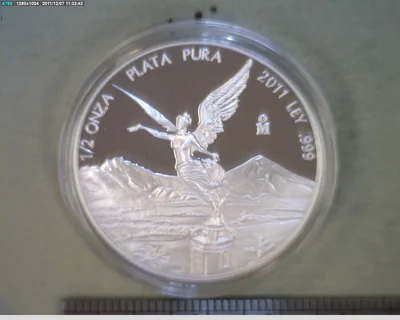
The Onza Libertad is Mexico's official silver bullion and collector coin, produced by the Banco de México (the country's central bank, "Banxico" for short). The design shows the Winged Victory statue on the obverse and the national coat of arms on the reverse. "Onza" means ounce, and this piece is a 1/2 onza, a half-ounce fractional. Learn more about the full Onza Libertad series.
What makes the 2010 Proof worth checking
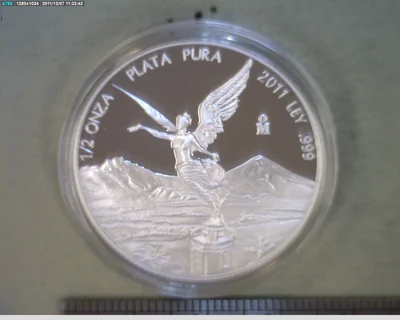
Two things drive value here. First, the low mintage: only 5,000 pieces were struck. That is genuinely scarce for a modern silver coin, and it puts this piece well above the common bullion Libertads that were minted by the hundreds of thousands. Second, the Proof finish: mirror-like fields and frosted, matte relief. A Proof coin is struck with polished dies on special blanks for collectors, not for circulation, so surface quality matters a lot to buyers.
Proof coins are fragile. Fingerprints, hairline scratches, and haze cut the price fast. The value gap between a flawless certified example and a mishandled one is large.
Specifications
| Spec | Detail |
|---|---|
| Denomination | 1/2 onza (half ounce) |
| Year | 2010 |
| Weight | 19.28 grams |
| Diameter | 36.54 mm |
| Metal | Silver .999 (fine silver) |
| Edge | Reeded |
| Finish | Proof |
| Mintage | 5,000 pieces |
| Issuer | Banco de México (Banxico) |
What it's worth in USD
The half-ounce contains 0.5 troy ounces of pure silver, so its melt value is roughly half the current silver spot price. That is the floor. The Proof and the low mintage add a collector premium on top.
Exact figures move with two things: the grade of your specific coin and the silver spot price on the day you sell. As a working range:
- Damaged, cleaned, or heavily handled: near melt value, a small premium at most.
- Nice raw Proof with original Banxico packaging: a solid multiple over melt, driven by the 5,000 mintage.
- Certified in top Proof grade (PF69 or PF70 from NGC or PCGS): the strongest prices, well into the hundreds of dollars for the finest examples, because collectors chase registry-quality coins.
We avoid quoting one fixed number because silver moves daily and grade changes everything. Check the current spot price, then add the collector premium for a certified low-mintage Proof.
Original packaging matters
This coin was sold by Banxico in a sealed capsule or blister. If you still have the original packaging and any certificate, keep the coin inside it. Buyers pay more for a complete, untouched set, and opening it risks scratches that lower the grade.
How to tell if yours is genuine
Start with weight and diameter. Use a jewelry scale and a caliper and compare against the table above: 19.28 grams and 36.54 mm. Fakes often miss on weight, diameter, or both. Watch for flat, mushy relief where a real Proof has sharp frosted detail, and for mirror fields that look dull or grainy.
Silver is non-magnetic, so a coin that sticks to a magnet is fake. Be suspicious of any offer priced far below the silver melt value, that is the classic sign of a counterfeit or a plated fake. For a coin worth a real premium, professional grading by NGC or PCGS both authenticates and grades it in one step, which is the safest route before a big sale.
How to grade your coin
Proof coins use a numeric scale (PF60 to PF70). The difference between PF69 and PF70 can double the price for a low-mintage issue like this one. Compare your coin's fields and frost carefully, and read the Mexican coin grading guide before you decide whether certification is worth the cost. As a rule, certifying makes sense when the coin is clearly high grade and the packaging is intact.
Where to sell it
The safest options are a verified numismatic dealer from the Pesoteca shop directory, who can appraise it on the spot, or the collector buy-and-sell forum where you deal directly with other collectors. Photograph the obverse, reverse, and edge in good light, note whether you have the original Banxico packaging, and check the melt value plus premium before you accept an offer. Do not dump it to the first bidder on social media.
Think you have a striking error or a variety? Most "errors" circulating online are post-mint damage, not factory mistakes. Post clear photos in the Pesoteca forum and let the community weigh in before you assume it adds value.
Have a 2010 half-ounce Libertad Proof sitting in a drawer? Share photos of the coin and its packaging in our forum and we'll help you pin down the grade and a fair price.
Historical context
1/2 troy ounce silver Libertad 2010 Proof
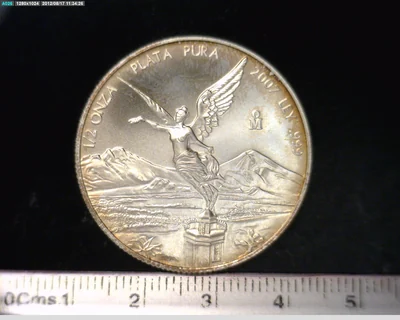
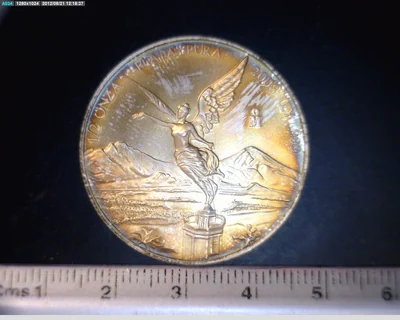
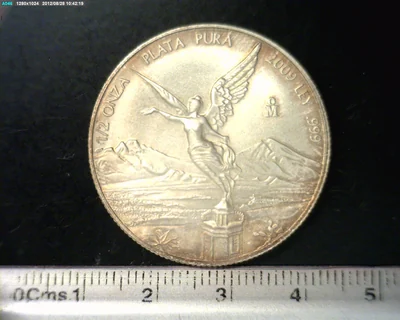
This piece is the 1/2 troy ounce silver Onza Libertad, struck by the Mexican Mint in 2010 in its Proof version.
Technical details. It contains 15.55 g of pure silver at .999 fineness and measures 33 mm in diameter. The reverse bears the effigy of the Angel of Independence, adopted by Banxico as the official symbol of the series since 1981. The obverse shows the National Coat of Arms in its pre-1969 version, together with other historical coats of arms as an identity marker of the family.
Role within the set. It is the upper intermediate fraction. It weighs exactly half of the flagship piece and is usually struck in smaller mintages than the full ounce, which gives it a profile of relative scarcity within the year's set.
Context of the year. In 2010 Felipe Calderón Hinojosa was in office. A double national anniversary: the Bicentennial of the start of Independence and the Centennial of the start of the Mexican Revolution. Silver closed at 30.63 USD per troy ounce.
Proof finish. The Proof finish, also known as mirror, is achieved by polishing the dies to a specular shine on the fields, while the relief is frosted by micro-sandblasting. The piece comes off the press ready for display: it isn't exposed to open air or handled without gloves. Banxico delivers it in a sealed plastic capsule with an individually numbered certificate of authenticity. The Proof mintage is always far lower than the regular finish of the same year, and its secondary-market price is usually between 40% and 80% above the equivalent BU version.
Mintage. Banxico reported in its official tables a mintage of 2,609 pieces for this combination of fraction, year, and finish. That number is the basis for measuring the piece's relative scarcity within the program.
This piece belongs to the era
Nuevos Pesos y actualidad →Explore all the Mexican coins of this era, their historical context and how they connect to the monetary system of the period.
Value range of this piece
Market estimate: $651 - $713 MXN depending on the grade of preservation (typical range between a circulated and an uncirculated piece).
See the full breakdown by grade (VG, F, VF, EF, AU, MS-60, MS-63, MS-65) for the whole series →
Other denominations from 2010
Onza Libertad · Plata 0.999
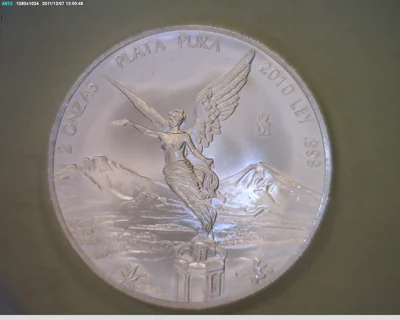
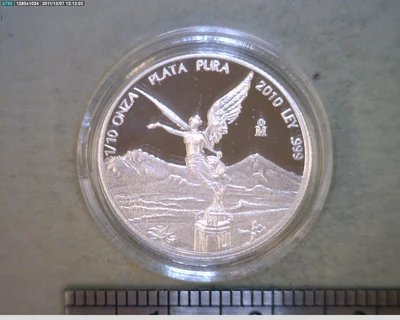
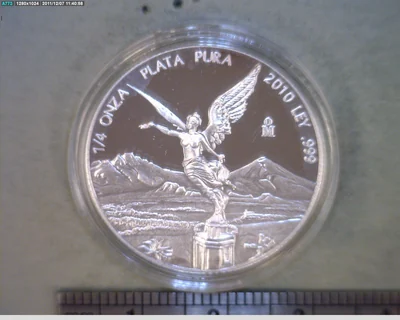
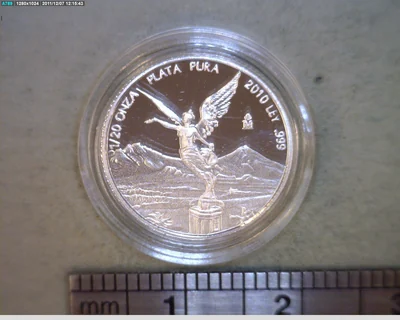
Same denomination, other years
1/2 onza Plata 0.999 · Onza Libertad
Frequently asked questions
How much is the 2010 1/2 oz Silver Libertad Proof worth?
It is worth more than its silver melt value because only 5,000 were minted. A damaged or cleaned piece stays near melt (about half the silver spot price), while a certified top-grade Proof (PF69 or PF70) can reach into the hundreds of dollars. Check the current silver spot price and add the collector premium for this low-mintage Proof.
Is the 2010 1/2 oz Silver Libertad Proof rare?
Yes, for a modern silver coin. Only 5,000 pieces were struck with the Proof finish, which is scarce compared to common bullion Libertads minted in the hundreds of thousands. That low mintage is the main reason it carries a premium over its silver content.
Where can I sell my 2010 Silver Libertad Proof?
The safest options are a verified dealer from the Pesoteca shop directory, who can appraise it in person, or the Pesoteca collector buy-and-sell forum. Photograph the obverse, reverse, and edge, keep any original Banxico packaging, and check the melt value plus premium before accepting an offer. Avoid selling to the first bidder on social media.
How do I tell if my Silver Libertad Proof is genuine?
Weigh and measure it: a real piece is 19.28 grams and 36.54 mm. Silver is non-magnetic, so a coin that sticks to a magnet is fake. Look for sharp frosted relief and clean mirror fields; flat detail or dull surfaces suggest a counterfeit. Any offer far below silver melt value is a red flag. For high-value examples, professional grading by NGC or PCGS confirms authenticity.
Conversation
0 comments
Sources
Images for informational and educational purposes, attributed to their original source. Reference values; the real price depends on the grade, the specific variant and demand.
Loading comments…