
1/20 oz Silver Libertad 2011 Proof: Value & Prices
The 1/20 oz Silver Libertad 2011 Proof: Value & Prices is worth between $89 and $97 MXN depending on its grade of preservation.
Prices updated: August 2026
Proof.
Proof.
Design
Banxico
Obverse
Proof.
The 1/20 oz Silver Libertad 2011 Proof: Value & Prices is worth between $89 and $97 MXN depending on its grade of preservation.
Prices updated: August 2026
How much is the 1/20 onza 1/20 oz Silver Libertad 2011 Proof: Value & Prices worth?
The estimated value of the 1/20 onza 1/20 oz Silver Libertad 2011 Proof: Value & Prices ranges from $89 (circulated, XF) up to $97 (official blister pack), with $94 as a reference for an uncirculated (UNC) piece. The estimate is based on the official mintage and the historical behavior of the family.
The real price depends on four factors: the grade of preservation (a circulated piece is worth the low end of the range; an uncirculated one, or one still in its official blister pack, the high end), the finish (satin vs mirror/proof), the rarity within the series based on the mintage, and the metal spot price on the day of the deal when the piece is silver or gold. Check the value-by-grade table above and compare with equivalent pieces before buying or selling.
Where to buy or sell this coin?
Browse the national directory of numismatic shops or the community forum to trade directly with other collectors.
Description
If you inherited or found a 1/20 oz Silver Libertad 2011 Proof, the short answer is: it's worth more than its tiny silver content because only 10,000 were minted. In 2026, that low mintage plus the proof finish is what collectors actually pay for, not the metal alone.
This is one of the smallest coins in Mexico's Onza Libertad series, the country's flagship silver bullion and collector line. "Onza Libertad" translates to "Liberty Ounce." The full one-ounce version is common; the fractional sizes like this 1/20 oz are struck in far smaller numbers, which is where the collector premium comes from.
What it actually is
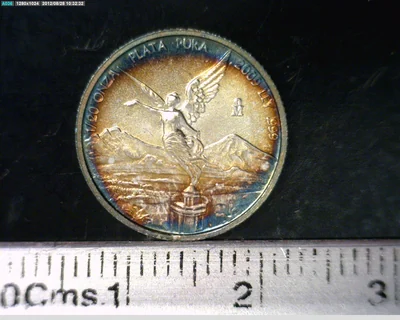
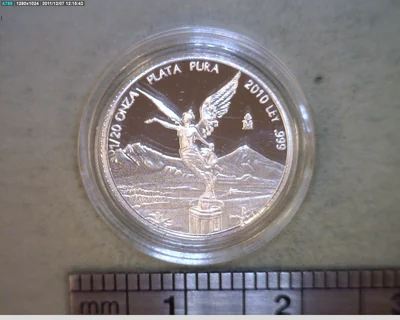
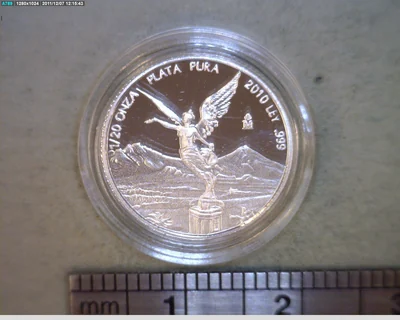
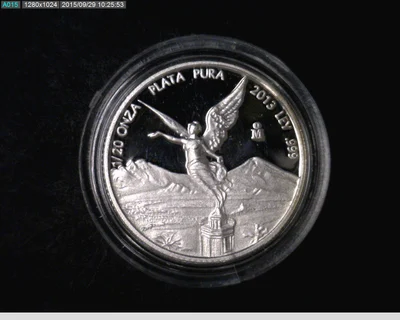
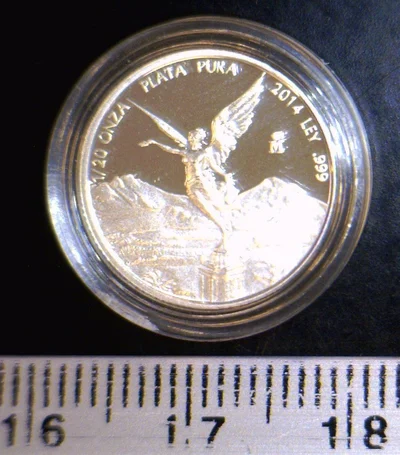
A proof coin is a special collector strike with mirror-like fields and frosted raised designs. It is not a circulating coin. Banxico (Mexico's central bank) sold these in sealed presentation packaging to collectors, not for everyday use.
Specifications you can verify at home:
| Feature | Detail |
|---|---|
| Denomination | 1/20 troy ounce |
| Year | 2011 |
| Weight | 2.63 grams |
| Diameter | 19.49 mm |
| Metal | Silver .999 fine |
| Edge | Reeded |
| Finish | Proof |
| Official mintage | 10,000 pieces |
How much is it worth in USD
Value rests on three things: the silver content (a price floor), the low 10,000 mintage, and condition. At 2.63 grams of .999 silver, the raw melt value is only a fraction of a troy ounce, so metal alone puts the floor at a few dollars. The collector premium is what matters here.
Because of the small mintage and proof finish, a genuine example in its original Banxico packaging typically trades well above melt. Expect a range roughly from 20 to 60 dollars for a nice proof with packaging, and more for a top-graded, certified example (NGC or PCGS PF69 to PF70). A loose, spotted, or mishandled proof pulls toward the lower end.
Proof silver is easy to damage. Fingerprints, milk spots, and hairline scratches drop the grade fast, and grade is most of the price on a coin like this. Handle it by the edge, keep it in its holder, and do not clean it. Cleaning destroys value.
The live figure moves with the silver spot price at the time of sale, the presence of the original Banxico blister pack, and the certified grade. Check the Mexican coin grading guide to place your piece before you buy or sell.
The myth to ignore
A small silver coin with mirror fields looks impressive, and sellers online sometimes price these as if they were rare treasures worth hundreds. They are not. Ten thousand pieces is low, but not vanishingly rare, and the coin is modern. If you see one listed for a few hundred dollars, that is optimism, not the market. The honest ceiling for most examples sits in the low double digits, with certified PF70s being the exception that reach higher.
How to tell if yours is genuine
Weigh it on a jewelry scale and measure the diameter with calipers. A real one weighs 2.63 grams and measures 19.49 mm. Fakes usually miss the weight or diameter, show flat, mushy relief, or dull fields where a proof should mirror. Silver .999 has a distinct bright tone; brassy or gray color is a red flag. Be suspicious of any offer priced below the value of the silver itself, and check both the obverse (front) and reverse (back) against reference photos.
For certainty, a coin certified by NGC or PCGS removes the guesswork, and the grade on the holder tells you where it sits in the value range.
Where to sell or buy it
To sell, the safest routes are a verified numismatic shop from the Pesoteca directory, which can appraise it on the spot, or the buy-and-sell forum where collectors trade directly. Photograph the obverse, reverse, and edge, and compare against the price range above before you accept an offer. Do not dump it to the first bidder on social media.
To buy, use the same verified sources. Since this is a precious-metal coin, only deal with sellers who show the piece and its weight, and confirm authenticity before you pay.
Historical context
1/20 troy ounce Libertad silver 2011 Proof
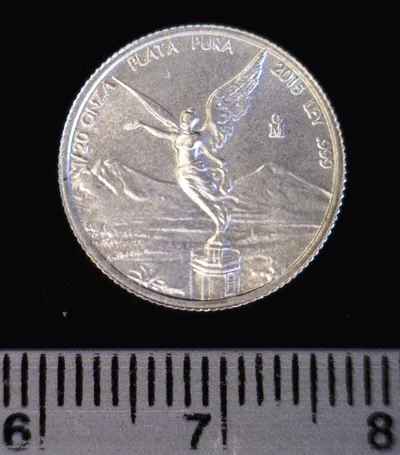
This piece is the 1/20 troy ounce silver Onza Libertad, struck by the Mexican Mint in 2011 in its Proof version.
Technical specs. It contains 1.55 g of pure silver at .999 fineness and measures 16 mm in diameter. On the reverse it bears the effigy of the Angel of Independence, adopted by Banxico as the official symbol of the series since 1981. On the obverse appears the National Coat of Arms in its pre-1969 version, along with other historical coats of arms as a family identity mark.
Role within the set. It is the smallest fraction of the set. It serves as an entry piece, gift, or first contact with the series: it costs little per example but carries the highest premium in the family over the value of the silver it contains, because the die cost is spread across fewer grams.
Context of the year. In 2011 Felipe Calderón Hinojosa was in office. Silver reached an intraday high near 49 USD per troy ounce in April, close to the 1980 Hunt historical record. It closed the year at 28.18 USD.
Proof finish. The Proof finish, also known as mirror, is achieved by polishing the dies to a specular shine in the fields, while the reliefs are frosted by micro-blasting. The piece comes off the press ready for display: it is not touched with bare hands or handled without gloves. Banxico delivers it in a sealed plastic capsule with an individually numbered certificate of authenticity. The Proof mintage is always far lower than that of the regular finish of the same year, and its price on the secondary market is usually between 40% and 80% above the equivalent BU version.
Mintage. Banxico reported in its official tables a minting of 5,298 pieces for this combination of fraction, year, and finish. That number is the basis for measuring the relative scarcity of the piece within the program.
This piece belongs to the era
Nuevos Pesos y actualidad →Explore all the Mexican coins of this era, their historical context and how they connect to the monetary system of the period.
Value range of this piece
Market estimate: $89 - $97 MXN depending on the grade of preservation (typical range between a circulated and an uncirculated piece).
See the full breakdown by grade (VG, F, VF, EF, AU, MS-60, MS-63, MS-65) for the whole series →
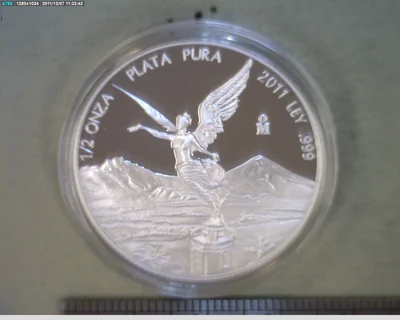
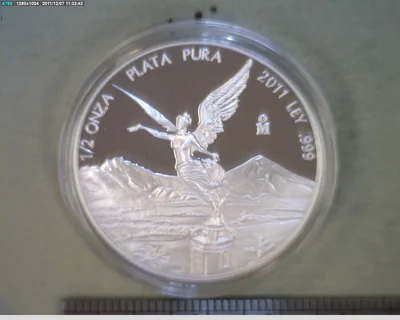
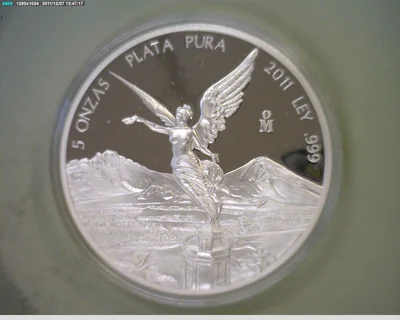
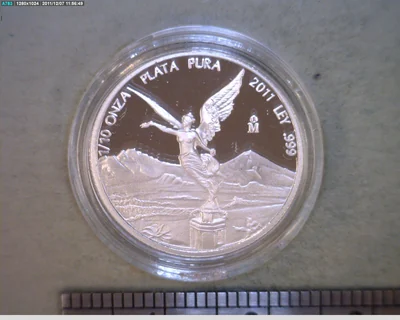
Other denominations from 2011
Onza Libertad · Plata 0.999
Same denomination, other years
1/20 onza Plata 0.999 · Onza Libertad
Frequently asked questions
How much is a 1/20 oz Silver Libertad 2011 Proof worth?
The silver content sets a floor of only a few dollars, but the low 10,000 mintage and proof finish push a genuine example with original Banxico packaging to roughly 20 to 60 USD. Certified top grades (NGC or PCGS PF69 to PF70) sell for more. The exact figure depends on grade, packaging, and the silver spot price at sale time.
Is the 1/20 oz Silver Libertad 2011 Proof rare?
It's scarce but not extremely rare. Only 10,000 were minted, which is low for a modern coin, so it carries a collector premium over its silver value. It is not a treasure worth hundreds, despite optimistic online listings. Certified PF70 examples are the ones that reach the higher prices.
Where can I sell my 1/20 oz Silver Libertad 2011 Proof?
The safest options are a verified shop from the [Pesoteca directory](/tiendas), which appraises it on the spot, or the [buy-and-sell forum](/foro/compra-venta) among collectors. Photograph the obverse, reverse, and edge, and check the price range on this page before selling. Avoid rushing a sale to the first bidder on social media.
How can I tell if my 1/20 oz Silver Libertad 2011 Proof is genuine?
Weigh it (should be 2.63 grams) and measure the diameter (19.49 mm) with a jewelry scale and calipers. Fakes usually have the wrong weight or diameter, flat relief, or dull fields instead of the mirror finish a proof should show. Be wary of any price below the silver's value. For certainty, buy pieces certified by NGC or PCGS.
Conversation
0 comments
Sources
Images for informational and educational purposes, attributed to their original source. Reference values; the real price depends on the grade, the specific variant and demand.
Loading comments…