
Mexico 20 Centavos 2005 (Aluminum-Bronze): Value Guide
Prices updated: August 2026
Centavos aluminum bronze 2005.
Centavos aluminum bronze 2005.
Design
Banxico
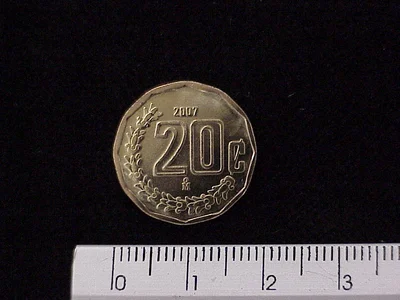
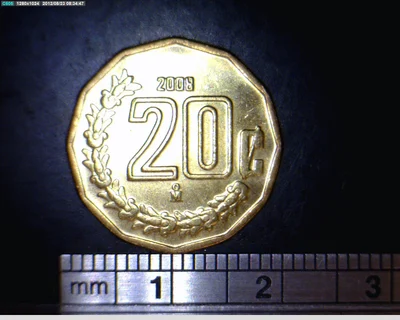
Reverse
Reverse of the 20 Aluminum Bronze 2005 piece. Detail of the die cataloged by Banxico in its Numismatic Collection.
Obverse
Obverse with the Mexican National Coat of Arms and the legend "ESTADOS UNIDOS MEXICANOS" per official convention. Struck by the Mexican Mint under a Banxico decree.
How much is the Mexico 20 Centavos 2005 (Aluminum-Bronze): Value Guide worth?
The market value of the Mexico 20 Centavos 2005 (Aluminum-Bronze): Value Guide is not yet documented with enough data to give a firm range. Weigh and measure your piece, compare it against the specifications, and check the forum for a second opinion.
The real price depends on four factors: the grade of preservation (a circulated piece is worth the low end of the range; an uncirculated one, or one still in its official blister pack, the high end), the finish (satin vs mirror/proof), the rarity within the series based on the mintage, and the metal spot price on the day of the deal when the piece is silver or gold. Check the value-by-grade table above and compare with equivalent pieces before buying or selling.
Where to buy or sell this coin?
Browse the national directory of numismatic shops or the community forum to trade directly with other collectors.
Description
If you found a small, gold-colored Mexican coin marked "20 Centavos" and dated 2005, here is the honest answer: it is worth face value, essentially a few US cents, in circulated condition. The gold color fools people, but it is not gold. It is aluminum-bronze, a cheap alloy. Only a flawless uncirculated example carries a small premium, and even then we are talking about a dollar or two, not a fortune.
What you actually have
The 20 centavos of 2005 is a low-denomination Mexican coin from the modern peso system. "Centavos" are the fractional units of the Mexican peso, the same way cents work with the US dollar. Twenty centavos equals one fifth of a peso, so at current exchange rates the face value is roughly one US cent.
The coin was struck by the Casa de Moneda de México (the Mexican Mint) after the 1992 monetary reform, when Mexico dropped three zeros from its currency and returned to calling it simply the peso. The gold tone that catches your eye comes from the alloy, not from precious metal.
Here are the exact specs so you can identify and verify it:
| Specification | Detail |
|---|---|
| Denomination | 20 centavos |
| Year | 2005 |
| Metal | Aluminum-bronze (gold-colored alloy) |
| Weight | 3.04 g |
| Diameter | 19.5 mm |
| Edge | Smooth (plain) |
| Design | National coat of arms with eagle on the reverse |
How much is the 20 centavos 2005 worth?
The short version: value depends entirely on condition, and even the best examples stay modest.
- Circulated (worn, spotted, used): face value, a few US cents. No collector premium.
- Uncirculated (full mint luster, no spots, sharp relief): a small premium, generally under 2 US dollars.
This is not a rare date. The mint produced these in normal circulation quantities, and millions passed through people's pockets. What makes any example worth more than face is preservation, not scarcity. Because almost nobody set these aside carefully, a genuinely uncirculated piece with intact striking luster is harder to find than the mintage suggests, but it still is not a valuable coin.
Do not confuse this with older, larger, silver Mexican coins. If you are sorting an inheritance, the pieces worth real money are the silver and gold issues, not modern centavos.
The "it looks like gold" myth
The single most common question about this coin is whether the gold color means it is gold. It is not. Aluminum-bronze is an inexpensive alloy chosen precisely because it is cheap and durable for small-change coins. A magnet test won't help (it isn't magnetic either way), but the weight will: real gold of this size would be far heavier. At 3.04 grams and 19.5 mm, this is a base-metal coin and always has been.
What about error coins?
Strike errors, such as off-center strikes, die rotation, or double strikes, can multiply the value of a coin if they are genuine and verifiable. Be skeptical. The vast majority of "errors" people post online are post-mint damage: dings, corrosion, or wear, not factory mistakes. If you think you have a real error, get it reviewed before assuming it is worth anything.
How to check what yours is worth
- Confirm it is genuine. Weigh it on a jewelry scale (should read 3.04 g) and measure the diameter with calipers (19.5 mm). Fakes and altered pieces often show wrong weight, wrong size, flat relief, or off colors.
- Grade the condition honestly. Look for full mint luster, sharp details, and no spotting from the alloy. That is what separates a face-value coin from a modest premium.
- Compare, then decide. Photograph the obverse, reverse, and edge before you sell anything.
Where to sell it
For a coin at this value level, don't overthink it. A verified numismatic shop from the Pesoteca directory can appraise it on the spot, or you can post it in the Pesoteca buy-and-sell forum among collectors. If you have a whole box of Mexican coins, the smart move is to have the entire lot looked at, since the value is almost always in a few older pieces, not the modern centavos.
Got a jar of these or something older mixed in? Post clear photos of the front, back, and edge in the Pesoteca forum and let the community tell you which pieces actually matter.
Historical context
Context of the twenty centavos piece from the year 2005
This twenty centavos coin (KM#548) was struck by the Mexican Mint in 2005, under the presidency of Vicente Fox Quesada. It is part of the family of circulating coins in bronze and aluminum with nickel alloy that Banxico issued between 1992 and 2009, with 19.5 mm in diameter and 2.26 g in weight.
The year in Mexico. It is the year the Federal Law of Transparency and Access to Public Information was effectively established, with the IFAI resolving thousands of citizen appeals. Inflation closed at 3.33%, one of the lowest levels of the decade. That year, according to INEGI's INPC, annual inflation closed at 3.33% and the Bank of Mexico's FIX exchange rate closed the year at 10.63 pesos per dollar.
How it circulated. In 2005 these pieces circulated with price stability. The Metro fare was still 2 pesos and these coins were common change. They also served for exact payments in soda and candy vending machines in offices.
Numismatic note. The 2005 die is within the long cycle of abundant strikes of the Fox term. Collectors usually find it easily in change received in commerce. The obverse design is Banxico's official National Coat of Arms and the reverse shows the face value alongside the year of minting. Between years the design stays identical and only the engraved date changes, so the visible difference is minimal. Internal die variations, when they exist, are documented in the Bank of Mexico catalog.
This piece belongs to the era
Nuevos Pesos y actualidad →Explore all the Mexican coins of this era, their historical context and how they connect to the monetary system of the period.
Value range of this piece
Value range without enough data for this piece.
See the full breakdown by grade (VG, F, VF, EF, AU, MS-60, MS-63, MS-65) for the whole series →
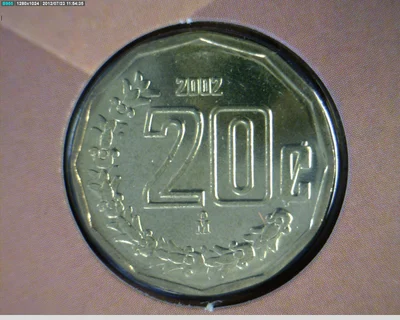
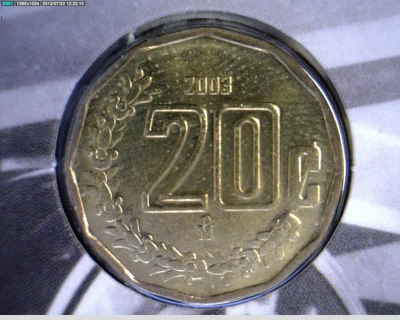
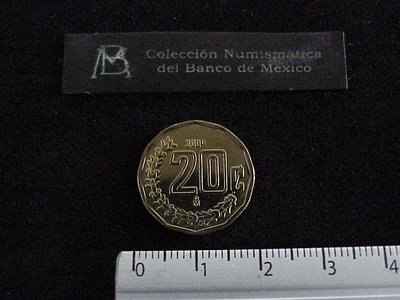
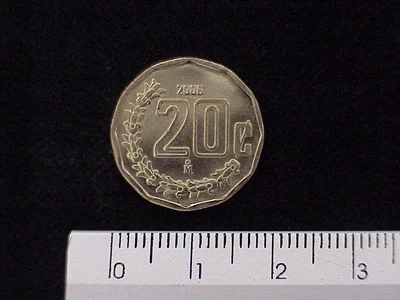
Same denomination, other years
20 centavos Aluminio-bronce · 20 Centavos Bronce Aluminio
Frequently asked questions
How much is a Mexico 20 centavos 2005 coin worth?
In circulated condition it is worth face value, roughly one US cent. A genuinely uncirculated example with full mint luster and no spotting carries a small premium, generally under 2 US dollars. It is not a rare or valuable coin despite its gold color.
Is the gold-colored 20 centavos 2005 actually gold?
No. The gold tone comes from aluminum-bronze, a cheap base-metal alloy used for small-change coins. It weighs 3.04 grams and measures 19.5 mm. Real gold of that size would be much heavier. There is no precious metal in this coin.
Where can I sell my Mexico 20 centavos 2005?
The safest options are a verified numismatic shop from the Pesoteca directory, which can appraise it instantly, or the Pesoteca buy-and-sell forum among collectors. Photograph the obverse, reverse, and edge first. For a coin this modest, don't expect more than face value unless it is a flawless uncirculated example.
How can I tell if my 20 centavos 2005 is genuine?
Weigh it on a jewelry scale (it should read 3.04 g) and measure the diameter with calipers (19.5 mm). Counterfeits and altered coins often show incorrect weight or size, flat relief, or uneven coloring. If measurements match the specs, it is almost certainly genuine.
Conversation
0 comments
Loading comments…