
8 Reales Carlos II 1676 (Cob): Value & How to Sell
The 8 Reales Carlos II 1676 : Value & How to Sell is worth between $736 and $4,650 MXN depending on its grade of preservation.
Prices updated: August 2026
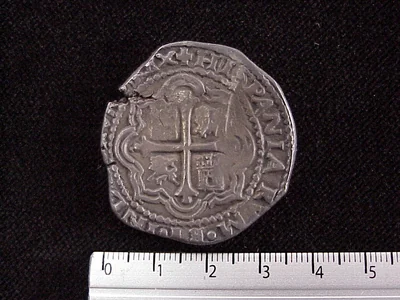
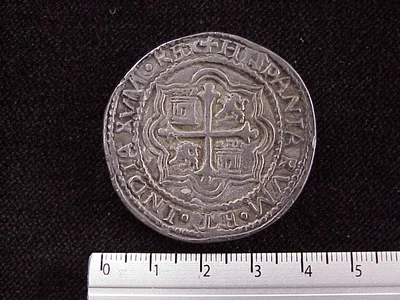
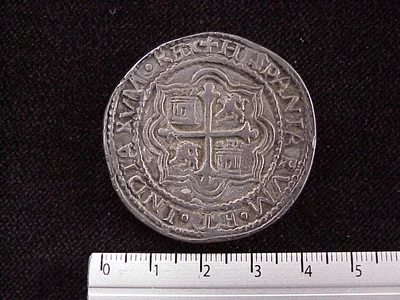
Double punch in obverse legend "G"
Double punch in obverse legend "G"
The 8 Reales Carlos II 1676 : Value & How to Sell is worth between $736 and $4,650 MXN depending on its grade of preservation.
Prices updated: August 2026
How much is the 8 Reales Carlos II 1676 (Cob): Value & How to Sell worth?
The estimated value of the 8 Reales Carlos II 1676 (Cob): Value & How to Sell ranges from $736 (circulated, XF) up to $4,650 (official blister pack), with $3,227 as a reference for an uncirculated (UNC) piece. The estimate is based on the official mintage and the historical behavior of the family.
The real price depends on four factors: the grade of preservation (a circulated piece is worth the low end of the range; an uncirculated one, or one still in its official blister pack, the high end), the finish (satin vs mirror/proof), the rarity within the series based on the mintage, and the metal spot price on the day of the deal when the piece is silver or gold. Check the value-by-grade table above and compare with equivalent pieces before buying or selling.
Where to buy or sell this coin?
Browse the national directory of numismatic shops or the community forum to trade directly with other collectors.
Description
If you inherited an old, irregular Spanish-American silver coin dated 1676, you may have a genuine piece of colonial money. A Mexico City 8 Reales of Carlos II is real silver with a floor value tied to metal, and depending on strike, date clarity, and grade it can run from a few hundred dollars to several thousand USD. Here is what it actually is and how to find out what yours is worth in 2026.
What you actually have
The 8 Reales was the workhorse silver coin of the Spanish Empire, the original "piece of eight" that circulated worldwide for centuries. The Mexico City mint (Casa de Moneda de México) was the largest producer of these coins on earth.
Your specific piece:
- Ruler: Carlos II of Spain (reigned 1665 to 1700)
- Date: 1676
- Mint: Mexico City
- Assayer initial: G (the official who certified the silver fineness)
- Metal: silver, 0.900 fine
- Weight: 26.75 g
- Diameter: 39 mm
- Edge: plain (no lettering or milling)
- Catalog reference: KM 251
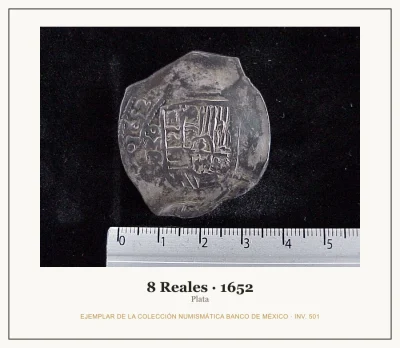
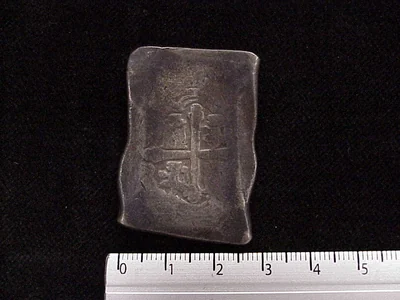
Most coins of this era from Mexico are cobs: hand-struck pieces cut from a silver bar, so they are irregular in shape and rarely fully round or fully struck. A crude, lumpy, off-center look is normal and does not mean yours is fake or damaged. That irregularity is the signature of the type.
Is it rare, and what is it worth?
Honest answer: an 8 Reales cob of Carlos II is a collectible coin, not a lottery ticket. Millions of 8 Reales were struck across the colonial period, so age alone does not make it valuable. What drives price is how much of the design survived the crude striking, whether the date and assayer are readable, the amount of wear, and whether it has been damaged, cleaned, or salvaged from a shipwreck.
Because it is 0.900 silver at 26.75 g, it has a melt floor: even a heavily worn, damaged example is worth its silver content, typically in the low tens of dollars. A collectible example sits well above that.
| Condition | What it looks like | Typical value (USD) |
|---|---|---|
| Cull / heavily worn / holed / cleaned | Date or assayer unreadable, damage | Melt value to about 75 |
| Circulated, identifiable | Date and mint partly clear, honest wear | 150 to 500 |
| Well-struck, clear date and cross/shield | Strong detail for a cob | 600 to 2,000 |
| High grade, choice, certified | Full legends, sharp devices, NGC/PCGS graded | 2,000 to 6,000+ |
These are ranges, not a guaranteed quote. Cobs vary wildly piece to piece even within the same year, so two 1676 coins can be worth ten times different amounts. A certified example with a clear date always sells for a strong premium over a raw, muddy one.
The myth: "it's from the 1600s so it's worth a fortune"
This is the belief that costs people money in both directions. Being nearly 350 years old sounds like it should mean thousands of dollars automatically. It does not. Colonial 8 Reales were produced in enormous numbers and many survive, so a worn, common-date example is a modest collectible worth a few hundred dollars, not a museum treasure.
The flip side matters too: because it is genuine silver with real collector demand, do not let anyone talk you into selling it for scrap. A pawn shop or gold buyer may only offer melt value. That is throwing away the collector premium.
How to tell if yours is genuine
Counterfeits and modern cast copies of Spanish colonial silver are common. Check these before you do anything else:
- Weight and diameter. Use a jeweler's scale and calipers. A genuine full-weight coin is close to 26.75 g and 39 mm. A cob that has been clipped or shaved will weigh less; a coin that weighs far more or has a seam is likely a cast fake.
- The metal. Real silver does not stick to a magnet. A coin that responds to a magnet is not silver.
- The look of the strike. Genuine cobs show hand-hammered, uneven detail on a hard silver flan. Cast copies often look soft, grainy, or have a visible casting seam on the edge.
- Date, mint mark, and assayer. Colonial specialists read the mint (Mexico) and assayer (G) to confirm the type. If those details do not match known records for 1676, be cautious.
Anything offered far below the silver value is a warning sign, not a bargain. If you are unsure, post clear photos of the front, back, and edge in the Pesoteca forum and let collectors weigh in before you buy or sell.
Does mine have a valuable error?
Genuine mint errors (major off-center strikes, double strikes, die rotation) can raise value on some coins. But with cobs, irregularity is normal, so most "errors" people spot are just the standard crude striking or post-mint damage like corrosion and old scratches, which lower value rather than raise it. If you think you have a true error, get a second opinion before assuming it is worth more.
Where to sell it
To get a fair price:
- A verified numismatic shop from the Pesoteca dealer directory can appraise it on the spot. Insist they weigh the piece in front of you.
- The Pesoteca buy-and-sell forum (foro de compra-venta) puts you in front of collectors who understand cobs and pay for grade.
- For a high-grade or clearly readable example, consider grading it with NGC or PCGS first. A certified 8 Reales sells for far more than a raw one, and certification settles the authenticity question.
Photograph the coin (front, back, and edge) and check the ranges above before you accept any offer. Do not dump it to the first Facebook buyer or a gold-melt shop.
Have a colonial 8 Reales sitting in a drawer and want to know what year and grade you actually have? Post your photos in the Pesoteca forum and get a read from people who buy these every week.
Historical context
This piece belongs to the reign of Charles II of Spain (1665-1700). The last Habsburg king in Spain. His death without heirs triggered the War of the Spanish Succession (1701-1714).
The government of New Spain in 1676 was in the hands of Fray Payo Enriquez de Rivera, archbishop and viceroy, a promoter of public works.
The numismatic type of the piece is the cob (macuquina), also called hammer-cut coin. The blanks were shear-cut from a silver bar and struck between hand dies, so no cob has an edge or a perfectly circular shape. It circulated as the benchmark trade coin throughout the Atlantic for more than two centuries.
The Mexico mint (crowned Mo mark) operated from 1535 as the first mint in the Americas. Throughout the 17th century it struck cobs almost without interruption, being the main issuing point of struck silver in the Spanish empire. The dies were signed by the Mexico mint assayer active in the period, the official charged by the Royal Treasury with certifying that the silver fineness met the viceregal standard.
Colonial catalogs track this piece within the families of the Mexico Real de a ocho, with prices that respond to rarity by year and assayer signature.
A year in which Fray Payo Enriquez de Rivera held together the dignities of archbishop and viceroy of New Spain.
This piece belongs to the era
Colonial / Virreinato →Explore all the Mexican coins of this era, their historical context and how they connect to the monetary system of the period.
Value range of this piece
Market estimate: $736 - $4,650 MXN depending on the grade of preservation (typical range between a circulated and an uncirculated piece).
See the full breakdown by grade (VG, F, VF, EF, AU, MS-60, MS-63, MS-65) for the whole series →
Other denominations from 1676
8 Reales Coloniales · Plata 0.900
Same denomination, other years
8 reales Plata 0.900 · 8 Reales Coloniales
Frequently asked questions
How much is an 8 Reales Carlos II 1676 worth?
It depends heavily on grade and how much detail survived the crude striking. A worn or damaged example is worth roughly its silver melt value up to about 75 USD, an identifiable circulated coin runs 150 to 500 USD, and a well-struck or certified high-grade piece can bring 2,000 USD or more. As real 0.900 silver, it always has a floor at melt value.
Is the 8 Reales Carlos II 1676 rare?
Not rare in raw terms. The Mexico City mint produced enormous quantities of 8 Reales and many survive, so age alone does not make it valuable. What is scarce is a well-struck example with a clear date, mint mark, and assayer and minimal wear. Those clean, high-grade pieces command strong premiums.
Where can I sell an 8 Reales Carlos II 1676?
The safest options are a verified shop from the [Pesoteca dealer directory](/tiendas), which can appraise it in person, or the [Pesoteca buy-and-sell forum](/foro/compra-venta) among collectors. Photograph the front, back, and edge, and for a high-grade coin consider NGC or PCGS grading first, since certified examples sell for much more. Avoid selling to a gold-melt shop for scrap.
How do I know if my 8 Reales Carlos II 1676 is genuine?
Weigh it (about 26.75 g) and measure the diameter (about 39 mm) with a jeweler's scale and calipers. Real silver will not stick to a magnet, and genuine cobs show hand-hammered detail on a hard flan rather than a soft, grainy cast surface with an edge seam. Counterfeits are common, so post clear photos in the [Pesoteca forum](/foro) if you are unsure, and treat any offer far below silver value as a red flag.
Conversation
0 comments
Loading comments…