
1712 Mexico 8 Reales Felipe V: Value & Silver Content
The 1712 Mexico 8 Reales Felipe V: Value & Silver Content is worth between $741 and $3,118 MXN depending on its grade of preservation.
Prices updated: August 2026
Viceroyalty · Mexico City Mint
Viceroyalty · Mexico City Mint
The 1712 Mexico 8 Reales Felipe V: Value & Silver Content is worth between $741 and $3,118 MXN depending on its grade of preservation.
Prices updated: August 2026
How much is the 1712 Mexico 8 Reales Felipe V: Value & Silver Content worth?
The estimated value of the 1712 Mexico 8 Reales Felipe V: Value & Silver Content ranges from $741 (circulated, XF) up to $3,118 (official blister pack), with $2,254 as a reference for an uncirculated (UNC) piece. The estimate is based on the official mintage and the historical behavior of the family.
The real price depends on four factors: the grade of preservation (a circulated piece is worth the low end of the range; an uncirculated one, or one still in its official blister pack, the high end), the finish (satin vs mirror/proof), the rarity within the series based on the mintage, and the metal spot price on the day of the deal when the piece is silver or gold. Check the value-by-grade table above and compare with equivalent pieces before buying or selling.
Where to buy or sell this coin?
Browse the national directory of numismatic shops or the community forum to trade directly with other collectors.
Description
If you inherited a large, worn silver coin marked 8 R with a Spanish shield and a date around 1712, you're holding a real piece of colonial history. The good news: it's genuine silver with real collector demand. The honest news: most well-worn examples trade in the range of a few hundred dollars, not the fortune some listings claim. Exceptional, certified pieces are another story.
What this coin actually is
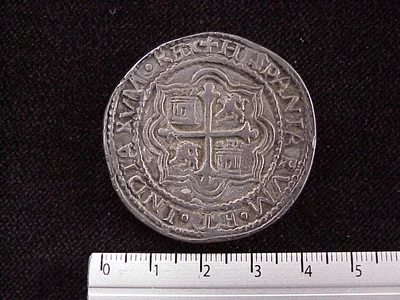
This is an 8 Reales ("ocho reales," the famous Spanish colonial "piece of eight") struck in 1712 under Felipe V, the first Bourbon king of Spain. It was minted at the Casa de Moneda de México (the Mexico City Mint), the oldest mint in the Americas, when Mexico was the colonial Viceroyalty of New Spain.
The 8 reales was the world's dominant trade coin for centuries. It circulated across the Americas, Europe, and Asia, and it's the direct ancestor of the US dollar. That global history is a big part of why collectors chase it today.
The specs (verify yours against these)
| Attribute | Specification |
|---|---|
| Denomination | 8 Reales |
| Year | 1712 (single-year issue for this type) |
| Ruler | Felipe V |
| Mint | Mexico City (Casa de Moneda de México) |
| Metal | Silver, .900 fine (90% silver) |
| Weight | 26.91 grams |
| Diameter | 37 mm |
| Edge | Plain (unmilled) |
| Era | Colonial / Viceroyalty of New Spain |
If your coin doesn't come close to 26.91 grams and 37 mm, treat it as suspect until proven otherwise. Weight and diameter are the first checkpoints for authenticity.
What it's worth in 2026
Here's the value-first answer most people want.
The silver floor. At .900 fineness and 26.91 grams, the coin contains roughly 0.78 troy ounces of pure silver. That gives it a hard bullion floor tied to the live silver spot price. No genuine example is worth less than its melt value, and that floor moves with the market.
Above the floor, grade drives everything. Colonial 8 reales from this era are almost always found heavily worn, and many are damaged, cleaned, or holed. Condition and eye appeal separate a common piece from a valuable one.
| Condition | Realistic range (USD) |
|---|---|
| Damaged, cleaned, holed, or well-worn | Bullion floor to about 200 |
| Solid circulated, honest wear, clean surfaces | 200 to 600 |
| Attractive high-grade circulated, certified | 600 to 2,000+ |
| Exceptional certified Mint State | Several thousand and up |
These ranges reflect what genuine early Mexico City 8 reales of Felipe V bring at established venues. A specific example depends on the exact type, the mint assayer, the die variety, and the grade assigned by a grading service. For a broader view of the family, see our overview of the Colonial 8 Reales series.
The myth: "a 300-year-old coin must be worth a fortune"
Age alone does not make a coin valuable. Millions of 8 reales were struck across the colonial period, and worn survivors are not rare. What actually moves the price is grade, real die rarity, and demand from collectors of Spanish colonial silver. A common, circulated 1712 in average shape is a genuine and interesting coin, but it is not a lottery ticket. Don't let a seller price a beat-up example like a museum piece.
The flip side: a sharp, original, certified example of the right variety genuinely can command several thousand dollars, because those survive in tiny numbers. That's where the real money in this series lives.
How to tell if yours is genuine
Colonial silver is one of the most heavily counterfeited areas in numismatics, so verify before you buy or sell.
- Weigh and measure it. Genuine specs are 26.91 grams and 37 mm. A digital scale that reads to 0.01 grams costs very little and settles most disputes.
- Check the metal. Real .900 silver has a specific look and feel. Cast fakes often show a grainy, soft surface and seams on the edge.
- The ping test. Balanced on a fingertip and tapped, real silver rings with a clear, sustained high tone. Base-metal fakes sound dull and short. This is a hint, not proof.
- Look for casting marks. Bubbles, mold seams, and mushy detail signal a cast counterfeit.
- When real money is on the line, get it certified. For any piece you think is worth more than a few hundred dollars, submission to NGC or PCGS is the definitive answer. A certified grade also raises what buyers will pay.
Before judging condition yourself, read our coin grading guide so you can place your piece in the right range.
Where to sell it
- A verified numismatic dealer. Browse the Pesoteca shop directory to find one who will appraise on the spot and pay fair market, without middleman markup.
- Collector to collector. The Pesoteca buy-and-sell forum connects you directly with people who want colonial silver.
- Auction, for the good ones. If your coin certifies in high grade, a specialist auction (Heritage, Stack's Bowers) will reach the buyers who pay top prices.
Whatever route you choose, photograph the obverse, reverse, and edge in good light, and confirm the weight before agreeing to anything. Don't dump a real silver coin on the first lowball offer in a Facebook group.
Have a 1712 8 reales, or a colonial piece you can't quite identify? Post clear photos of both sides and the edge in the Pesoteca forum and let collectors help you pin down the type and a fair value.
Historical context
This piece belongs to the reign of Felipe V I of Spain (1700-1746). First king of the House of Bourbon in Spain, grandson of Louis XIV of France. His first period of reign (1700-1724) ran until his abdication in favor of Luis I.
The government of New Spain in 1712 was in the hands of Fernando de Alencastre, Duke of Linares, promoting coastal defenses against English privateering.
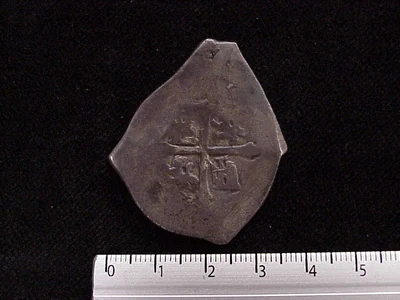
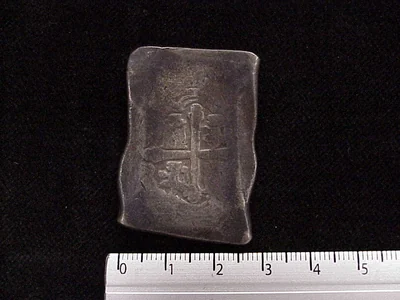
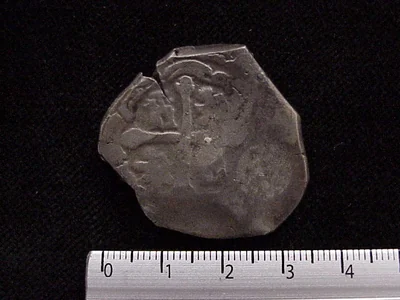
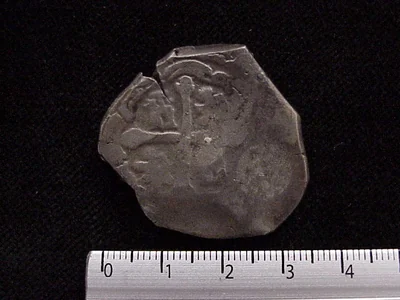
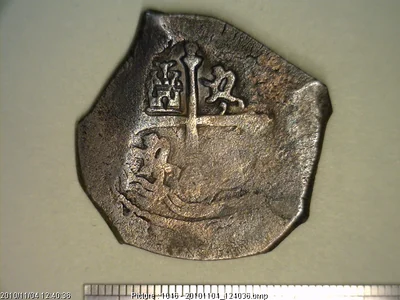
The numismatic type of the piece is a cob, also called a hammer-cut coin. The planchets were clipped with shears from a silver bar and struck between hand dies, so no cob has a proper edge or a perfectly circular shape. It circulated as a reference trade coin throughout the Atlantic for more than two centuries.
The Mexico City mint had been striking cobs almost uninterruptedly since the 16th century. The last years before the pillar (columnaria) reform of 1732 saw an increase in the volume of registered silver, pressed by European demand and by the mines of Zacatecas and Guanajuato. The dies were signed by the assayer of the Mexico City mint active in the period, an official charged by the Royal Treasury with certifying that the silver fineness met the viceregal standard.
The Krause catalog references this piece under KM#47, useful for cross-checking the entry against international auction listings.
A year in which the War of the Spanish Succession was moving toward its close with negotiations that would lead to the Treaty of Utrecht.
This piece belongs to the era
Colonial / Virreinato →Explore all the Mexican coins of this era, their historical context and how they connect to the monetary system of the period.
Value range of this piece
Market estimate: $741 - $3,118 MXN depending on the grade of preservation (typical range between a circulated and an uncirculated piece).
See the full breakdown by grade (VG, F, VF, EF, AU, MS-60, MS-63, MS-65) for the whole series →
Other denominations from 1712
8 Reales Coloniales · Plata 0.900
Same denomination, other years
8 reales Plata 0.900 · 8 Reales Coloniales
Frequently asked questions
How much is a 1712 Felipe V 8 Reales worth?
It depends heavily on condition. Worn, cleaned, or damaged examples trade from the silver bullion floor (roughly 0.78 troy ounces of pure silver) up to about 200 USD. Solid circulated coins run 200 to 600 USD, and attractive certified pieces reach 600 to several thousand USD. Grade and authenticity certification drive the price.
Is the 1712 Mexico 8 Reales rare?
Worn survivors are not rare; the 8 reales was struck in huge numbers as a world trade coin. What is rare is a genuine, well-preserved, certified example, and those command the highest prices. Age alone does not make it valuable. Real die varieties and high grade do.
How can I tell if my 1712 8 Reales is genuine?
Start with the specs: it should weigh 26.91 grams and measure 37 mm. Real .900 silver rings with a clear, sustained tone when tapped, while cast fakes sound dull and often show mold seams or bubbles. For any coin you believe is worth more than a few hundred dollars, submit it to NGC or PCGS for a definitive verdict.
Where can I sell a 1712 Felipe V 8 Reales?
Use a verified dealer from the [Pesoteca shop directory](/tiendas) for an on-the-spot appraisal, or the [Pesoteca buy-and-sell forum](/foro/compra-venta) to reach collectors directly. For high-grade certified pieces, a specialist auction house like Heritage or Stack's Bowers will reach buyers who pay the most. Always photograph both sides and the edge and confirm the weight first.
Conversation
0 comments
Sources
Images for informational and educational purposes, attributed to their original source. Reference values; the real price depends on the grade, the specific variant and demand.
Loading comments…