
8 Reales SUD Oaxaca, Cast Silver (1811-1814): Value Guide
The 8 Reales SUD Oaxaca, Cast Silver : Value Guide is worth between $729 and $3,071 MXN depending on its grade of preservation.
Prices updated: August 2026
Insurgents · Morelos · Cast silver · KM 234a / 235
Insurgents · Morelos · Cast silver · KM 234a / 235
Design
Banxico
Reverse
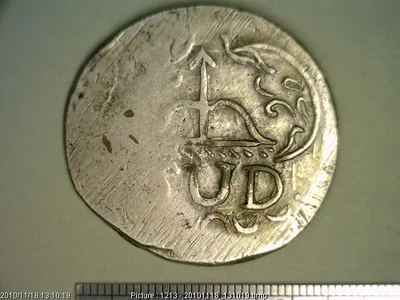
Monogram "SUD" amid ornamentation. Year of minting. The regional variants add the initials TC, OXA, or OAXACA depending on the issuing house. Some varieties bear later chop marks applied through circulation in Asia.
Obverse
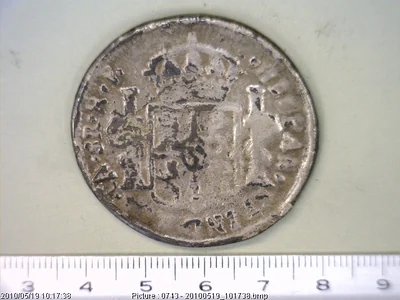
Bow, arrow, and stylized "M" monogram of Morelos. Inscription "AMÉRICA MORELOS" or a regional variant depending on the mint. Piece cast or struck depending on material (the copper versions are usually struck; the silver ones cast).
The 8 Reales SUD Oaxaca, Cast Silver : Value Guide is worth between $729 and $3,071 MXN depending on its grade of preservation.
Prices updated: August 2026
How much is the 8 Reales SUD Oaxaca, Cast Silver (1811-1814): Value Guide worth?
The estimated value of the 8 Reales SUD Oaxaca, Cast Silver (1811-1814): Value Guide ranges from $729 (circulated, XF) up to $3,071 (official blister pack), with $2,219 as a reference for an uncirculated (UNC) piece. The estimate is based on the official mintage and the historical behavior of the family.
The real price depends on four factors: the grade of preservation (a circulated piece is worth the low end of the range; an uncirculated one, or one still in its official blister pack, the high end), the finish (satin vs mirror/proof), the rarity within the series based on the mintage, and the metal spot price on the day of the deal when the piece is silver or gold. Check the value-by-grade table above and compare with equivalent pieces before buying or selling.
Where to buy or sell this coin?
Browse the national directory of numismatic shops or the community forum to trade directly with other collectors.
Description
Most old Mexican coins are worth a few dollars. This one is different. The 8 Reales SUD from Oaxaca is genuine insurgent war money from Mexico's War of Independence, cast in a mold rather than struck, and authentic examples routinely trade from a few hundred dollars into the low thousands depending on condition and authentication. If you inherited one, it is worth checking carefully.
What you actually have
The "SUD" 8 Reales was produced by the insurgent forces of southern Mexico between 1811 and 1814, in the region of Oaxaca, under the movement led by José María Morelos. "SUD" simply means "South" and marks these as rebel issues, not official Spanish colonial coinage.
Here is the key technical detail, and the thing that separates this coin from ordinary colonial silver: it was cast, not struck. The insurgents lacked proper minting presses, so they poured molten silver into molds. That gives these pieces a distinctive look, often with a slightly grainy or porous surface, softer detail, and small casting flaws that are normal for the type (and are not damage).
Specifications:
- Denomination: 8 Reales
- Weight: 26.5 grams
- Silver fineness: 0.900 (90 percent silver)
- Diameter: 38 mm
- Edge: plain
- Period: 1811-1814
- Type: cast silver, insurgent "SUD" issue (Oaxaca)
The silver content alone gives it a floor. At 26.5 grams of 0.900 fine silver, roughly 23.85 grams of pure silver, the melt value is real money and moves with the silver spot price. But no serious buyer treats an authentic SUD as scrap. The historical premium is the whole point.
What it's worth in 2026
Be honest about condition. Cast insurgent coins circulated hard, were sometimes buried, and many surviving pieces are worn, corroded, or damaged. Value swings widely.
| Condition | What it means | Typical value (USD) |
|---|---|---|
| Heavily worn / corroded, genuine | Details soft, surfaces rough | 150 to 400 |
| Circulated, clear devices | Design and legends readable | 400 to 900 |
| Well-preserved, attractive | Strong detail for a cast piece | 900 to 2,500+ |
| Certified high grade / rare variety | NGC or PCGS holdered, verified | 2,500 and up |
These are ranges, not promises. Insurgent coinage is a specialist market, and prices depend heavily on eye appeal, the specific date, any variety, and above all whether the piece is authenticated. A raw, uncertified example almost always sells for less because buyers price in the risk of a fake.
The catch: fakes are everywhere
Because cast coins are, by definition, made from a mold, they are unusually easy to reproduce. Modern reproductions and outright counterfeits of insurgent SUD pieces are common. This is the single biggest reason not to buy or sell one blind.
What to check yourself first:
- Weight. Use a jeweler's scale. A genuine piece should sit near 26.5 grams. Way off in either direction is a red flag.
- Diameter. Measure with calipers against the 38 mm spec.
- Silver test. 90 percent silver is non-magnetic and has a specific density. A magnetic "silver" coin is fake.
- Surface and style. Compare the engraving style, mint mark, and assayer detail to documented genuine examples.
Any of those checks failing means stop. But passing them is not proof of authenticity either. For a coin in this value range, professional certification by NGC or PCGS is worth the fee. A certified SUD sells faster and for more, precisely because it removes the doubt.
Errors and varieties
Genuine minting varieties exist and can add value. But most "errors" people spot on cast coins are just casting texture, corrosion, or post-strike damage, not factory errors. On a cast piece especially, do not assume a bump or a rough patch is rare. If you think you have a real variety, get eyes on it from people who know the series before you attach a price to it.
Where to sell
This is a coin where who you sell to matters more than where you post it. A general pawn shop or a Facebook buyer will either lowball you to melt value or, worse, refuse it as "probably fake."
- For an in-person appraisal, use a verified numismatic shop from the Pesoteca directory. They can weigh it, assess it, and quote on the spot.
- To sell to collectors who actually understand insurgent coinage, list it in the Pesoteca buy-and-sell forum with clear photos of the obverse, reverse, and edge.
- Before selling, photograph all sides, weigh it, and compare against the value table above so you know your floor.
For context on other silver pieces from this era, see our guides to colonial Spanish-Mexican silver and how minting errors affect value.
Have one of these in an inherited lot and want a second opinion before you sell? Post clear photos and the weight in the Pesoteca forum and let collectors who specialize in insurgent coinage tell you what you're really looking at.
Historical context
During the War of Independence (1810-1821), the insurgency under Morelos established a parallel administration in the south of New Spain. The insurgent houses struck their own coinage both to pay the troops and to legitimize the alternative government. The SUD pieces were struck mainly in copper due to the scarcity of silver in insurgent areas, though silver versions (cast) exist in some variants. The SUD monogram combines the letters S-U-D amid ornamentation depending on the issuing house. The capture of Morelos in 1815 marked the end of most of these issues. Today the SUD pieces are highly sought after by collectors and institutions for their historical and symbolic value: they represent the first official money of independent Mexico, predating even the First Empire of Iturbide.
This piece belongs to the era
Colonial / Virreinato →Explore all the Mexican coins of this era, their historical context and how they connect to the monetary system of the period.
Value range of this piece
Market estimate: $729 - $3,071 MXN depending on the grade of preservation (typical range between a circulated and an uncirculated piece).
See the full breakdown by grade (VG, F, VF, EF, AU, MS-60, MS-63, MS-65) for the whole series →
Other denominations from 1811
8 Reales Coloniales · Plata 0.900
Same denomination, other years
8 reales Plata 0.900 · 8 Reales Coloniales
Frequently asked questions
How much is an 8 Reales SUD Oaxaca cast silver coin worth?
Authentic examples generally sell from about 150 USD for heavily worn or corroded pieces up to 2,500 USD or more for well-preserved and certified coins. At 26.5 grams of 0.900 silver, it has a melt-value floor, but the historical premium as insurgent war money is what drives the real price. Condition and authentication matter most.
Is the 8 Reales SUD Oaxaca rare?
Yes, it is scarce and collectible. These were cast in limited numbers by insurgent forces in Oaxaca between 1811 and 1814 during Mexico's War of Independence, under the movement of José María Morelos. Many survivors are worn or damaged, so genuine, well-preserved examples are especially sought after.
Where can I sell an 8 Reales SUD Oaxaca coin?
Use a verified numismatic shop from the Pesoteca directory for an in-person appraisal, or list it in the Pesoteca buy-and-sell forum to reach collectors who understand insurgent coinage. Photograph the obverse, reverse, and edge, weigh it, and get it certified by NGC or PCGS if you want the strongest price. Avoid selling to the first Facebook buyer or a general pawn shop.
How can I tell if my 8 Reales SUD Oaxaca is genuine?
Because these were cast in molds, counterfeits are common. Weigh it against the 26.5 gram spec, measure the 38 mm diameter, and confirm it is non-magnetic (real 90 percent silver is not magnetic). Compare the engraving style, mint mark, and assayer detail to documented examples. Passing these checks is not full proof, so for a coin in this value range, professional certification by NGC or PCGS is strongly recommended.
Conversation
0 comments
Sources
Images for informational and educational purposes, attributed to their original source. Reference values; the real price depends on the grade, the specific variant and demand.
Loading comments…