
1913 Caballito Peso: Value & Prices
The 1913 Caballito Peso: Value & Prices is worth between $987 and $1,870 MXN depending on its grade of preservation.
Prices updated: August 2026
Hidalgo del Parral. Bolita peso. Double die on the obverse.
Hidalgo del Parral. Bolita peso. Double die on the obverse.
Design
Banxico
Obverse
Hidalgo del Parral. Peso de bolita. Doubled die on the obverse.
The 1913 Caballito Peso: Value & Prices is worth between $987 and $1,870 MXN depending on its grade of preservation.
Prices updated: August 2026
How much is the 1 peso 1913 Caballito Peso: Value & Prices worth?
The estimated value of the 1 peso 1913 Caballito Peso: Value & Prices ranges from $987 (circulated, XF) up to $1,870 (official blister pack), with $1,549 as a reference for an uncirculated (UNC) piece. The estimate is based on the official mintage and the historical behavior of the family.
The real price depends on four factors: the grade of preservation (a circulated piece is worth the low end of the range; an uncirculated one, or one still in its official blister pack, the high end), the finish (satin vs mirror/proof), the rarity within the series based on the mintage, and the metal spot price on the day of the deal when the piece is silver or gold. Check the value-by-grade table above and compare with equivalent pieces before buying or selling.
Where to buy or sell this coin?
Browse the national directory of numismatic shops or the community forum to trade directly with other collectors.
Description
If you inherited or found a 1913 Caballito peso (the Mexican silver dollar with a horse and rider on the back), the honest answer is: it depends heavily on condition. A worn, circulated example trades near its silver content, while a certified high-grade coin can bring several thousand dollars. This page breaks down exactly what yours is worth and how to check.
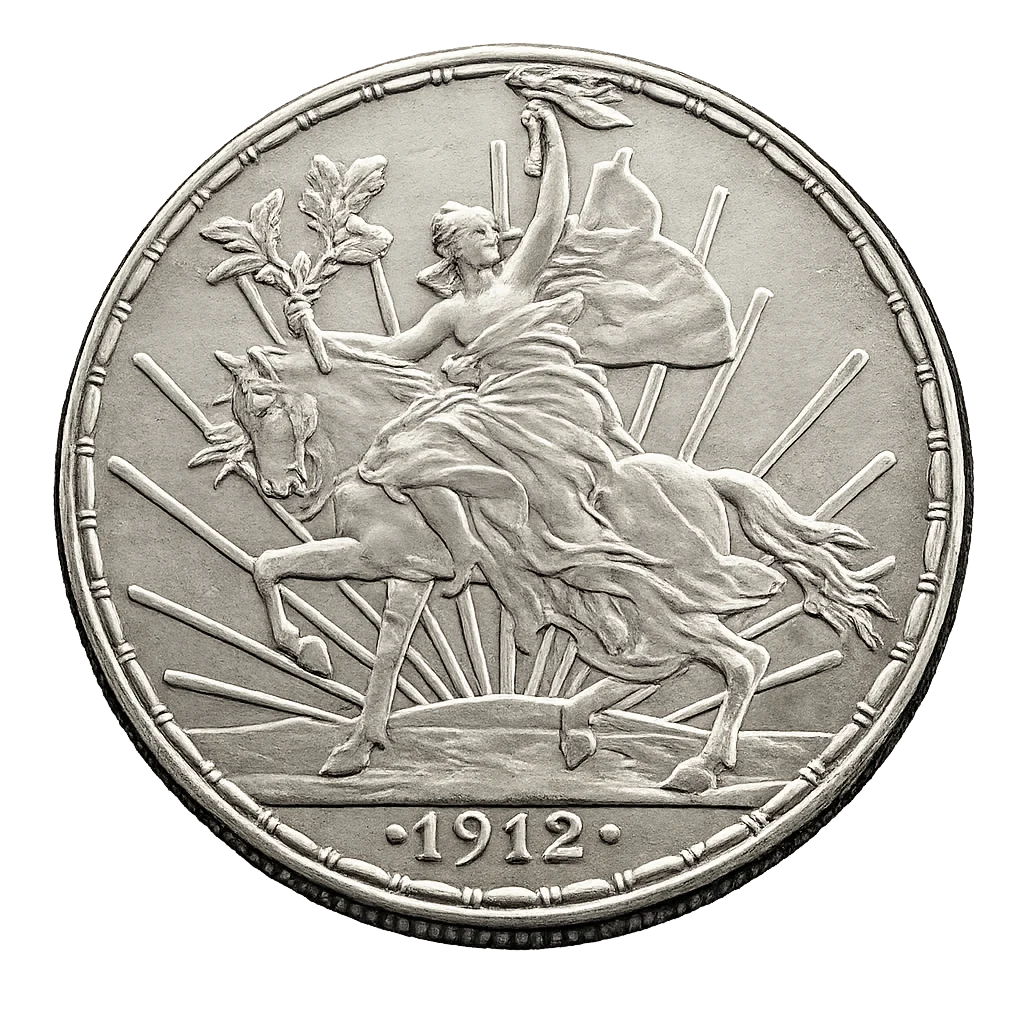
The Caballito, which means "little horse" in Spanish, is one of the most recognized coins from the Mexican Revolution era. It shows a woman on horseback holding a torch, and collectors worldwide chase it for its design as much as its silver. That demand is what separates it from the average old Mexican coin sitting in a drawer.
What you actually have
The 1913 Caballito peso is a large silver coin with these exact specifications:
- Denomination: 1 peso
- Year: 1913 (part of the Caballito peso series)
- Weight: 32.3 grams
- Diameter: 38 millimeters
- Metal: Silver, .999 fine
- Edge: plain
- Era: Mexican Revolution
At 32.3 grams of near-pure silver, the coin carries roughly one full ounce of silver. That gives it a hard floor: even in rough shape, it is worth at least its melt value, which moves with the daily silver spot price. This is why no genuine 1913 Caballito is ever "worthless."
What it's worth in 2026
Value climbs sharply with grade. Three things drive the number: condition (wear), authenticity, and whether the coin has been professionally certified.
| Grade / Condition | Approximate value (USD) |
|---|---|
| Heavily circulated (worn detail) | Near silver melt value |
| Circulated, clear detail (VF-XF) | Modest premium over melt |
| About Uncirculated (AU) | Several hundred dollars |
| Uncirculated / certified MS-63+ | Low to mid four figures |
| Certified gem (MS-65 and above) | Several thousand dollars |
Ranges are given honestly because a single grade point can double the price on a coin like this. A raw coin you think is "uncirculated" and a coin sealed in an NGC or PCGS holder as MS-65 are two very different assets, even if they look similar to the naked eye. If your coin might land in the higher tiers, certification pays for itself.
Watch for the doble troquel (double-die) note
The 1913 anverso (obverse) is associated with the Hidalgo del Parral die work, and some examples show a doble troquel, a double-die strike on the obverse. A genuine, verifiable die variety can add a premium. Be careful, though: most "errors" people spot are post-mint damage (dings, corrosion, cleaning marks), not factory errors. Only a professional grader can confirm a real die variety.
How to tell if yours is genuine
Fakes exist, and the silver content makes this coin a target. Start with the basics:
- Weigh it. A real one is 32.3 grams. A digital jewelry scale settles most questions fast. Off weight means walk away.
- Measure it. 38 millimeters diameter. Wrong size is a wrong coin.
- Check the edge. It should be plain (smooth), not reeded.
- The ping test. Real silver rings with a high, sustained tone when balanced on a fingertip and tapped lightly. Base-metal fakes sound dull and short.
- Certify high-value pieces. For anything that might be worth real money, submission to NGC or PCGS is the only definitive answer. Their holders also make the coin far easier to sell.
Use the coin condition grading guide to place your coin on the scale before you get a value in your head.
Where to sell it
Because this is a precious-metal coin with steady demand, you will always find a buyer. The question is getting a fair price.
- Verified coin dealers listed in the Pesoteca shop directory can appraise and buy on the spot, by city, without middleman markup.
- The Pesoteca buy-and-sell forum puts you in front of collectors who know the coin and will pay for grade.
- Photograph the obverse, reverse, and edge before you approach anyone, and check the value ranges on this page first.
Avoid dumping it to the first Facebook offer. General marketplaces are also where the most fakes circulate, so if you are buying to add one, always ask the seller for the weight and edge photos before paying.
The reality check
The 1913 Caballito is a genuinely collectible coin with a silver floor and strong worldwide recognition, which is more than most old Mexican coins can claim. But it is not a lottery ticket. The difference between a few dollars and a few thousand is condition and certification, not just age. Grade it honestly, verify it, then sell.
Think you have a high-grade or double-die example? Post clear photos of both sides and the edge in the Pesoteca forum and let collectors weigh in before you set a price.
Go deeper on this coin
Peso Caballito 1910 de plata: cuánto vale, años y cómo identificarlo
Qué es el Peso Caballito, cuál año vale más, cuánto cuesta de verdad y cómo detectar las falsas. La moneda más bella de México y su diseñador francés.
Read the full article →Value range of this piece
Market estimate: $987 - $1,870 MXN depending on the grade of preservation (typical range between a circulated and an uncirculated piece).
See the full breakdown by grade (VG, F, VF, EF, AU, MS-60, MS-63, MS-65) for the whole series →
Frequently asked questions
How much is a 1913 Caballito peso worth?
It depends on condition. A heavily circulated coin is worth roughly its silver melt value (about one ounce of .999 silver), while examples in About Uncirculated grade reach several hundred dollars, and certified gems (MS-65 and up) can bring several thousand dollars. Get high-grade coins professionally appraised for an exact figure.
Is the 1913 Caballito peso rare?
It is a sought-after collector coin from the Mexican Revolution era, prized for its design and its near-pure silver content. It is not impossibly scarce in circulated grades, but genuine high-grade and certified examples are much harder to find, which is where the real value lives.
How do I know if my 1913 Caballito peso is genuine?
Weigh it (32.3 grams) and measure it (38 mm diameter); the edge should be plain. Real silver also produces a high, sustained ring when tapped lightly on a fingertip, while fakes sound dull and short. For any valuable piece, NGC or PCGS certification is the definitive proof of authenticity.
Where can I sell a 1913 Caballito peso?
The safest routes are a verified dealer from the [Pesoteca shop directory](/tiendas), who can appraise it in person, or the [Pesoteca buy-and-sell forum](/foro/compra-venta) among collectors. Photograph the obverse, reverse, and edge, check the value ranges on this page, and never sell to the first low offer on general marketplaces.
Conversation
0 comments
Sources
Images for informational and educational purposes, attributed to their original source. Reference values; the real price depends on the grade, the specific variant and demand.
Loading comments…