
Mexican 200 Pesos Note (2004): Value & How to Sell
Familia D · algodón
Period: México Contemporáneo
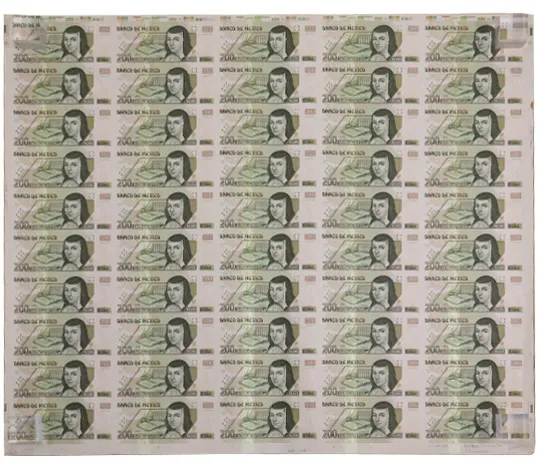
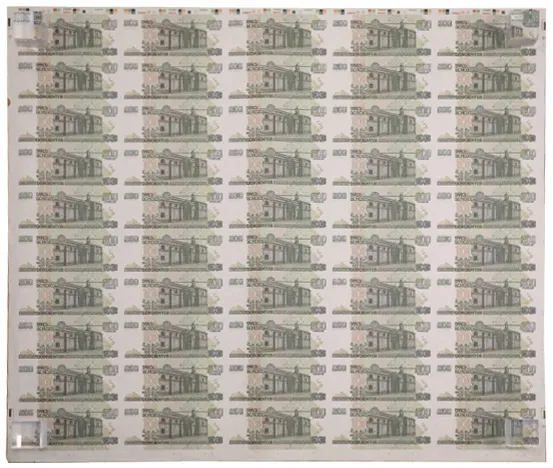
Design
Banxico
Obverse
Sor Juana Inés de la Cruz
Portrait of Sor Juana Inés de la Cruz
Reverse
The Panoayan hacienda
About this banknote
If you inherited or found a Mexican 200 pesos note from the 2004 series, here's the honest answer: most of them are worth their face value in pesos, roughly 10 to 12 US dollars at current exchange rates. The versions that sell for a premium to collectors are uncirculated notes, low or repeating serial numbers, and genuine print errors. Everything else is spending money.
This is the Family D 200 pesos note featuring Sor Juana Inés de la Cruz, the 17th-century poet and scholar known as "the Tenth Muse" (la Décima Musa). It's the paper version that came before the Family F polymer redesign. The reverse shows the Hacienda de Panoaya, the estate where Sor Juana spent her childhood.
What it's worth in 2026
Be realistic. A circulated, folded, everyday example of this note is worth face value: what 200 Mexican pesos converts to in dollars, and nothing more. There is no hidden fortune in a common banknote just because it's a decade or two old.
The value jumps only when one of three specific things is true:
- Uncirculated condition. A crisp note with no folds, no creases, no stains, ideally still in original bank packaging. Collectors pay a premium for pristine examples of any retired series.
- A special serial number. A very low serial (like 0000123), a repeating or radar/palindrome serial (a number that reads the same forwards and backwards), or a solid/repeated pattern. These are hunted by serial-number collectors worldwide.
- A genuine print error. Misaligned cuts, ink smears, a fold that happened during printing, or an off-center serial. Factory errors turn a common note into a collectible worth several times face value.
One important warning: wear and tear is not an error. A note that got damaged from being used is just a damaged note, not a factory mistake. The premium is for defects that left the printing plant that way.
As a general pattern in world paper money, a denomination becomes more collectible right as it's being phased out of circulation. That's when demand for uncirculated and packaged examples starts to build.
The 200 pesos note at a glance
| Feature | Detail |
|---|---|
| Denomination | 200 pesos |
| Series / family | Family D (paper) |
| Front (obverse) | Sor Juana Inés de la Cruz |
| Back (reverse) | Hacienda de Panoaya |
| Issuer | Banco de México |
| Typical value (circulated) | Face value (approx. 10 to 12 USD) |
| Value with premium | Several times face for uncirculated, special serials, or errors |
How to tell if yours is genuine
Mexican notes carry several security features. Check these against official Banco de México images:
- Watermark: hold the note to light and look for the watermark portrait.
- Security thread: an embedded thread visible when backlit.
- Microprinting: tiny text that stays sharp under magnification.
- Raised print (intaglio): run your fingers over the portrait; genuine notes have texture you can feel.
Reproductions and photocopies usually give themselves away with smooth, flat paper and flat, printed-looking colors, with no tactile relief. If you're unsure, post clear photos of both sides in the Pesoteca forum and the community will help you check it.
Where to sell it
To sell the 200 pesos (2004) note, your safest options are a verified numismatic shop from the Pesoteca shop directory, which can appraise it on the spot, or the Pesoteca buy-and-sell forum where collectors trade directly. Before you sell:
- Photograph both sides in good, even light.
- Note the serial number and check whether it's low, repeating, or a palindrome.
- Inspect for any genuine printing error.
Avoid dumping it on a social-media marketplace to the first buyer. A note with a special serial or a real error can be worth many times what a rushed sale will get you.
Want more context on Mexican paper money? Read why the 20 pesos note is leaving circulation and the most counterfeited banknotes in Mexico.
Got a 200 pesos note with an odd serial or a possible error? Post it in the forum and let's take a look together.
Historical context
A 2004 date variant of this 200-peso note of family D, the series that put the consolidated peso into circulation, without the N$ of the new pesos, between 1996 and 2006. The obverse keeps Sor Juana Inés de la Cruz, a major figure of New Spanish Baroque and an early symbol of critical thought in America.
The reverse repeats the hacienda of Panoayan, at the foot of the volcanoes, tied to the poet's early years before her life in the convent.
The later issues of family D tend to present adjustments in signatures and in some security elements compared with the first printings. That is why, among collectors, comparing the 2004 variant with the 2000 one of this same denomination is part of the interest this series of notes arouses.
Frequently asked questions
How much is the Mexican 200 pesos note (2004) worth?
A circulated example is worth its face value, roughly 10 to 12 US dollars at current exchange rates. An uncirculated note, one with a low or palindrome serial number, or one with a genuine print error can sell for several times that. Condition and rarity drive the price.
Is the 200 pesos note (2004) rare?
Not in ordinary circulated condition, millions were printed. What makes a specific note rare is being uncirculated (crisp, no folds), having a special serial number (low, repeating, or a palindrome), or carrying a factory print error. Any one of those makes it sought after by collectors.
Where can I sell my 200 pesos note?
The safest options are a verified numismatic shop from the [Pesoteca shop directory](/tiendas), which appraises it in person, or the [buy-and-sell forum](/foro/compra-venta) among collectors. Photograph both sides in good light and check the serial number before selling. Avoid selling to the first bidder on social media.
How do I tell if my 200 pesos note is genuine?
Check the security features against official Banco de México images: the watermark visible against light, the embedded security thread, microprinting that stays sharp under magnification, and the raised (intaglio) texture on the portrait. Fakes usually have smooth paper and flat colors. If in doubt, post photos in the [Pesoteca forum](/foro).
Características Banxico
Hoja de billete sin cortar (50 imágenes). Con firmas de autorización.
Familia D
This banknote belongs to the BIL-D family within the Sistema PSM . Explore all the banknotes that share origin, era and design with this piece.
Ver todos los billetes de la familia D →