Discipline: the study and collection of Mexican coins, medals and banknotes.
Period covered: 1535 (founding of the Casa de Moneda) – present.
Documented eras: 10 (pre-Hispanic to Nuevos Pesos).
Historical mints: 13 (CDMX + 12 regional).
Pieces cataloged by Pesoteca: 2,298.
Own system: PSM with 0 unique IDs.
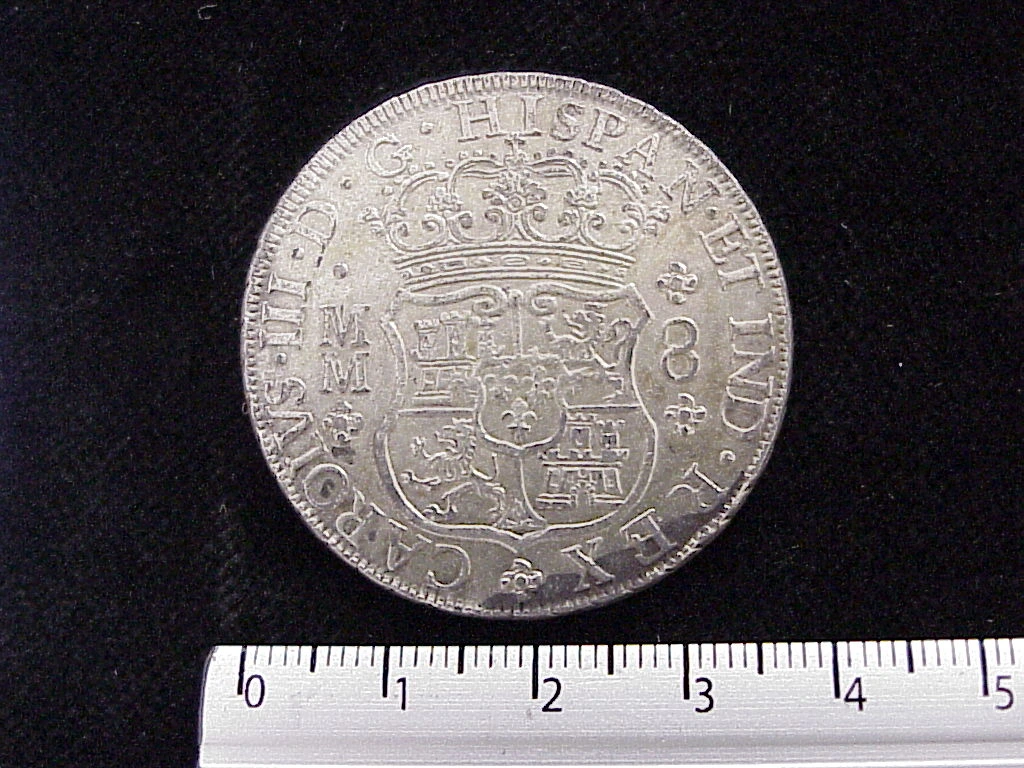
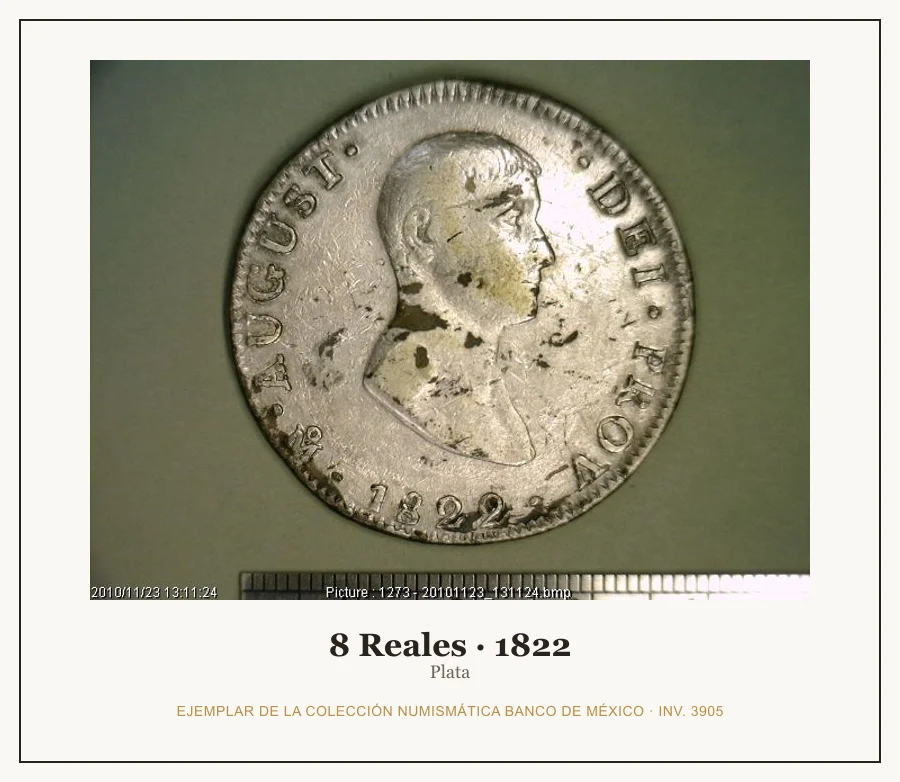
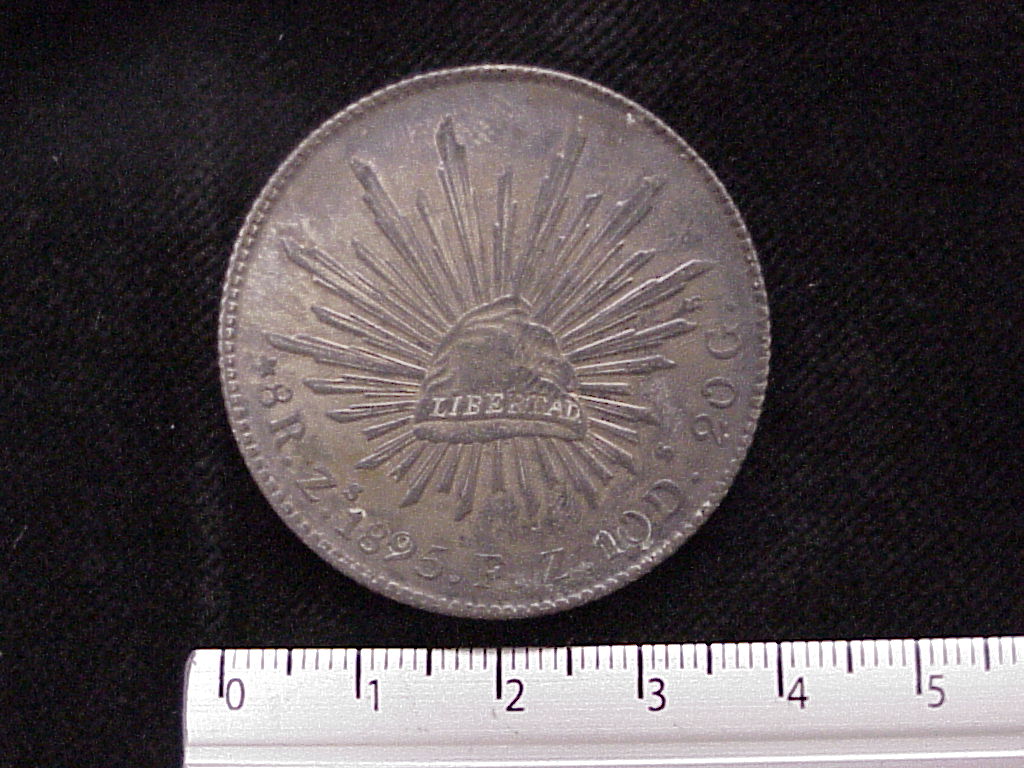
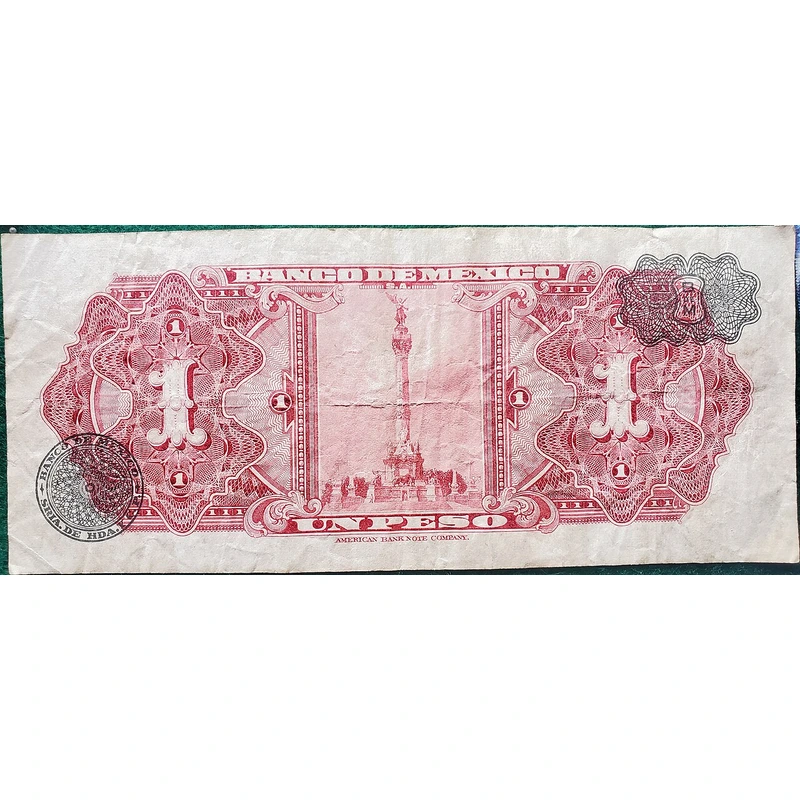
Mexican numismatics is the study and collection of coins, medals and banknotes minted or issued in Mexico since 1535. It covers five full centuries, thirteen historical mints and thousands of distinct pieces. It is the deepest collector niche in Latin America for one concrete reason: during the colonial era New Spain was the world's leading silver producer, and the Mexican 8-reales peso became the world's trade coin, from the Philippines to Boston; it was the basis of the U.S. dollar and the Japanese yen.
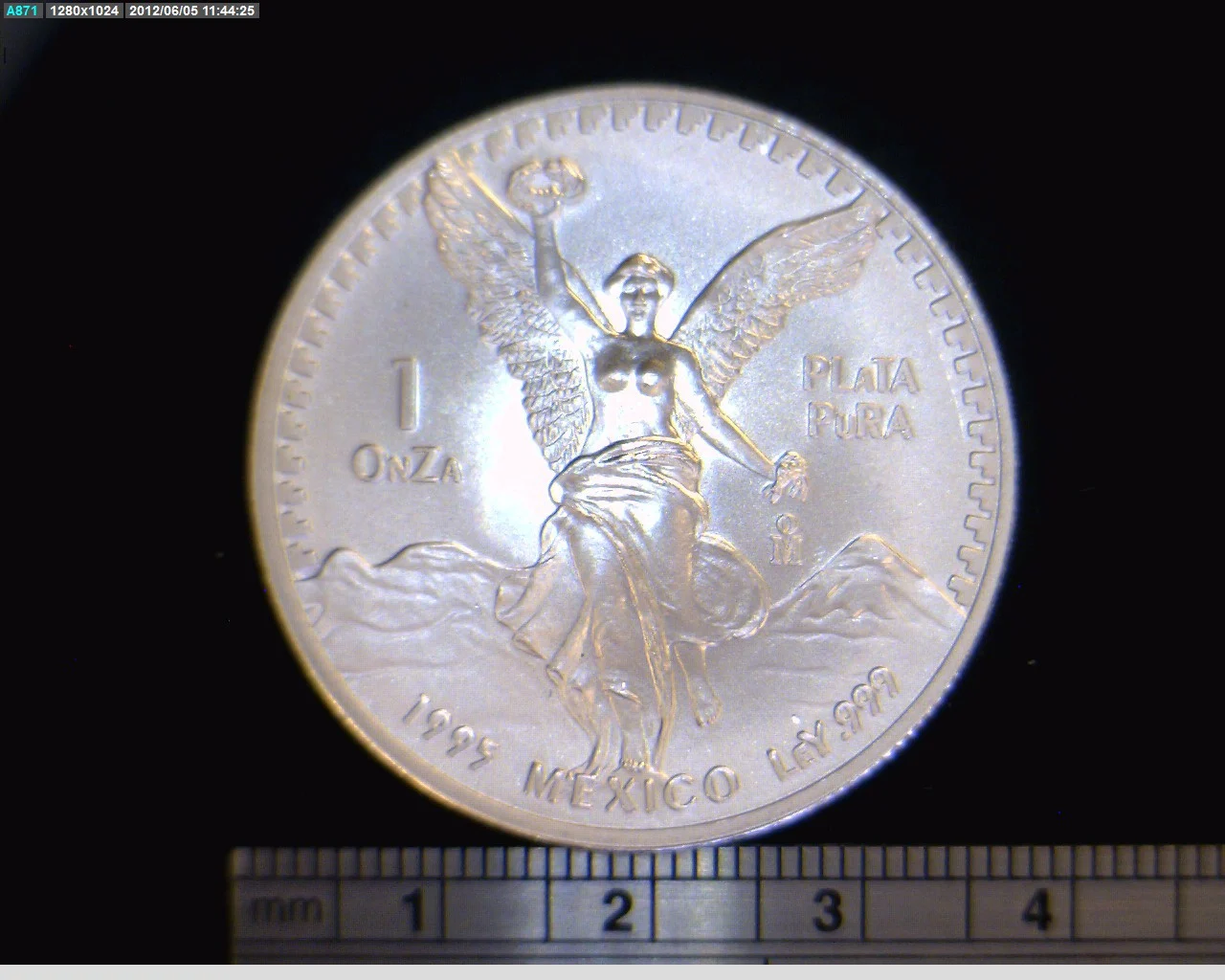
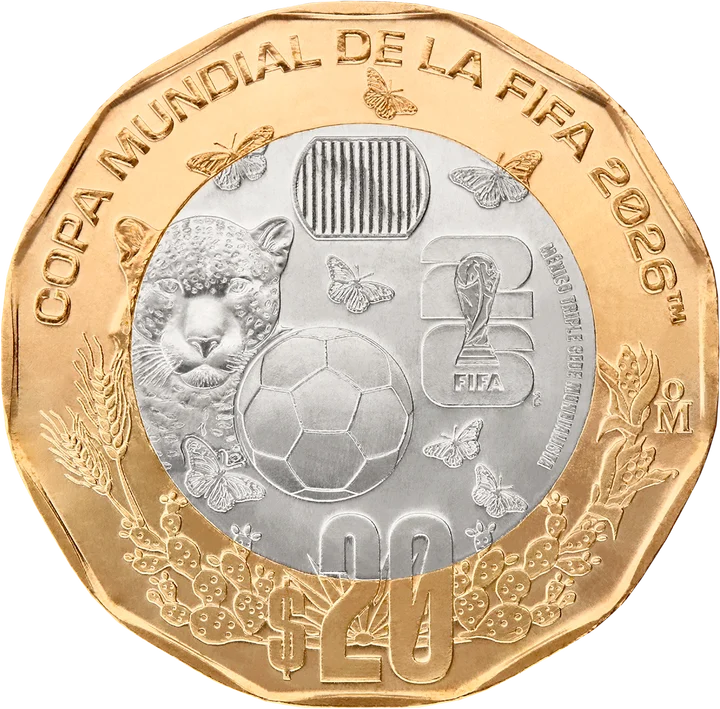
Today, Mexican numismatics ranges from 16th-century colonial pieces (gold 8 escudos, cob 8 reales) to modern circulating coins (the Onza Libertad, the bimetallic commemorative 20-peso coins, the 2026 World Cup coins). This guide covers the full spectrum, with verifiable data from the Pesoteca catalog, official sources (Banxico, DOF, Casa de Moneda) and citable references.
Longest era: Colonial / Virreinato (1536-1821), 285 years.
Shortest era: Second Empire of Maximilian (1864-1867), 3 years.
Era with the most documented production:Nuevos Pesos and the present (1993-today), 785+ cataloged pieces.
Era with the most expensive pieces: Colonial (gold 8 escudos can fetch several million pesos).
Pesoteca divides Mexican numismatics into ten eras along chronological and political lines. Each era has flagship pieces, active mints and distinct minting patterns. This is the backbone of the catalog:
Each era has its own page with a filterable catalog, historical context and featured pieces. If you want to browse the whole catalog by era, go to the hub of Mexican numismatic eras.
The 13 historical mints
Key facts
Historical mints: 13 in total.
Oldest mint: Casa de Moneda de México, founded in 1535 (the oldest in all of the Americas).
Still operating: only the Casa de Moneda de México (the 12 regional ones closed between 1895 and 1905).
Regional mints with the most production: Zacatecas, Guanajuato and Chihuahua.
Mint mark: a small monogram on each coin identifying the mint that struck it (Mo, Zs, Go, CH, etc).
Mexico had thirteen mints active in different periods, and all marked their coins with an identifying monogram (the "mint mark"). Knowing how to read the mint mark is essential to date and value colonial and republican coins: the same denomination in the same year can be worth 10x more or less depending on the mint that struck it.
Mint
City
Founded
Detail
Casa de Moneda de México
Ciudad de México
1535
The oldest in the Americas. It still operates today as the Casa de Moneda de México.
Casa de Moneda de Zacatecas
Zacatecas
1810
A colonial silver hub. Operated until 1905. Mint mark 'Zs' on its coins.
Casa de Moneda de Guanajuato
Guanajuato
1812
Active during Independence and the War of the Reform. Mark 'Go'.
Casa de Moneda de Chihuahua
Chihuahua
1810
Struck royalist pesos during the War of Independence. Mark 'CH' or 'RP'.
Casa de Moneda de Durango
Durango
1811
Operated intermittently through the 19th century. Mark 'Do'.
Casa de Moneda de Guadalajara
Guadalajara
1812
Active during Independence. Mark 'Ga'.
Casa de Moneda de Culiacán
Culiacán
1846
Founded during the war with the U.S. Mark 'C' or 'Cn'.
Casa de Moneda de Hermosillo
Hermosillo
1835
Active until the late 19th century. Mark 'Ho'.
Casa de Moneda de Álamos
Álamos, Sonora
1862
Operated only a few years. Its coins are scarce. Mark 'A' or 'As'.
The Casa de Moneda de México: the oldest in the Americas
Founded in 1535 by order of King Carlos I of Spain, the Casa de Moneda de México is the oldest minting institution in all of the Americas. For nearly 300 years it was the main producer of silver coins in the Spanish Empire. Today it operates under the Ministry of Finance and mints the Onza Libertad, the official Centenarios and Mexico's modern commemoratives.
Its cumulative output includes: the colonial 8 reales (the "pieces of eight" that circulated globally), the colonial gold 8 escudos, the entire post-1905 decimal peso (the Caballito), the Centenario 50 pesos gold and the modern bullion line.
The regional mints: how to identify the mark
Mint marks are fundamental to collecting. They appear as small monograms, generally below the date or near the face value. The main ones:
Mo or M°, Casa de Moneda de México (all periods)
Zs, Casa de Moneda de Zacatecas
Go, Casa de Moneda de Guanajuato
CH / RP, Casa de Moneda de Chihuahua (RP = Real Provisional)
Do, Casa de Moneda de Durango
Ga, Casa de Moneda de Guadalajara
C / Cn, Casa de Moneda de Culiacán
Ho, Casa de Moneda de Hermosillo
A / As, Casa de Moneda de Álamos
O, Casa de Moneda de Oaxaca
Pi, Casa de Moneda de San Luis Potosí
The most historically important pieces
Key facts
Most valuable colonial piece: gold 8 escudos (several million pesos in high grade).
Most iconic modern piece: Peso Caballito 1910, designed by Charles Pillet.
Most globally recognized Mexican gold piece:Centenario 50 pesos gold (33.75 g pure gold).
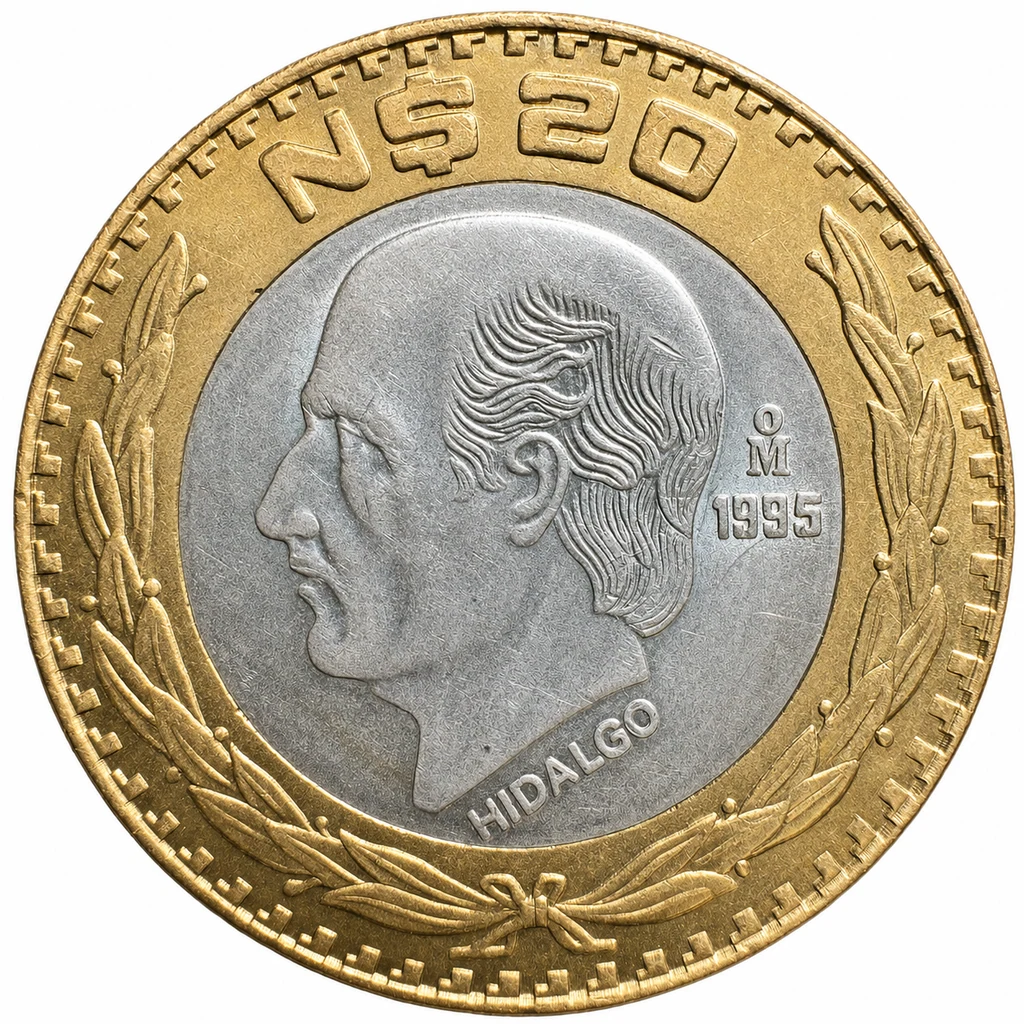
Most expensive modern piece outside gold: Nuevos 20 Pesos Hidalgo 1995 (160,000 minted, 7,800 MXN UNC).
Piece with the longest circulation in history: the colonial 8 reales (250+ years of global circulation).
Modern official bullion: the silver Onza Libertad (1949 historical, 1982 modern line).
Of the millions of Mexican pieces struck over five centuries, there is a handful every collector should know. These are the ones that appear in every serious reference of the niche:
1. Colonial 8-reales peso (1572–1821)
Probably the most influential coin in world history. For 250 years it was the global trade coin: it circulated through Asia, Africa, Europe and the Americas. It was the basis of the U.S. dollar (hence the "$" symbol) and the Chinese yuan. See the colonial 8 reales catalog.
2. Colonial gold 8 escudos
The Spanish "doubloon" struck in Mexico: 27 grams of 22-karat gold per piece. Kings depicted: Felipe V, Carlos III, Carlos IV, Fernando VII. High-grade pieces are the most expensive in the Mexican catalog, fetching several million pesos. Colonial 8 escudos catalog.
3. Insurgent 8 Reales / SUD Morelos (1811–1814)
Struck by Morelos's independence forces, mainly in Oaxaca. Double value: numismatic and historical (a physical testimony of the War of Independence). Pieces with the SUD ("Sur") monogram are the most coveted; they can fetch 1.5 million pesos in good condition.
4. Peso Caballito (1910)
Designed by Charles Pillet right amid the commemoration of the Centennial of Independence. The Peso Caballito 1910 is probably Mexico's most iconic modern piece. In special grades (proof, MS-65+) it easily passes 500,000 pesos. See also the complete Caballito series.
5. Centenario 50 Pesos Gold (1921–1925, not restrikes)
Struck to commemorate the centennial of the completion of Independence. The originals of 1921–1925 are historical pieces; the 1947 restrikes (which are the most common) are worth only the gold they contain. Read how to tell them apart. Today's Centenario price: /precio-centenario-hoy.
6. Silver Onza Libertad (1949 and the modern line)
The Onza Libertad is Mexico's official bullion. The 1949 issue (the historical one) can pass 200,000 pesos in high certified grades. The modern line (1982 onward) is Mexico's most exported collector piece. Read about the most sought-after Onzas Libertad and how to spot a fake.
7. Nuevos 20 Pesos Hidalgo Bimetallic (1993–1995)
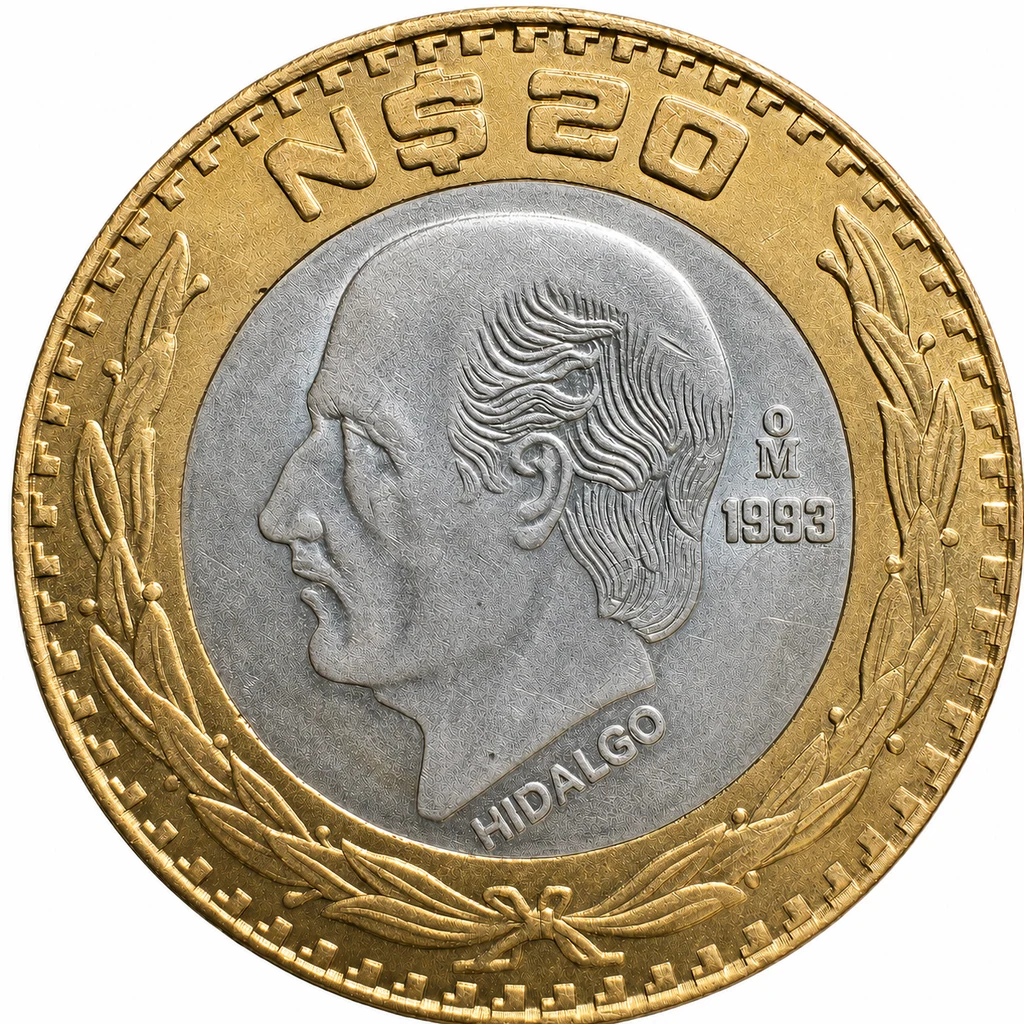
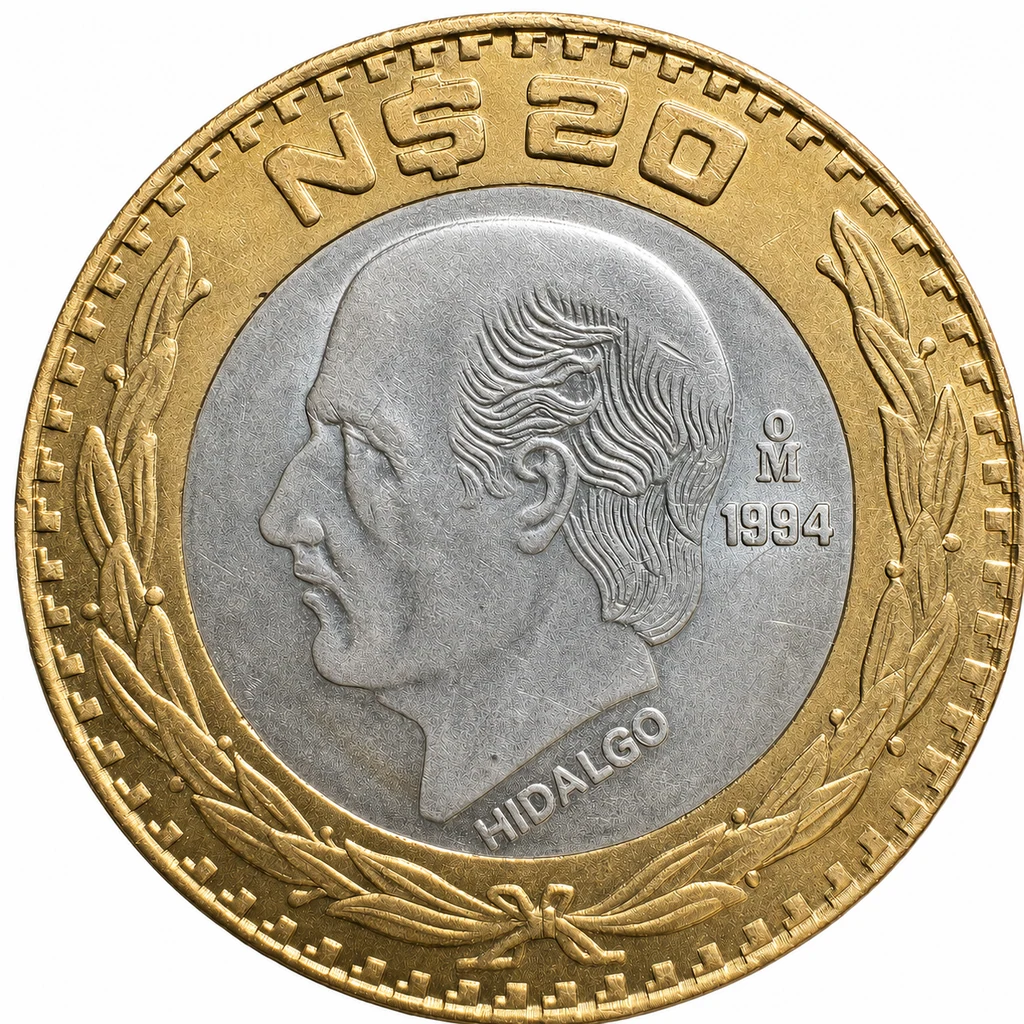
The first bimetallic family of the Nuevos Pesos. The Nuevos 20 Pesos Hidalgo 1995 had only 160,000 pieces struck (vs 5 million of the 1993) and is the most expensive modern piece outside gold: 7,800 MXN UNC loose, above 20,000 MXN in a complete blister.
Catalog gallery: modern commemorative 20-peso coins
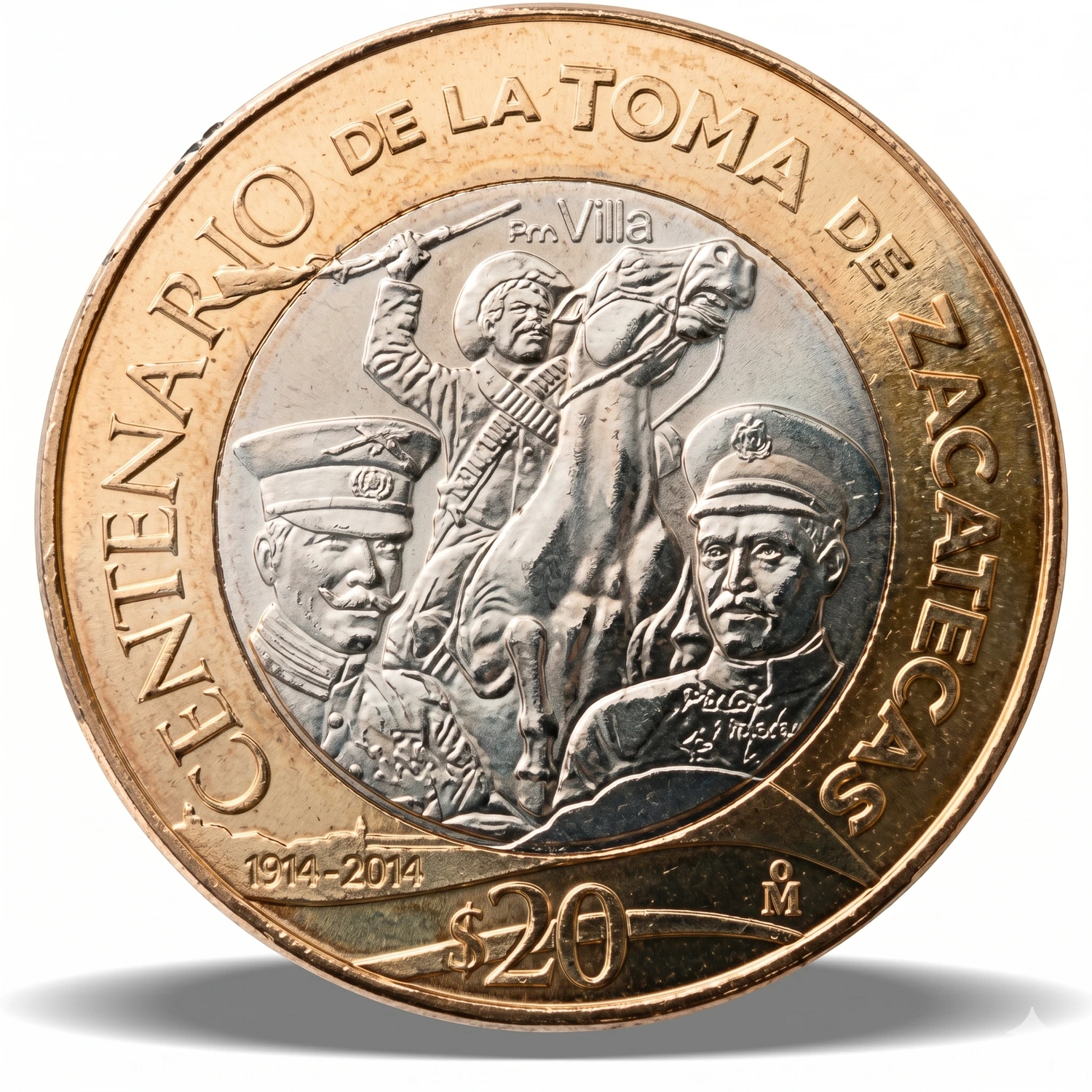
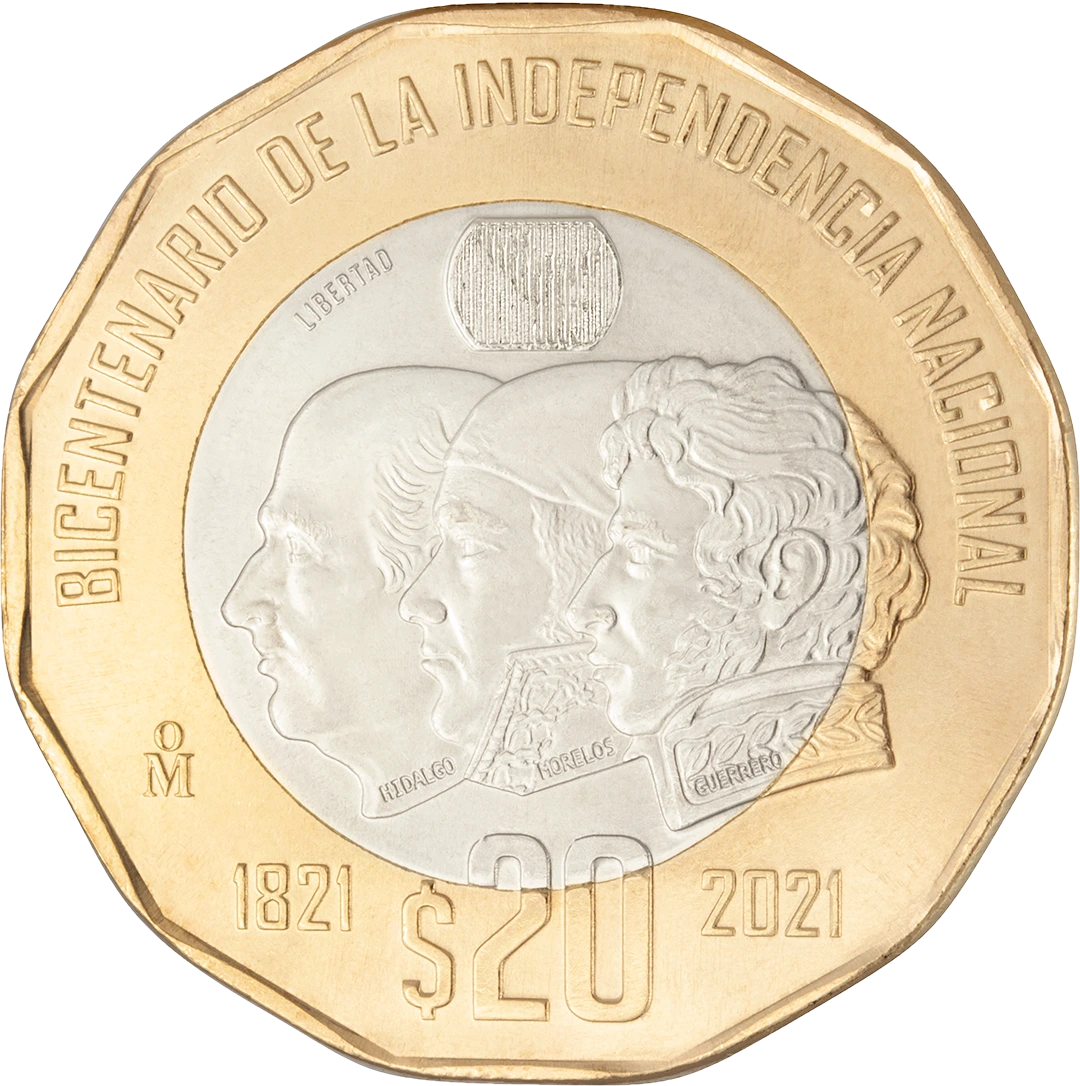
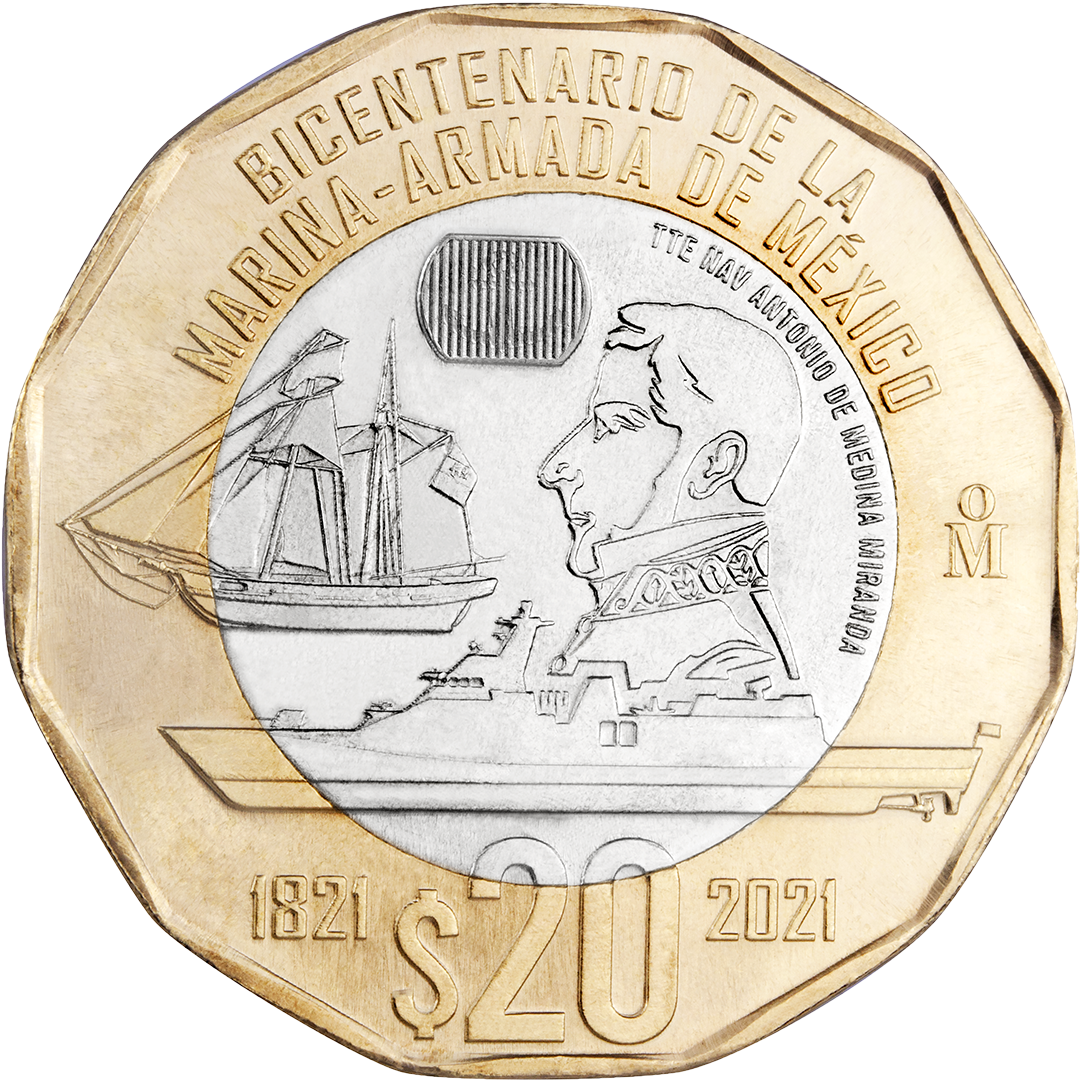
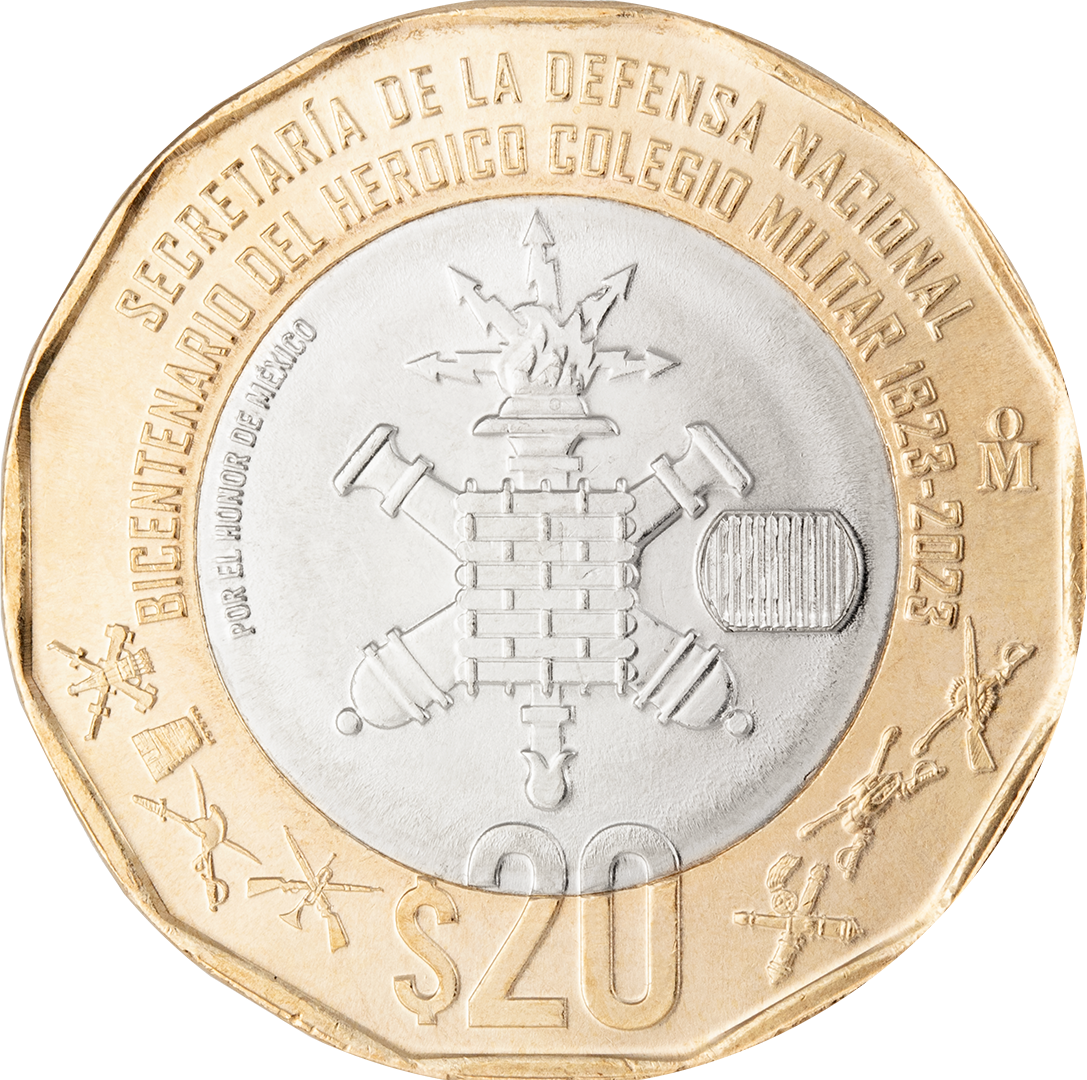
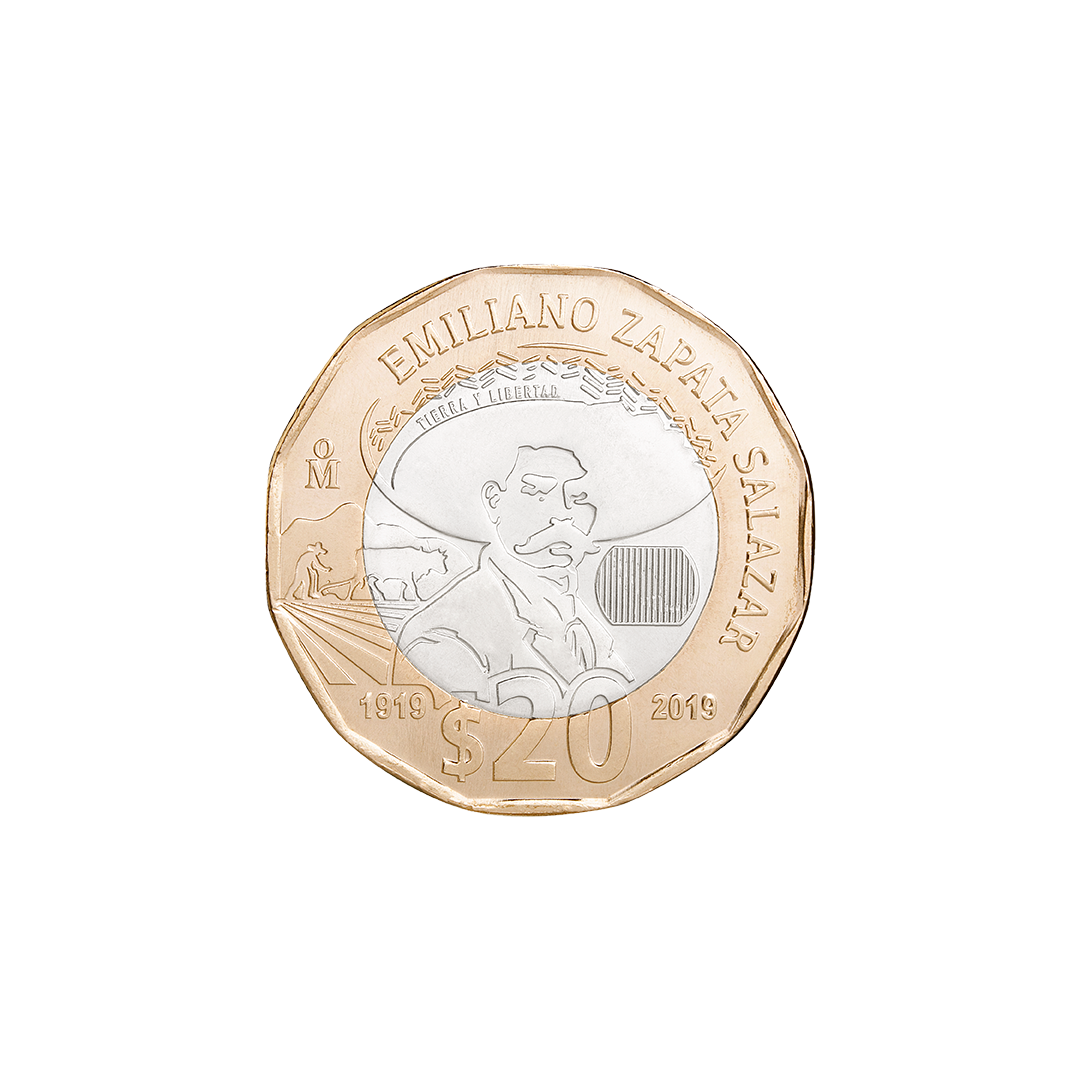
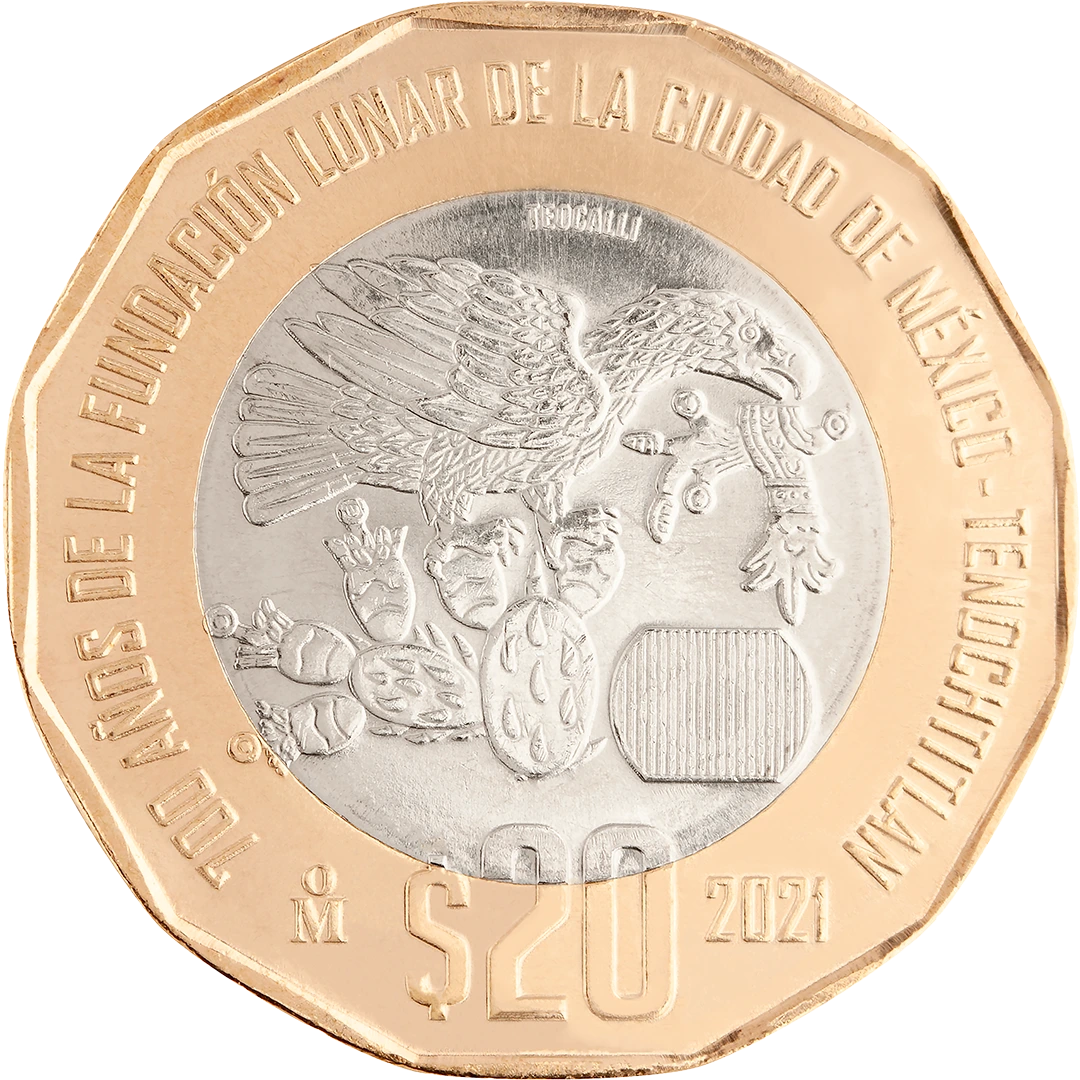
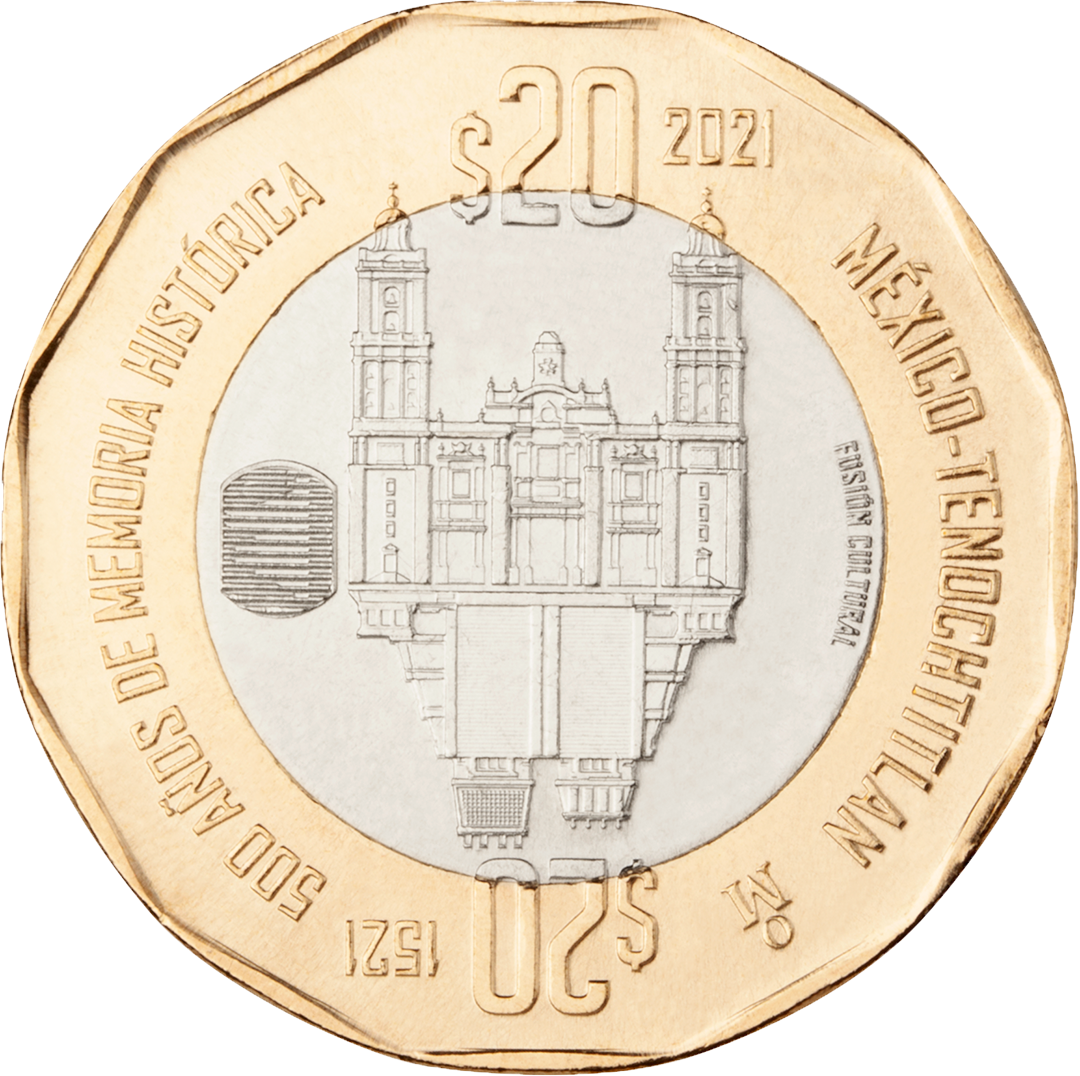
A sample of the bimetallic commemorative 20-peso coins Banxico has issued since 1993, photographed in HD by the Pesoteca team:
The complete catalog of commemorative 20-peso coins (more than 30 pieces since 1993) is at /serie/20-pesos-conmemorativas. Each entry includes the official Banxico mintage, the DOF decree, technical specifications and the current validated price.
How to collect Mexican numismatics today
Key facts
Most accessible entry: the bimetallic commemorative 20-peso coins (from 1993), 90-200 pesos per common piece.
Most popular completable series: the 5 pesos Bicentenario (37 pieces), the Onza Libertad by year, the 100 pesos States of the Federation (32 pieces).
Recommended starting investment: ~1,500-3,000 MXN to begin a viable collection.
Most common beginner mistake: buying a loose piece and then buying the blister (spending twice).
If you're just starting out, the most accessible entry is the bimetallic commemorative 20-peso series (from 1993). Banxico has issued more than 30 designs; most still circulate or can be found in a blister for under 200 pesos. It's where the majority of today's active Mexican collectors began, including the Pesoteca team.
Let me save you the most common beginner mistake: buy them in the original Banxico blister directly, not as loose pieces from a fair. Early on I bought semi-brilliant loose ones, and after discovering the blisters I had to buy the blisters too (I spent double). I say this from experience.
Another lesson from my own mistake: don't use cheap plastic capsules or the ones sold on Facebook for 30 pesos each. I did that at first and ended up with oxidized, stained pieces. Today I use:
Inert capsules from brands like Lighthouse, OWL Suisse and similar (~50-150 pesos each)
Cotton gloves to handle without finger grease
Anti-humidity silica-gel packets inside the drawer
This is the part no other Mexican site says clearly: most of the formal sellers in Mexico are middlemen ("coyotes"). This niche is corrupted. Most are looking to scam you more than to promote collecting. That's why, before buying any "rare" or "valuable" piece, always:
Today's gold and silver price? See the blocks below (updated daily)
One of the things the Mexican niche most lacks is real, up-to-date price information. Banxico doesn't publish prices to the public; SONUMEX has no price catalog; formal shops usually carry spreads of 25-35% over spot that they don't explain. Pesoteca updates real prices daily.
This is the part only Pesoteca can say without hedging. Mexican numismatics is one of the deepest collector niches in the world, but also one of the least accessible. Three factors explain it:
1. The official information is hidden
Banxico publishes decrees in unreadable PDFs inside the Diario Oficial de la Federación. The Casa de Moneda has no public historical catalog. The data exists but requires knowing where to look and how to interpret technical-legal language. I documented the full problem here.
2. The "experts" charge or don't share
SONUMEX (Sociedad Numismática de México) is the historic civil association of the niche. It is formally registered as a non-profit organization. In practice, however, all the useful knowledge sits behind an economic barrier: its online store (sonumex.org.mx/shop.html) sells the catalog, the printed publications and the memberships. There is no open public catalog, no free structured guides. There is no Mexican public equivalent of Numista or NGC in terms of informational openness.
Pesoteca takes the opposite stance: zero memberships, zero paywalls, a 100% public PSM catalog from day one. If the niche's information should be accessible, it is. No login-gated downloads, no "members-only publications", no paid newsletter.
3. Most sellers are middlemen
The niche is corrupted. Documented cases: formal shops in downtown CDMX selling circulated pieces in a blister as if they were originals; "experts" appraising pieces at 1/3 of their real value in order to buy them; forgeries presented as authentic at fairs. The full report here.
Why Pesoteca
Pesoteca exists to fill that gap: clear, accessible, public information. Zero memberships, zero paywalls, zero data manipulated to sell you something. What Banxico hides in PDFs, we translate into readable entries. What SONUMEX charges for, we give away free. What Numista ignores because it's an Anglo project, we cover in Mexican Spanish with the reality of the street.
Resources and references
Official sources (Mexican)
Banco de México (banxico.org.mx), DOF decrees, technical specifications, official Family G designs.
Casa de Moneda de México (cmm.gob.mx), the official minter, physical shop in CDMX, historical die archive.
Diario Oficial de la Federación (dof.gob.mx), issuance decrees and monetary reforms.
INAH (Instituto Nacional de Antropología e Historia), pre-colonial and historical-mint numismatic collections.
Museo Numismático Nacional (in the Casa de Moneda, CDMX), a physical collection open for consultation.
Archivo General de la Nación (AGN), the 1535 Royal Charter founding the Casa de Moneda and colonial documents.
Niche associations
There are also other references in the niche such as SONUMEX (a civil association with an institutional presence but an outdated website and a paid catalog), Numista (an international collaborative catalog in English/French with limited coverage of Mexican pieces), and grading services such as NGC and PCGS (international grading used by premium collectors). Pesoteca is the only Mexican reference with a free public catalog and verifiable, up-to-date data.
On Pesoteca you can use the free /cuanto-cuesta-mi-moneda tool, which gives you an estimated price range in three steps (material, denomination, year). For an exact appraisal, the official reference is the Banxico catalog and the Casa de Moneda de México, but neither publishes up-to-date market prices. A professional alternative: take the piece for appraisal at verified physical shops in the Pesoteca directory (200+ shops by city), or post it to the Pesoteca forum for a second opinion from active collectors.
Which Mexican coins have numismatic value?
The highest historical value belongs to the colonial gold 8 escudos (Felipe V, Carlos III and IV, Fernando VII), the insurgent 8 reales SUD Morelos and JNA, the Peso Caballito 1910 in top grade, original Centenario 50 pesos gold 1921-1925, and die varieties of the commemorative 20-peso series (the 'cabezones' 2021, Belisario Domínguez 2013 in blister). For pure-silver pieces: the complete Onza Libertad (satin, proof, matte-brilliant) and the Libertad silver kilo. Full detail at /monedas-mexicanas-buscadas-coleccionistas.
Which coins are sought after by collectors in Mexico?
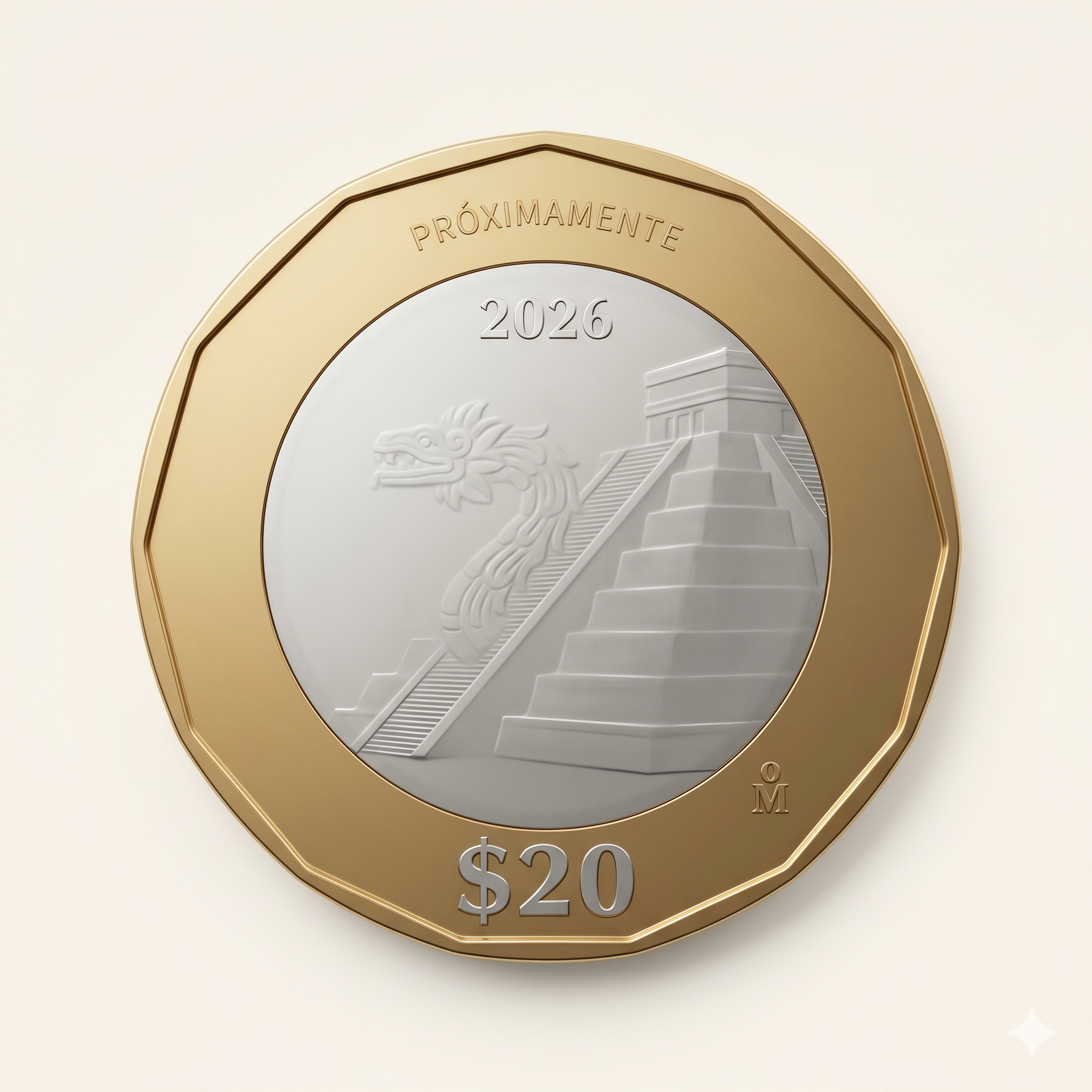
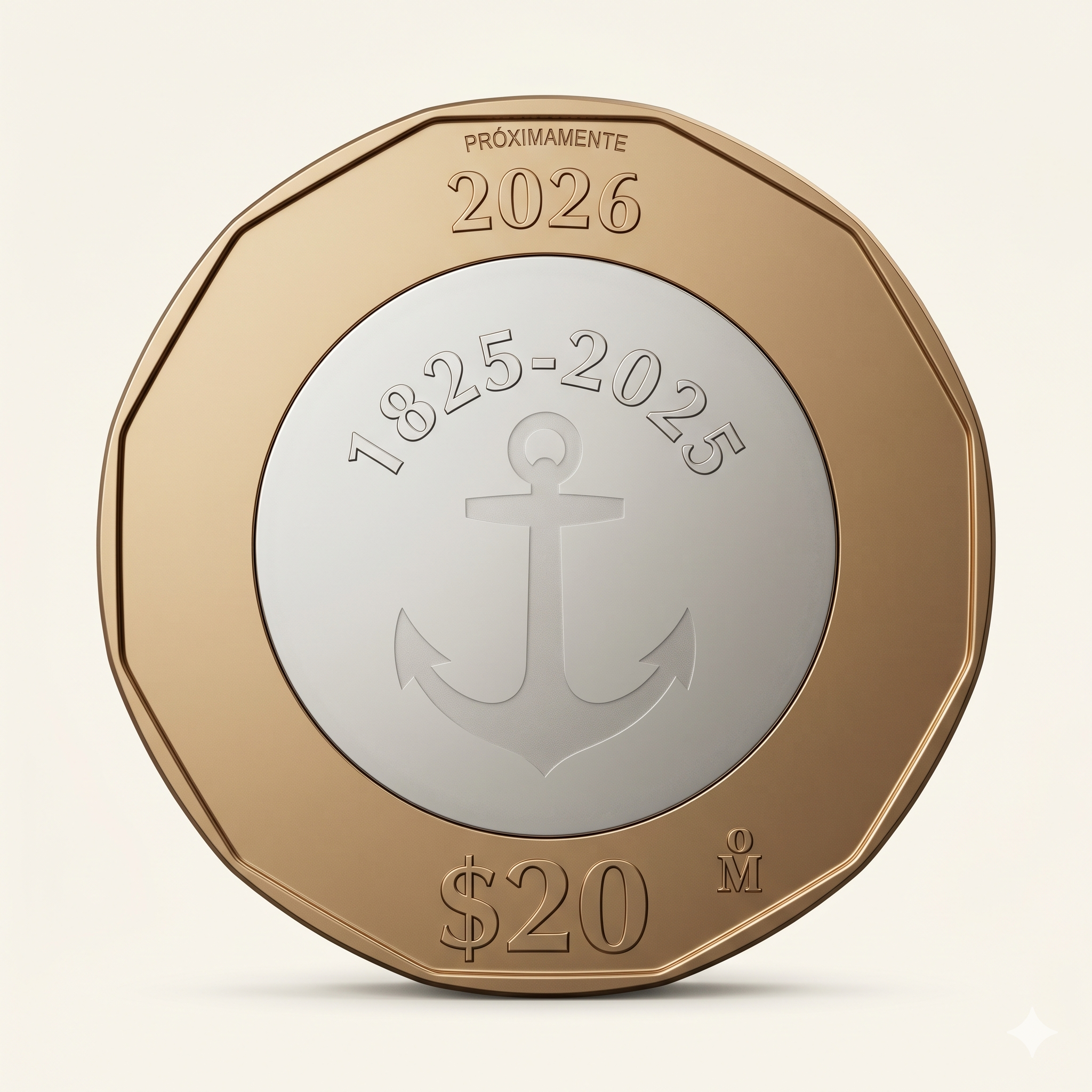
The 12 coins of the 2026 World Cup (4 circulating bimetallic 20-peso coins, 4 pure silver 1-ounce, 4 pure gold 1/4-ounce), the Kukulkán / Chichén Itzá 2026 coin, the 4 bimetallic 'cabezón' coins of 2021 (Bicentennial of Independence), the yearly satin silver Onza Libertad, the Centenario 50 pesos gold (1905 Monetary Reform), colonial 8 reales from the Casa de Moneda de México, and the Mexican Dinosaurs medals from the Mint (2026 collection). All are trading upward in the Mexican secondary market.
Where can I sell my old coins in Mexico?
Four honest routes: (1) verified physical shops in the Pesoteca /tiendas directory by city, with a formal appraisal, (2) serious auction houses such as Morton Auctions or Louis C. Morton, (3) the Pesoteca forum with macro photos and self-declared grade (you reach serious collectors without middlemen), (4) Mercado Libre and Facebook 'Numismática Mexicana' groups, but only with an experienced seller and comparative prices. Avoid the middlemen of Calle de Palma or the Azcapotzalco fair if you don't know market prices.
How can I tell if I have a valuable coin?
Five signs that actually work: (1) a key date (Peso Caballito 1910, original Centenario 1921-25, the 2021 Bicentennial 'cabezón'), (2) a low mintage or a 'cabezón' (a die variety with an error), (3) a noble metal (pure .999 gold or pure .999 silver, not the old 0.720), (4) an original Banxico blister or a PCGS/NGC certificate, (5) state of preservation (an UNC is worth 5 to 15 times a circulated one). Check with the /cuanto-cuesta-mi-moneda tool for a rough range, and with the Pesoteca catalog /todas-las-monedas for a full technical entry by year.
What is Mexican numismatics?
Mexican numismatics is the study and collection of coins, medals and banknotes minted or issued in Mexico from the founding of the Casa de Moneda de México in 1535 to the present. It covers five centuries: the colonial era (8 reales and 8 escudos), independent Mexico (the silver peso, Hidalgo gold, the Centenario), modern Mexico (Caballito, Onza Libertad, Nuevos Pesos) and today's era (commemorative 20-peso coins, the 2026 World Cup).
When was the Casa de Moneda de México founded?
The Casa de Moneda de México was founded in 1535 by order of King Carlos I of Spain and Queen Juana, making it the oldest minting institution in the Americas. For nearly 300 years it was the main producer of silver coins in the Spanish Empire. Today it still operates under the direction of the Ministry of Finance and mints the Libertad line and the official Mexican commemoratives.
How many historical mints were there in Mexico?
Thirteen mints operated in Mexico across different periods: the Casa de Moneda de México (1535-present) and twelve regional ones: Zacatecas, Guanajuato, Chihuahua, Durango, Guadalajara, Culiacán, Hermosillo, Álamos, Real de Catorce, Oaxaca, Estado de México (Tlalpan) and San Luis Potosí. Each used its own mint mark engraved on the coins.
Which is the most valuable Mexican coin historically?
The most valuable pieces are the colonial gold 8 escudos (Felipe V, Carlos III, Carlos IV, Fernando VII), which can fetch several million pesos in high grades. Next come the insurgent 8 reales of Independence (SUD Morelos, JNA), the Peso Caballito 1910 in special grades, and the original Centenario 50 pesos gold 1921-1925 (not the modern 1947 restrikes).
How do I start collecting Mexican numismatics?
The most accessible entry is the bimetallic commemorative 20-peso series (from 1993), the 5-peso Bicentennial and Centennial coins (2008-2010), and the silver Onza Libertad. Start by buying original Banco de México blisters (not loose fair pieces, which are often tampered with) and store them with inert Lighthouse/OWL Suisse capsules, not cheap plastic. Pesoteca has a public catalog with 1,700+ pieces and real, validated prices.
Where do you buy authentic Mexican coins?
The main sources are: blisters direct from Banco de México (banxico.org.mx/billetes-y-monedas), the Casa de Moneda de México (the official minter, with a shop in CDMX), authorized commercial banks (Banamex, Banorte, HSBC, Santander, Casa de Moneda direct, Azteca) for gold pieces, and verified numismatic dealers such as Numismática Eclipse or Plata Mex for pieces with added numismatic value. Pesoteca documents 200+ legitimate shops at /tiendas.
What is Pesoteca's PSM system?
PSM (Pesoteca Sistema Monetario) is Pesoteca's own numismatic catalog, the Mexican equivalent of the Krause Standard Catalog or Numista but specific to Mexican pieces. Each distinct physical piece has a unique PSM ID (for example PSM-B.0029 for the Nuevos 20 Pesos Hidalgo 1995). It includes 1,500+ pieces with verifiable Banxico/DOF data and validated prices.
What makes Pesoteca different from SONUMEX or Wikipedia?
SONUMEX is the historic civil association of Mexican numismatics (with a long institutional presence), but its website is an outdated blog with no public catalog. Wikipedia has a short, shallow article by the nature of an encyclopedia. Pesoteca offers a complete PSM catalog (1,700+ pieces with Banxico images), an active forum, a directory of 200+ verified shops, real gold/silver prices scraped daily, and editorial guides with verifiable data. 100% public and free access.
Have a coin you want to value?
Post it to the Pesoteca forum with a photo of the obverse, reverse and edge. The community helps you identify it, value it and tell you whether it's worth keeping, selling, or taking to an appraiser. No fees, no commercial agenda. It's the best way to learn the niche.