
1 Peso Bimetallic 1999: Value & Rarity
Prices updated: August 2026
Circulating coin EUM 1999, bimetallic, satin finish.
Circulating coin EUM 1999, bimetallic, satin finish.
Design
Banxico
Reverse
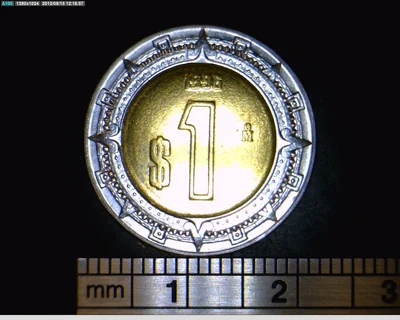
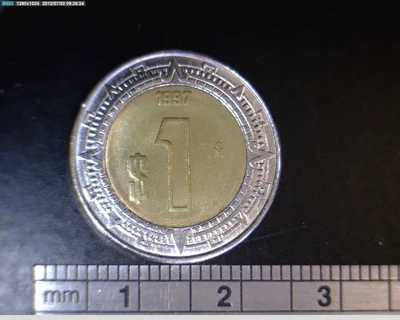
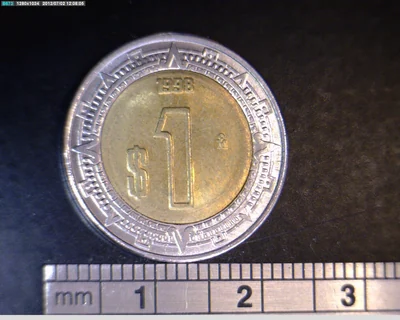
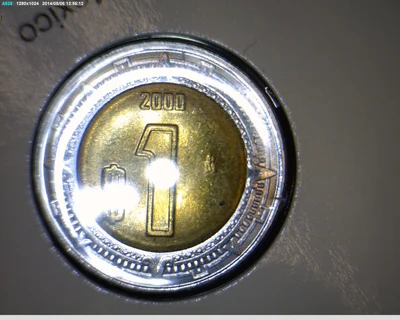
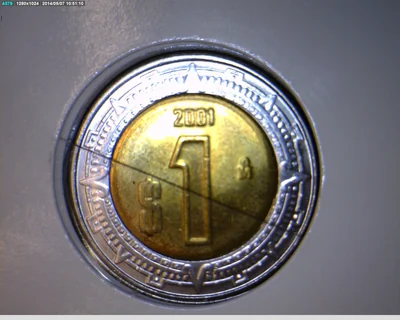
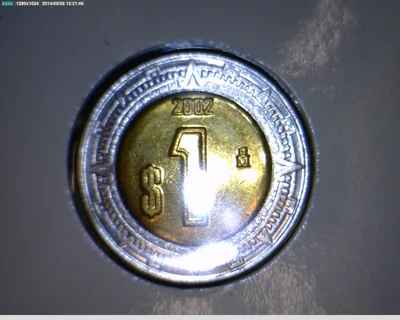
Large number 1 at center with the word PESO, the Mo mint mark (Mexico City Mint), and the year of minting 1999. The design sits on the bimetallic part of the coin (center and ring of different tone).
Obverse
Obverse with Mexican National Coat of Arms (eagle devouring a serpent on a nopal) in high relief at center, legend "ESTADOS UNIDOS MEXICANOS" in the upper arc. Canonical design of the post-1996 reform circulation.
How much is the 1 Peso Bimetallic 1999: Value & Rarity worth?
The market value of the 1 Peso Bimetallic 1999: Value & Rarity is not yet documented with enough data to give a firm range. Weigh and measure your piece, compare it against the specifications, and check the forum for a second opinion.
The real price depends on four factors: the grade of preservation (a circulated piece is worth the low end of the range; an uncirculated one, or one still in its official blister pack, the high end), the finish (satin vs mirror/proof), the rarity within the series based on the mintage, and the metal spot price on the day of the deal when the piece is silver or gold. Check the value-by-grade table above and compare with equivalent pieces before buying or selling.
Where to buy or sell this coin?
Browse the national directory of numismatic shops or the community forum to trade directly with other collectors.
Description
If you found a Mexican 1 peso coin dated 1999, here is the honest answer first: in the worn condition these almost always turn up, it is worth its face value, one peso, roughly 5 US cents. It is not silver, it is not rare, and it is not a hidden fortune. A few specific versions do sell for more, and this page shows you exactly which ones.
What this coin actually is
The 1999 one peso is a bimetallic circulation coin, meaning it has two parts of different colors: a center disc and an outer ring. Mexico's central bank, Banxico, launched this design as part of the nuevos pesos ("new pesos") family after the 1993 currency reform.
Quick specs to confirm you have the right coin:
- Weight: 3.95 grams
- Diameter: 21 mm
- Edge: reeded (grooved)
- Center and ring: two clearly different tones (bronze-aluminum alloy and steel)
The front (obverse) shows the Mexican coat of arms, an eagle on a cactus eating a snake, with the legend ESTADOS UNIDOS MEXICANOS. The back (reverse) is the side most people photograph: a large number 1 in the center with the word PESO, the mint mark Mo (Casa de Moneda de México, the Mexico City Mint), and the year 1999.
Is it silver? No.
This is the question we get most, so here it is plainly: the 1999 one peso contains no silver and no gold. It is made of common alloys, so it has no melt value to calculate. If you are hunting for Mexican pesos worth money for their silver content, those are the older .720 fine silver series from the 1950s and earlier, not modern bimetallic coins. See our guide to silver Mexican coins for the pieces that do have intrinsic value.
When a 1999 peso is worth more than face value
There are only two realistic scenarios where this coin sells above one peso:
- Uncirculated condition. A coin with full original luster, no scratches, and no wear, graded high, can interest collectors of modern circulation coinage. Even then we are talking a few dollars at most, not a windfall.
- A genuine mint error. This is what actually drives price on bimetallic coins. The errors that matter are off-center strikes, doubled dies, and pieces where the center and ring are mismatched or rotated.
A word of caution on errors: normal wear and everyday damage fool a lot of people into thinking they have a rare mistake. Before you assume, compare your coin against reference photos of confirmed errors. A loose center that came apart from handling is damage, not a mint error.
Value at a glance
| Condition | What it is | Realistic value (USD) |
|---|---|---|
| Circulated (worn) | The way it almost always appears | Face value, about 5 cents |
| Uncirculated | Full luster, no wear | A few dollars to collectors |
| Verified mint error | Off-center, doubled die, rotated center | Higher, varies by error and demand |
The myth: "old coin from another country = valuable"
Most inherited foreign coins are worth very little, and the 1999 peso is a textbook example. It circulated in huge numbers and still turns up in pocket change and market till trays across Mexico. High mintage plus no precious metal equals no premium in worn condition. Age alone does not create value; rarity and demand do, and this coin has neither.
How to check what yours is worth
- Confirm the type. Weigh it (should be near 3.95 g) and measure it (21 mm, reeded edge). This rules out a similar-looking denomination.
- Grade the condition. Look for original shine and sharp detail. If it looks worn and dull, it is a circulated coin at face value.
- Inspect for real errors. Check whether the design is centered, whether letters look doubled, and whether the center and ring line up correctly.
- Compare against real sellers. Browse the rest of the bimetallic 1 peso series and check the Pesoteca store directory to see what real buyers and sellers price these at before assuming a number.
Where to sell it
If your coin is circulated, there is no real market above face value, so it is not worth the effort to sell one at a time. If it is uncirculated or has a verified error, offer it to collectors of modern Mexican coinage. The Pesoteca store directory is where you find serious buyers and can compare offers instead of taking the first one.
Got a 1999 peso you think shows a mint error? Post clear photos of both sides in the Pesoteca forum and let collectors weigh in before you list it.
Historical context
When Banxico dropped the N$ prefix from the peso starting in 1996, the circulating pieces kept the same physical format as their Nuevos Pesos equivalents from the decree of June 22, 1992. This bimetallic 1-peso coin struck in 1999 is part of that continuity: same technical specifications, same base design with the National Coat of Arms on the obverse, only the nominal value visible on the reverse changed. That's why gathering dates reveals long sequences with very little variation.
For the Mexican collector building a collection by year, these pieces are the ones that fill the basic gaps before hunting the rare commemorative versions. Banxico documents the mintages in its Monetary Circular CM10 from the year 2000, so for 1999 it is possible to verify the exact mintage against that source. Pesoteca catalogs each year as a distinct physical piece in the PSM System family C, following our convention of one ID per collectible piece, not per shared design.
This piece belongs to the era
Nuevos Pesos y actualidad →Explore all the Mexican coins of this era, their historical context and how they connect to the monetary system of the period.
Value range of this piece
Value range without enough data for this piece.
See the full breakdown by grade (VG, F, VF, EF, AU, MS-60, MS-63, MS-65) for the whole series →
Same denomination, other years
1 peso Bimetálica · 1 Pesos Bimetálica
Frequently asked questions
How much is a Mexican 1 peso from 1999 worth?
In the circulated condition it almost always appears in, it is worth face value, one peso, roughly 5 US cents. It is a high-mintage circulation coin, not a scarce piece. The price only rises if it is uncirculated (high grade) or has a genuine mint error.
Is the 1999 one peso rare or valuable?
No. It circulated in very large numbers and still turns up in everyday change in Mexico. Age alone does not make it valuable. Only mint-state examples or verified striking errors sell above face value, and even those are modest, usually a few dollars.
Does the 1999 Mexican peso contain silver?
No. It is bimetallic, made of common alloys (bronze-aluminum center and a steel ring), with no silver or gold. It has no melt value. The Mexican pesos worth money for their metal are the older .720 fine silver coins from the 1950s and earlier.
Where can I sell my 1999 peso and how do I tell if it's genuine?
Circulated coins have no real market above face value. If yours is uncirculated or shows a verified error, use the Pesoteca store directory at /tiendas to reach serious buyers. To confirm it is genuine, check that it weighs about 3.95 g, measures 21 mm, has a reeded edge, and shows two clearly different tones with the coat of arms on the front and the 1 PESO, Mo mint mark, and 1999 date on the back.
Conversation
0 comments
Sources
- Ejemplar de la Coleccion Numismatica Banco de Mexico . inv. 20219
- Ejemplar de la Coleccion Numismatica Banco de Mexico . inv. 20220
- Ejemplar de la Coleccion Numismatica Banco de Mexico . inv. 20221
- Ejemplar de la Coleccion Numismatica Banco de Mexico . inv. 20222
- Ejemplar de la Coleccion Numismatica Banco de Mexico . inv. 20223
Images for informational and educational purposes, attributed to their original source. Reference values; the real price depends on the grade, the specific variant and demand.
Loading comments…