
1 Real Silver Coin with Counterstamps (Resellos): Value Guide
The 1 Real Silver Coin with Counterstamps : Value Guide is worth between $92 and $106 MXN depending on its grade of preservation.
Prices updated: August 2026
Independence
Independence
The 1 Real Silver Coin with Counterstamps : Value Guide is worth between $92 and $106 MXN depending on its grade of preservation.
Prices updated: August 2026
How much is the 1 Real Silver Coin with Counterstamps (Resellos): Value Guide worth?
The estimated value of the 1 Real Silver Coin with Counterstamps (Resellos): Value Guide ranges from $92 (circulated, XF) up to $106 (official blister pack), with $101 as a reference for an uncirculated (UNC) piece. The estimate is based on the official mintage and the historical behavior of the family.
The real price depends on four factors: the grade of preservation (a circulated piece is worth the low end of the range; an uncirculated one, or one still in its official blister pack, the high end), the finish (satin vs mirror/proof), the rarity within the series based on the mintage, and the metal spot price on the day of the deal when the piece is silver or gold. Check the value-by-grade table above and compare with equivalent pieces before buying or selling.
Where to buy or sell this coin?
Browse the national directory of numismatic shops or the community forum to trade directly with other collectors.
Description
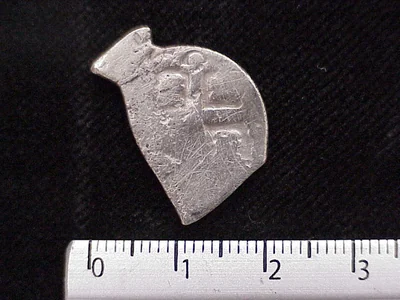
If you inherited a small, worn silver coin marked "1 R" with strange extra stamps punched into it, you likely have a colonial 1 real with counterstamps (called resellos in Spanish). Most of these are worth from a few dollars up to a few hundred, but the right counterstamp on the right host coin can push value into the low thousands. Here's how to figure out which one you have.
Quick answer: what it's worth
A plain, heavily circulated 1 real in low grade trades near its silver content, roughly USD 3 to USD 15. Cleaner examples with readable design run USD 20 to USD 150. The value jumps when the coin carries a genuine, identifiable counterstamp, a small punch mark added later by a government or authority to revalidate the coin for use in another country or era. Those can run from USD 100 to well over USD 1,000 depending on which stamp and how rare it is.
The coin itself is a tiny piece: 3.33 grams, 17 millimeters across, struck in .900 fine silver with a plain edge. That means each one contains about 3 grams of pure silver, so even the most beat-up example has a floor at melt value. It will never be worth zero.
What "counterstamps" actually are
A counterstamp (or countermark) is a small symbol, letter, or number that someone punched into the coin after it was minted. During the 1800s, many countries stamped foreign silver coins to authorize them for local circulation. A Spanish colonial real might travel, get a British, Central American, Caribbean, or Asian counterstamp, and keep circulating for decades.
This matters for value because:
- A common host coin with a rare counterstamp can be worth far more than the coin alone.
- Some counterstamps are heavily faked, since they add value.
- Not every mark is a counterstamp. Scratches, test cuts, and post-mint damage are not the same thing and add no premium.
Value by condition
| Condition | What it looks like | Approximate value (USD) |
|---|---|---|
| Heavily worn, no clear stamp | Design mostly gone, near-slick | 3 to 15 (melt to low) |
| Circulated, design readable | Details visible, honest wear | 20 to 80 |
| Well-preserved, plain coin | Sharp details, no counterstamp | 80 to 200 |
| Genuine common counterstamp | Identifiable revalidation mark | 100 to 400 |
| Genuine rare counterstamp | Documented, scarce authority | 500 to 2,000+ |
These are guide ranges. The exact figure depends on the host coin's date and mint, the specific counterstamp, and eye appeal. A certified coin (graded and encapsulated by NGC or PCGS) always sells for more than a raw one, because the buyer isn't gambling on authenticity.
The myth: "it's ancient, so it's worth a fortune"
Age alone does not make a coin valuable. Millions of Spanish colonial reales were struck over centuries, and worn common ones are exactly that: common. What drives real money is scarcity of the specific variety, a genuine and rare counterstamp, strong condition, and collector demand. A 200-year-old slick 1 real with a fake stamp is worth its silver, period. Don't let a listing claiming "rare antique treasure" set your expectations.
How to tell if yours is genuine
- Weigh it. A real .900 silver 1 real should be close to 3.33 grams. Way off, and something is wrong. Check the diameter too: about 17 millimeters.
- The ping test. Balance the coin on a fingertip and tap the edge lightly with another coin. Genuine silver rings with a clear, sustained high tone. Fakes and plated pieces sound dull and short.
- Look at the counterstamp closely. Genuine counterstamps disturb the metal underneath and often flatten part of the design. A mark that sits perfectly on top of undisturbed detail is a red flag.
- Get it graded for the good ones. If you think you have a rare counterstamp or a high-grade coin, submit it to NGC or PCGS. Certification confirms authenticity, assigns a grade, and roughly doubles buyer confidence. Compare grades using our coin grading guide.
Where to sell it
- Certified coins sell best through established auction houses (Heritage, Stack's Bowers) or major online marketplaces where buyers trust the slab.
- Raw coins do well among specialist collectors. Post clear photos of the front, back, and edge in the Pesoteca buy-and-sell forum, where people who actually collect this series can value it.
- In person, a verified dealer from the Pesoteca shop directory can appraise it on the spot and tell you fast whether the counterstamp is real.
Whatever route you pick, photograph the coin (obverse, reverse, and edge) and never ship or sell before someone confirms the counterstamp. That single mark is where most of the value, and most of the fakes, live.
Got a 1 real with a strange stamp you can't identify? Post clear photos in the Pesoteca forum and the community can help you pin down the counterstamp before you sell.
Historical context
Countermark VTIL.
Edge: Plain.
This piece belongs to the era
Colonial / Virreinato →Explore all the Mexican coins of this era, their historical context and how they connect to the monetary system of the period.
Value range of this piece
Market estimate: $92 - $106 MXN depending on the grade of preservation (typical range between a circulated and an uncirculated piece).
See the full breakdown by grade (VG, F, VF, EF, AU, MS-60, MS-63, MS-65) for the whole series →
Same denomination, other years
1 real Plata 0.900 · Reales Coloniales (1/2 a 4 reales)
Frequently asked questions
How much is a 1 real silver coin with counterstamps worth?
A worn, plain example trades near its silver content, roughly USD 3 to USD 15. Cleaner coins run USD 20 to USD 150. A genuine, identifiable counterstamp raises it to USD 100 to over USD 1,000 depending on how rare the mark is. Certified coins graded by NGC or PCGS always sell for more than raw ones.
Is this coin rare?
The plain 1 real is common; millions circulated. What makes a piece rare is the specific counterstamp, the host coin's date and mint, and its condition. A common coin with a rare, documented counterstamp can be worth many times more than the coin by itself, while a slick coin with a fake stamp is worth only its silver.
How can I tell if mine is genuine?
It should weigh about 3.33 grams and measure roughly 17 millimeters. Genuine .900 silver rings with a clear, sustained tone when tapped; fakes sound dull. A real counterstamp disturbs the metal beneath it and flattens part of the design. For anything you think is valuable, get it graded by NGC or PCGS to confirm authenticity.
Where can I sell it?
Certified coins sell best through auction houses like Heritage or Stack's Bowers. Raw coins do well with specialist collectors: post clear photos of the front, back, and edge in the Pesoteca buy-and-sell forum, or take it to a verified dealer from the Pesoteca directory for an on-the-spot appraisal. Never sell before someone confirms the counterstamp is real.
Conversation
0 comments
Sources
Images for informational and educational purposes, attributed to their original source. Reference values; the real price depends on the grade, the specific variant and demand.
Loading comments…