
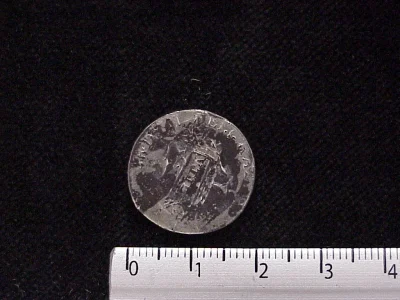
1 Real Luis I 1725: Silver Coin Value
The 1 Real Luis I 1725: Silver Coin Value is worth between $91 and $382 MXN depending on its grade of preservation.
Prices updated: August 2026
Viceroyalty · Mexico City Mint · Assayer D
Viceroyalty · Mexico City Mint · Assayer D
The 1 Real Luis I 1725: Silver Coin Value is worth between $91 and $382 MXN depending on its grade of preservation.
Prices updated: August 2026
How much is the 1 Real Luis I 1725: Silver Coin Value worth?
The estimated value of the 1 Real Luis I 1725: Silver Coin Value ranges from $91 (circulated, XF) up to $382 (official blister pack), with $276 as a reference for an uncirculated (UNC) piece. The estimate is based on the official mintage and the historical behavior of the family.
The real price depends on four factors: the grade of preservation (a circulated piece is worth the low end of the range; an uncirculated one, or one still in its official blister pack, the high end), the finish (satin vs mirror/proof), the rarity within the series based on the mintage, and the metal spot price on the day of the deal when the piece is silver or gold. Check the value-by-grade table above and compare with equivalent pieces before buying or selling.
Where to buy or sell this coin?
Browse the national directory of numismatic shops or the community forum to trade directly with other collectors.
Description
If you inherited or found a 1 Real dated 1725 from the reign of Luis I, you have a genuine piece of colonial Mexican silver, and that alone gives it a floor value. Most worn examples trade in the tens of dollars, but a well-preserved, certified coin from this short reign can reach several hundred dollars. Here is what actually drives the price.
What you actually have
This is a 1 Real coin struck in 1725 at the Mexico City Mint (Casa de Moneda de México), during the Spanish colonial period known as the Virreinato. Luis I is the key detail: he was king of Spain for only a few months in 1724 before his death, so coins tied to his name come from an unusually narrow window. That short reign is part of why collectors pay attention.
The specifications, which matter for both value and authentication:
- Denomination: 1 Real
- Year: 1725 (single year of issue)
- Metal: 0.900 silver (90% pure)
- Weight: 3.3 grams
- Diameter: 17.72 mm
- Mint: Mexico City (Ceca México)
- Assayer: D
- Era: Colonial / Virreinato
Because it is 90% silver, the coin has a built-in floor at its melt value. That floor is small (a coin this size holds roughly a tenth of an ounce of silver), so for a piece like this the collector premium is what matters, not the bullion.
How much is it worth in 2026?
There is no single price for this coin. Value swings dramatically with condition and whether the piece has been professionally graded. Old colonial silver like this often came from hand-hammered or early milled production, so surfaces vary a lot from coin to coin.
| Condition | Realistic value range (USD) |
|---|---|
| Heavily worn / damaged | 15 to 40 dollars |
| Circulated, clear details | 40 to 150 dollars |
| High grade, sharp detail | 150 to 500+ dollars |
| Certified by NGC or PCGS, top grade | Several hundred dollars and up |
These are ranges, not promises. A certified coin almost always sells for more than a raw one of the same apparent quality, because buyers trust the grade and the authenticity check that comes with it. Colonial coins are also a favorite target for counterfeiters, so certification carries extra weight here.
For a full breakdown of how grade affects price, see the Mexican coin grading guide.
Is it rare?
The exact mintage for this issue is not officially documented. That is common for early colonial coinage, where surviving production records are incomplete. What is verifiable is that 1725 is the only year of issue for this specific piece, and the connection to Luis I limits the pool of related coins. That makes it more interesting to collectors than a common circulating peso, but it does not automatically make it worth thousands. Rarity plus demand plus condition sets the price, and for most surviving examples the condition is the deciding factor.
The myth to ignore
"It's from the 1700s, so it must be worth a fortune." Age alone does not make a coin valuable. Plenty of 18th-century silver coins sell for under 50 dollars because they are worn flat and thousands survive. What moves the needle is a strong strike, original surfaces, no cleaning, and ideally a slab from a recognized grader. A cleaned or damaged 1725 Real is worth a fraction of a sharp, untouched one.
How to tell if yours is genuine
Start with the physical specs. An authentic piece should weigh 3.3 grams and measure 17.72 mm across. If your coin is noticeably off on either number, treat it as suspect. Real 0.900 silver also gives a bright, sustained ring when you balance it on a fingertip and tap it gently; base-metal fakes sound dull and short.
Those tests screen out obvious fakes, but they are not conclusive for a coin worth real money. For anything you believe is in high grade, submit it to NGC or PCGS. Their authentication and grading is the definitive answer, and it is what serious buyers want to see before paying a premium.
Where to sell it
Because this is a precious-metal collector coin, sell only to buyers who will inspect it and confirm the weight in front of you. Your safest options:
- A verified coin shop from the Pesoteca dealer directory, which can appraise and buy on the spot.
- The Pesoteca buy-and-sell forum, where you deal directly with collectors.
Before you sell, photograph the front, back, and edge, and check your coin against the value ranges above so you know what a fair offer looks like. Avoid dumping it on a general marketplace to the first bidder, and be cautious with open listing sites where counterfeit colonial coins circulate freely.
Think you have a sharp, unworn example of the 1725 Luis I Real? Post clear photos in the Pesoteca forum and let the community weigh in on grade and authenticity before you decide what to do with it.
Historical context
Extremely rare.
Numismatic type: Cob (macuquino).
This piece belongs to the era
Colonial / Virreinato →Explore all the Mexican coins of this era, their historical context and how they connect to the monetary system of the period.
Value range of this piece
Market estimate: $91 - $382 MXN depending on the grade of preservation (typical range between a circulated and an uncirculated piece).
See the full breakdown by grade (VG, F, VF, EF, AU, MS-60, MS-63, MS-65) for the whole series →
Other denominations from 1725
Reales Coloniales (1/2 a 4 reales) · Plata 0.900
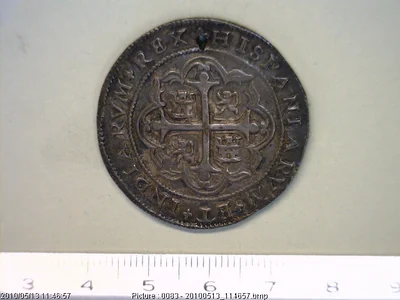
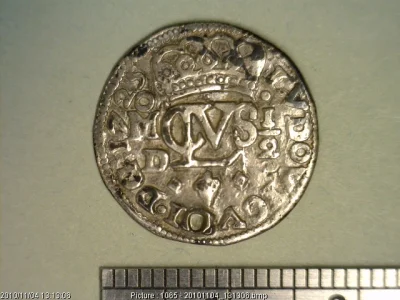
Same denomination, other years
1 real Plata 0.900 · Reales Coloniales (1/2 a 4 reales)
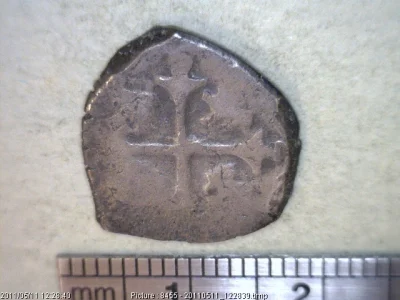
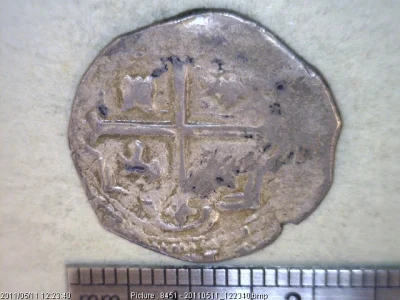
Frequently asked questions
How much is a 1 Real Luis I 1725 worth?
It depends heavily on condition. Worn examples typically sell for 15 to 40 dollars, clear circulated coins for 40 to 150 dollars, and high-grade or NGC/PCGS-certified pieces for several hundred dollars and up. Certified coins always command more than raw ones of similar appearance.
Is the 1 Real Luis I 1725 rare?
The exact mintage is not officially documented, which is normal for early colonial coinage. It was struck only in 1725 and is tied to the very short reign of Luis I, which makes it more collectible than common circulating coins. Rarity matters, but condition is usually what decides the final price.
How do I know if my 1 Real Luis I 1725 is genuine?
An authentic coin weighs 3.3 grams and measures 17.72 mm in diameter; if yours is off on either, be suspicious. Real 0.900 silver rings bright and long when tapped gently, while fakes sound dull and short. For any coin you think is valuable, NGC or PCGS certification is the definitive check.
Where can I sell a 1 Real Luis I 1725?
The safest routes are a verified coin shop from the Pesoteca dealer directory, which can appraise and buy on the spot, or the Pesoteca buy-and-sell forum where you deal directly with collectors. Photograph the front, back, and edge, and compare offers against the value ranges before you sell.
Conversation
0 comments
Sources
Images for informational and educational purposes, attributed to their original source. Reference values; the real price depends on the grade, the specific variant and demand.
Loading comments…