
1/2 Real Luis I 1725: Silver Coin Value
The 1/2 Real Luis I 1725: Silver Coin Value is worth between $43 and $180 MXN depending on its grade of preservation.
Prices updated: August 2026
Viceroyalty · Mexico City Mint · Assayer D
Viceroyalty · Mexico City Mint · Assayer D
The 1/2 Real Luis I 1725: Silver Coin Value is worth between $43 and $180 MXN depending on its grade of preservation.
Prices updated: August 2026
How much is the 1/2 Real Luis I 1725: Silver Coin Value worth?
The estimated value of the 1/2 Real Luis I 1725: Silver Coin Value ranges from $43 (circulated, XF) up to $180 (official blister pack), with $130 as a reference for an uncirculated (UNC) piece. The estimate is based on the official mintage and the historical behavior of the family.
The real price depends on four factors: the grade of preservation (a circulated piece is worth the low end of the range; an uncirculated one, or one still in its official blister pack, the high end), the finish (satin vs mirror/proof), the rarity within the series based on the mintage, and the metal spot price on the day of the deal when the piece is silver or gold. Check the value-by-grade table above and compare with equivalent pieces before buying or selling.
Where to buy or sell this coin?
Browse the national directory of numismatic shops or the community forum to trade directly with other collectors.
Description
If you inherited or found a small silver coin marked "Luis I" dated 1725, you have something with real collector interest, not just melt value. This is a colonial-era Mexican half real struck during one of the shortest reigns in Spanish history, which is exactly why it draws attention. In 2026, examples in decent condition typically trade from a few hundred to over a thousand US dollars depending on grade, and certified high-grade pieces can go higher.
What this coin actually is
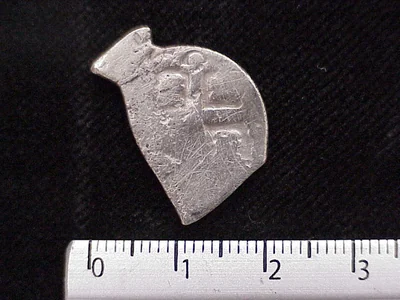
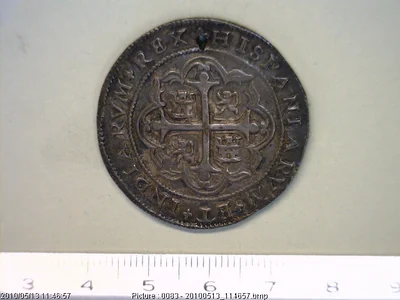
The 1/2 Real Luis I of 1725 was minted at the Casa de Moneda de México (the Mexico City mint) when Mexico was still New Spain under Spanish rule. Luis I was king of Spain for only about seven months in 1724 before dying of smallpox, so coins carrying his name and portrait were produced for a very short window. That short reign is the single biggest reason this piece matters to collectors.
Here are the exact specifications, and they matter for spotting fakes:
- Denomination: 1/2 real (half real)
- Year: 1725, a single year of issue for this type
- Metal: silver, .900 fine (90 percent silver)
- Weight: 1.55 grams
- Diameter: 17 millimeters
- Edge: plain (unmilled)
- Mint: Mexico City (Casa de Moneda de México)
- Era: Colonial / Viceroyalty of New Spain
Because the silver content is tiny (a fraction of a gram of pure silver), the melt value is close to nothing. Nobody buys this coin for its metal. The value is entirely collector-driven, which is the opposite of a modern bullion piece like the Onza Libertad.
What it's worth in USD
The honest answer: it depends heavily on condition and authenticity, and the range is wide. Colonial half reales this old are almost never found in pristine shape. Most surviving examples are worn, and worn colonial silver from Mexico usually sells in the low-to-mid hundreds of dollars. A well-preserved, professionally graded example of a scarce type like this can reach well over a thousand dollars at auction.
| Coin | Year | Approx. value range (USD) | Where it trades |
|---|---|---|---|
| 1/2 Real Luis I | 1725 | 200 to 400 (worn, uncertified) | Coin shows, private sales |
| 1/2 Real Luis I | 1725 | 400 to 1,000+ (higher grade, certified) | Heritage, Stack's Bowers auctions |
Treat these as guidance, not a quote. The specialty auction houses (Heritage Auctions and Stack's Bowers) are where colonial Mexican silver sets its real price, and results swing with condition and how sharp the strike is.
Why the exact mintage is unknown
There is no reliably documented mintage figure for this specific issue, and that is normal for early 18th-century colonial coinage. Mint records from this period are incomplete, and the short Luis I reign means production was limited by circumstance. Collectors sometimes circulate mintage numbers online, but none of them are confirmed. What is verifiable is that Luis I coinage exists in far smaller quantities than the long reigns of Felipe V that bracketed it, and scarcity is what drives the premium.
The myth to avoid
Because the coin is nearly 300 years old, people assume it must be worth a fortune. Age alone does not make a coin valuable. There are Roman coins worth 20 dollars and modern coins worth thousands. What matters here is the combination of a genuinely short-lived issue and condition. A heavily corroded, holed, or cleaned example can be worth a fraction of a clean original, even at the same age. Cleaning a coin to make it "shiny" almost always destroys value.
How to tell if yours is genuine
Counterfeits of colonial Mexican silver exist, so check the basics before you get excited:
- Weigh it. A genuine piece weighs 1.55 grams. A digital jewelry scale settles this fast. If yours is far off, be suspicious.
- Measure it. Diameter should be 17 millimeters. Colonial coins were hand-struck, so shapes are irregular, but the size should be in range.
- Check the edge. It should be plain (unmilled), not reeded like a modern coin.
- Look at wear pattern. Genuine circulated silver wears smoothly on the high points. Cast fakes often show a grainy or pitted surface and soft, mushy detail.
For anything you think might be worth real money, the definitive step is third-party grading. Sending the coin to NGC or PCGS gets you an authenticated, sealed holder with a grade. A certified genuine coin always sells for more and moves faster than a raw one, because the buyer isn't taking a risk. Review our coin grading guide to understand what grade your piece is likely to earn before you spend on certification.
Where to sell it
Your options, roughly best to worst for getting a fair price:
- Specialty auction houses (Heritage, Stack's Bowers). Best for a genuine, well-preserved example. They reach serious world-coin collectors who pay top prices for colonial Mexican silver.
- Verified numismatic dealers. Use the Pesoteca shop directory to find a reputable dealer who can appraise it in person. A real dealer will weigh it and check the edge in front of you.
- Collector marketplaces and forums. The Pesoteca buy-and-sell forum connects you with collectors directly. Photograph the obverse, reverse, and edge, and list the weight.
- General auction sites. You can find buyers, but this is also where fakes circulate most. Only sell (or buy) with clear photos of the edge and a stated weight.
Don't dump it on the first Facebook offer. A genuine 1/2 Real Luis I is scarce enough that it's worth taking a few weeks to reach the right buyer.
Got one and not sure what you have? Post clear photos of both sides and the edge in the Pesoteca forum and let collectors help you pin down the grade and value before you sell.
Historical context
Numismatic type: Cob (macuquino).
Edge: Plain (unworked) edge.
This piece belongs to the era
Colonial / Virreinato →Explore all the Mexican coins of this era, their historical context and how they connect to the monetary system of the period.
Value range of this piece
Market estimate: $43 - $180 MXN depending on the grade of preservation (typical range between a circulated and an uncirculated piece).
See the full breakdown by grade (VG, F, VF, EF, AU, MS-60, MS-63, MS-65) for the whole series →
Other denominations from 1725
Reales Coloniales (1/2 a 4 reales) · Plata 0.900
Frequently asked questions
How much is a 1/2 Real Luis I 1725 worth?
It depends almost entirely on condition and authenticity. Worn, uncertified examples typically sell for 200 to 400 US dollars. Higher-grade pieces that have been professionally certified by NGC or PCGS can reach 1,000 dollars or more at specialty auctions. The silver content is tiny, so the value is collector-driven, not metal-driven.
Is the 1/2 Real Luis I 1725 rare?
Yes, relatively. Luis I ruled Spain for only about seven months before dying in 1724, so coins bearing his name were struck in a very short window. The exact mintage isn't documented, which is common for early 18th-century colonial coinage, but these coins are far scarcer than the long Felipe V reigns before and after, and that scarcity drives the premium.
How can I tell if my 1/2 Real Luis I 1725 is genuine?
Start with the specs: it should weigh 1.55 grams, measure 17 millimeters, and have a plain (unmilled) edge. Cast fakes often show grainy, pitted surfaces and soft detail. For a coin that may be worth real money, the definitive step is sending it to NGC or PCGS for authentication and grading.
Where can I sell a 1/2 Real Luis I 1725?
For a genuine, well-preserved coin, specialty auction houses like Heritage or Stack's Bowers reach the collectors who pay top prices. For a quick appraisal, use the [Pesoteca shop directory](/tiendas) to find a verified dealer, or list it in the [Pesoteca buy-and-sell forum](/foro/compra-venta). Always include clear photos of the obverse, reverse, and edge, plus the weight.
Conversation
0 comments
Sources
Images for informational and educational purposes, attributed to their original source. Reference values; the real price depends on the grade, the specific variant and demand.
Loading comments…