
Mexican 10 Centavos 2011 (Stainless Steel): Value Guide
Prices updated: August 2026
Centavos stainless steel 2011.
Centavos stainless steel 2011.
Design
Banxico
Reverse
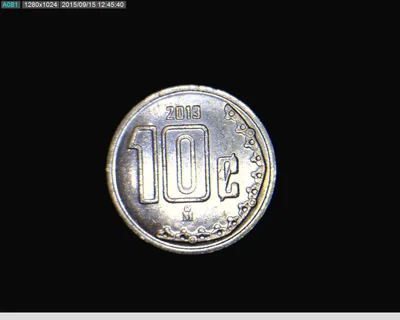
Reverse of the 10 Stainless Steel 2011 piece. Detail of the die cataloged by Banxico in its Numismatic Collection.
Obverse
Obverse with the Mexican National Coat of Arms and the legend "ESTADOS UNIDOS MEXICANOS" per official convention. Struck by the Mexican Mint under Banxico decree.
How much is the Mexican 10 Centavos 2011 (Stainless Steel): Value Guide worth?
The market value of the Mexican 10 Centavos 2011 (Stainless Steel): Value Guide is not yet documented with enough data to give a firm range. Weigh and measure your piece, compare it against the specifications, and check the forum for a second opinion.
The real price depends on four factors: the grade of preservation (a circulated piece is worth the low end of the range; an uncirculated one, or one still in its official blister pack, the high end), the finish (satin vs mirror/proof), the rarity within the series based on the mintage, and the metal spot price on the day of the deal when the piece is silver or gold. Check the value-by-grade table above and compare with equivalent pieces before buying or selling.
Where to buy or sell this coin?
Browse the national directory of numismatic shops or the community forum to trade directly with other collectors.
Description
If you found a Mexican 10 centavos coin dated 2011, here's the honest answer: in circulated condition it's worth about its face value, roughly half a US cent. It is not rare and it is not silver. The only versions that fetch a small premium are pristine, uncirculated pieces or genuine mint errors, and even those stay in the low single-dollar range.
This is one of the most common modern Mexican coins in existence. Millions were struck at the Casa de Moneda de México, the national mint, for everyday circulation. So before you get your hopes up from a headline about "valuable Mexican coins," this small silver-colored piece is almost certainly not the one making auction records.
What this coin actually is
The 10 centavos (ten hundredths of a peso) is one of the lowest denominations in Mexico's modern currency system. The 2011 issue was struck in stainless steel, which is why it has a cool, gray-silver look rather than the warmer tone of older copper-nickel coins. Mexico switched these small denominations to steel to lower production costs, not because the metal is valuable.
| Spec | Detail |
|---|---|
| Denomination | 10 centavos |
| Year | 2011 |
| Metal | Stainless steel (no silver, no gold) |
| Weight | 2.08 grams |
| Diameter | 17 mm |
| Edge | Plain (smooth) |
| Mint | Casa de Moneda de México |
The design follows the standard line used for Mexican circulation coinage since the 1990s: the national coat of arms (an eagle on a cactus, devouring a serpent) on the obverse, with the denomination on the reverse.
Is it worth anything?
For a US reader thinking in dollars, the reality is simple. Ten centavos is a tenth of one peso, so at any recent exchange rate a single coin is worth a fraction of a US cent. As a collectible, a worn 2011 example is worth essentially nothing beyond its face value.
Where a small premium appears:
- Uncirculated condition. A coin that never entered circulation, with full steel luster and no spotting, is worth more than a scratched, dull one. Stainless steel resists corrosion but still picks up marks and haze over time. A crisp, spot-free example can sell for a dollar or two to a collector building a date set.
- Genuine mint errors. Off-center strikes, die rotation, double strikes, and other true manufacturing errors can multiply the value. Most "errors" people post online are actually post-mint damage (dings, corrosion, scratches), which add nothing.
This is a coin collectors chase to complete a year-by-year run of modern circulation coinage, not because any single date is scarce.
The ones people think are worth millions but aren't
Small stainless steel centavos like this get lumped into "old Mexican coins worth money" searches, but they don't belong there. The Mexican coins that break records are older silver and gold pieces: the Centenario (a 50 pesos gold coin), early silver pesos, and rare colonial issues. A modern 10 centavos from 2011 is not one of them. If a listing tells you this exact coin is worth hundreds of dollars, it's either an error variety being verified or, more often, wishful pricing.
How to check what yours is worth
- Confirm it's genuine and standard. Weigh it on a jewelry scale (should be about 2.08 grams) and measure the diameter with calipers (about 17 mm). Fakes tend to have the wrong weight or diameter, flat relief, or uneven surfaces.
- Grade the condition. Compare your coin to reference photos of uncirculated versus circulated examples. Full luster and no spots means a small premium; wear and haze means face value.
- Look for real errors, carefully. Off-center strikes and doubled dies are the ones that matter. Corrosion, scratches, and edge dings are damage, not value.
- Get a second opinion before selling. Photograph the obverse, reverse, and edge in good light. Post it in the Pesoteca forum so collectors can confirm whether it's a standard piece or something worth more.
Where to sell it
For a common modern coin, the smart route is a verified dealer from the Pesoteca shop directory, who can appraise it on the spot and won't apply an inflated markup, or the Pesoteca buy-and-sell forum, where you deal directly with collectors who actually want date runs. Skip dumping it to the first bidder on social media. If you have a full set of modern centavos rather than a single coin, that complete run is easier to sell than one loose piece.
Have a 2011 ten centavos with what looks like an off-center strike or doubling? Post clear photos in the Pesoteca forum and let the community tell you if it's a real error or just wear.
Historical context
This 2011 10-centavos piece belongs to family B without the N$ prefix issued by Banxico. The 10 centavos is the most-used fractional step in Mexico. It shows up when paying cash bills with an odd price and as change at supermarkets, tortilla shops, and pharmacies. Its national eagle + denomination + year side is among the most familiar to the everyday Mexican.
Stainless steel made it corrosion-resistant and cheap to strike. The piece replaced the copper-nickel of the earlier generations in the old peso system.
In 2011 annual inflation closed at 3.8% according to INEGI, and the average exchange rate was 12.43 pesos per dollar according to Banxico's FIX. The Movement for Peace with Justice and Dignity was led by Javier Sicilia after the death of his son. The peso closed the year above 13 per dollar due to the European debt crisis. The country was under the presidency of Felipe Calderón Hinojosa (PAN).
Catalog reference: KM#934. The piece is part of the official Banxico Numismatic Collection catalog and follows the convention of the PSM System, one ID per distinct physical piece, not per design shared with other years of the same series.
This piece belongs to the era
Nuevos Pesos y actualidad →Explore all the Mexican coins of this era, their historical context and how they connect to the monetary system of the period.
Value range of this piece
Value range without enough data for this piece.
See the full breakdown by grade (VG, F, VF, EF, AU, MS-60, MS-63, MS-65) for the whole series →
Same denomination, other years
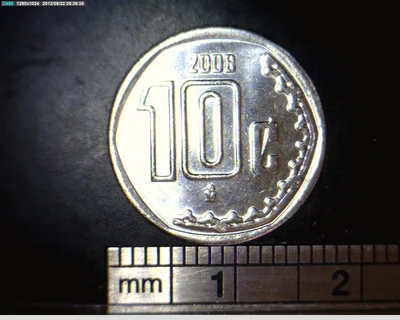
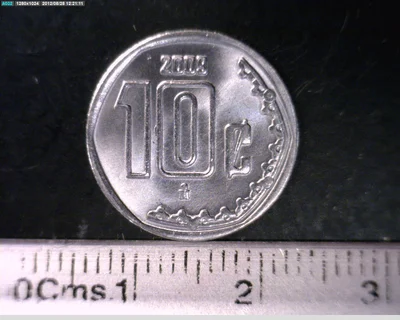
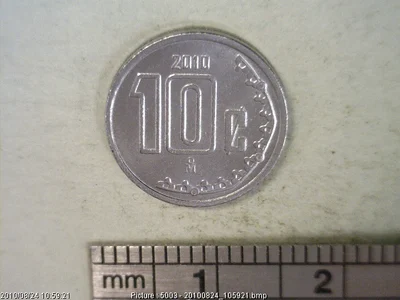
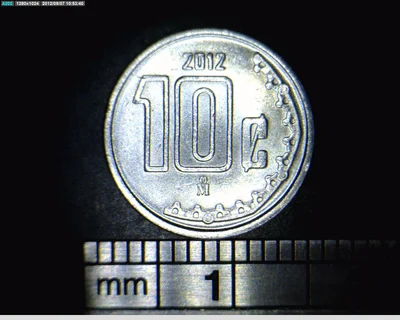
10 centavos Acero inoxidable · 10 Centavos Acero Inoxidable
Frequently asked questions
How much is a 2011 Mexican 10 centavos worth?
In circulated condition it's worth about its face value, a fraction of a US cent. A pristine, uncirculated example with full steel luster and no spots can bring a dollar or two from a collector completing a date set. Only a verified mint error would push it higher.
Is the 2011 Mexican 10 centavos rare or made of silver?
No on both counts. It's struck in stainless steel, not silver or gold, and millions were made at the Casa de Moneda de México for everyday use. It's one of the most common modern Mexican coins.
Where can I sell a 2011 Mexican 10 centavos?
For a common coin, use a verified dealer from the [Pesoteca shop directory](/tiendas), who can appraise it instantly, or the [buy-and-sell forum](/foro/compra-venta) where collectors want full date runs. Photograph the obverse, reverse, and edge first, and avoid selling to the first random bidder online.
How can I tell if my 2011 10 centavos is genuine?
Weigh it (about 2.08 grams) on a jewelry scale and measure the diameter (about 17 mm) with calipers, then compare to the specs above. Fakes usually have the wrong weight or size, flat relief, or uneven surfaces.
Conversation
0 comments
Loading comments…