
2 Reales Carlos II 1665: Colonial Silver Value
The 2 Reales Carlos II 1665: Colonial Silver Value is worth between $187 and $1,182 MXN depending on its grade of preservation.
Prices updated: August 2026
Viceroyalty · Mexico City Mint
Viceroyalty · Mexico City Mint
The 2 Reales Carlos II 1665: Colonial Silver Value is worth between $187 and $1,182 MXN depending on its grade of preservation.
Prices updated: August 2026
How much is the 2 Reales Carlos II 1665: Colonial Silver Value worth?
The estimated value of the 2 Reales Carlos II 1665: Colonial Silver Value ranges from $187 (circulated, XF) up to $1,182 (official blister pack), with $820 as a reference for an uncirculated (UNC) piece. The estimate is based on the official mintage and the historical behavior of the family.
The real price depends on four factors: the grade of preservation (a circulated piece is worth the low end of the range; an uncirculated one, or one still in its official blister pack, the high end), the finish (satin vs mirror/proof), the rarity within the series based on the mintage, and the metal spot price on the day of the deal when the piece is silver or gold. Check the value-by-grade table above and compare with equivalent pieces before buying or selling.
Where to buy or sell this coin?
Browse the national directory of numismatic shops or the community forum to trade directly with other collectors.
Description
If you inherited or found an old Mexican silver coin marked around 1665 under Carlos II, here is the direct answer: most circulated examples of Spanish colonial silver from this era trade in the low hundreds of dollars, while sharp, certified pieces can bring several thousand. The value comes from the silver content, the age, and the grade, not from a mint mark alone.
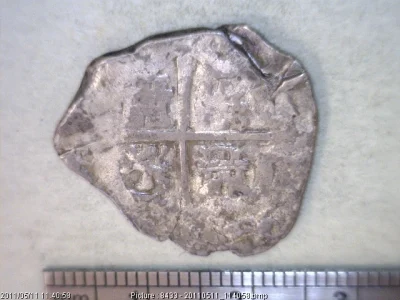
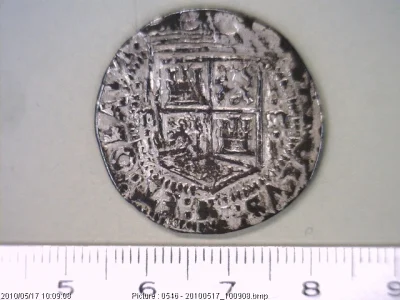
The 2 Reales was a small silver denomination struck at the Casa de Moneda de México (the Mexico City Mint), one of the oldest mints in the Americas. Coins from this period are known to collectors as macuquinas or "cobs": hand-struck, irregular pieces cut and hammered from silver bars. That irregular, off-round look is normal and does not mean the coin is damaged or fake.
What a 2 Reales Carlos II 1665 is worth in 2026
Value is driven by three things: the actual silver in the coin, the grade (how worn it is), and whether it can be authenticated. Colonial cob silver has no single "catalog price" because each hand-struck piece is different, but here is the honest range.
| Condition | What you're looking at | Approximate value (USD) |
|---|---|---|
| Heavily worn / corroded, unclear detail | Sells mostly for the silver | 40 to 120 |
| Circulated, clear date and shield | Collectible colonial silver | 150 to 500 |
| Strong strike, full legends, certified | Sought after by cob collectors | 800 to several thousand |
| Rare variety or shipwreck-provenance, certified | Premium material | 3,000 and up |
These are ranges, not promises. A cob's price swings hard on how much of the design survived the strike and the centuries. Two coins of the same year and denomination can be worth ten times apart based on eye appeal and certification.
The metal: what's actually in it
This piece was struck in silver 0.900 (90% pure), weighs 6.8 grams, and measures about 30 millimeters across, with a plain (unlettered) edge. That means each coin holds roughly 6.1 grams of pure silver. At current silver prices, the metal alone gives the coin a floor value: it will never be worth less than its melt value, which is why even a beat-up example still sells for something.
Don't trust weight and diameter blindly on cobs. Hand-struck coins vary, but a piece that comes in dramatically light or off-size is a red flag. Genuine silver also has a distinct high, ringing tone when tapped gently, while cast fakes sound dull and flat.
Is it rare?
Exact mintage figures for 17th-century Mexican colonial issues were not systematically recorded, so no one can quote you a firm production number. Rarity is judged by survivors: how many still exist and in what shape. Well-preserved 2 Reales cobs with a clear 1665 date and readable Carlos II legends are genuinely scarce, and that scarcity is where the real money sits. Worn, date-less cobs are common and cheap.
There are also die varieties (letter positions, minor engraving differences) that specialists at NGC or PCGS can identify. For a casual seller, those distinctions rarely matter unless a grader flags them.
How to tell if yours is genuine
Counterfeits of colonial silver exist, ranging from crude cast copies to convincing modern forgeries. Before you sell or buy:
- Weigh it. It should be near 6.8 grams. A modern cast fake in the wrong alloy will usually miss this.
- Check the edge and surfaces. Cast fakes often show seams, bubbles, or a grainy texture. Genuine hammered cobs show sharp, uneven strike pressure.
- Do the ring test. Balance it on a fingertip and tap gently: real silver rings clear and long.
- Get it certified for anything valuable. If you think your coin could clear a few hundred dollars, send it to NGC or PCGS. A certified holder is the difference between a hopeful listing and a confident sale.
Use our coin grading guide to place your piece on the scale before you shop it around. This coin belongs to the broader Colonial Reales series (1/2 to 4 reales) if you want to compare related denominations.
Where to sell it
For colonial silver, buyer trust matters more than convenience. Your best options:
- A verified numismatic dealer who can weigh and appraise the coin in front of you.
- Established US auction houses (Heritage Auctions, Stack's Bowers) if the coin is certified and worth over a few hundred dollars. They reach the collectors who pay top figures for cobs.
- Collector marketplaces and forums, where you should always post clear photos of the front, back, and edge, plus the exact weight.
Avoid dumping a colonial silver piece at a pawn shop or a general "we buy gold" counter. They pay melt value and pocket the numismatic premium. Photograph the coin properly, check the grade ranges above, and never sell to the first lowball offer.
Have a 1665 cob and not sure whether it's the real thing? Post clear photos of both sides and the edge in the Pesoteca forum and let collectors who handle colonial silver weigh in before you sell.
Historical context
This piece was struck in 1665 under Carlos II of Spain (1665-1700), last king of the House of Austria. That year coincided with the death of Felipe IV in September and with the accession of the child Carlos II under the regency of his mother Mariana of Austria. The viceroy of New Spain was Antonio Sebastián de Toledo, Marquis of Mancera.
The numismatic type is a cob, with planchets clipped with shears and struck by hammer. The 2 reales denomination theoretically weighed 6.77 grams with a silver fineness of 0.9028 (early) / 0.903 (late). The 2 reales, also called a peseta, was a medium purchase coin in New Spain: weekly pay for muleteers, a laborer's day's wage and purchases in the central market.
The piece shows no legible assayer's initials, a common situation in late Habsburg cobs due to intense commercial use and the rough nature of the hammer-striking process.
In the numismatic market, Carlos II cobs are hunted by collectors of the late Habsburgs. When buying at par, it is advisable to check the edge, look for the cross and shield to be legible, and compare prices against a public reference before accepting a coyote markup.
This piece belongs to the era
Colonial / Virreinato →Explore all the Mexican coins of this era, their historical context and how they connect to the monetary system of the period.
Value range of this piece
Market estimate: $187 - $1,182 MXN depending on the grade of preservation (typical range between a circulated and an uncirculated piece).
See the full breakdown by grade (VG, F, VF, EF, AU, MS-60, MS-63, MS-65) for the whole series →
Same denomination, other years
2 reales Plata 0.900 · Reales Coloniales (1/2 a 4 reales)
Frequently asked questions
How much is a 2 Reales Carlos II 1665 worth?
It depends heavily on grade and preservation. Heavily worn examples often sell for 40 to 120 USD, mostly for their silver content. A circulated coin with a clear date and shield runs 150 to 500 USD, and a strong, certified example can reach several thousand. For a firm number, get your specific piece appraised by a numismatic dealer or send it to NGC or PCGS.
How do I tell if my 2 Reales Carlos II 1665 is genuine?
It should weigh about 6.8 grams and measure roughly 30 millimeters. Genuine silver rings clear and long when tapped gently on a fingertip, while cast fakes sound dull and short. Watch for edge seams, bubbles, or grainy surfaces that signal a cast copy. For anything valuable, certification from NGC or PCGS is the definitive answer.
Is a 2 Reales Carlos II 1665 rare?
Mintage figures for 17th-century Mexican colonial coins were not systematically recorded, so no firm number exists. Rarity is judged by survivors: well-preserved cobs with a clear 1665 date and readable Carlos II legends are genuinely scarce and command real premiums, while worn, date-less examples are common and inexpensive.
Where can I sell a 2 Reales Carlos II 1665?
For colonial silver, use a verified numismatic dealer who can appraise it in person, or a major US auction house like Heritage or Stack's Bowers if the coin is certified and worth more than a few hundred dollars. Avoid pawn shops and general gold-buying counters, which pay only melt value. Always show clear photos of both sides, the edge, and the exact weight.
Conversation
0 comments
Sources
Images for informational and educational purposes, attributed to their original source. Reference values; the real price depends on the grade, the specific variant and demand.
Loading comments…