
1813 Mexican 8 Reales Silver (War of Independence): Value Guide
The 1813 Mexican 8 Reales Silver : Value Guide is worth between $774 and $3,257 MXN depending on its grade of preservation.
Prices updated: August 2026
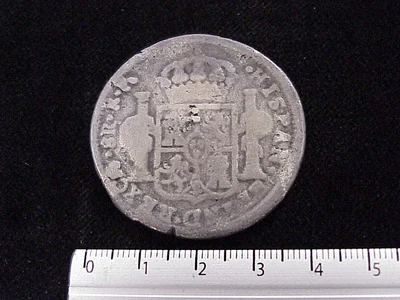
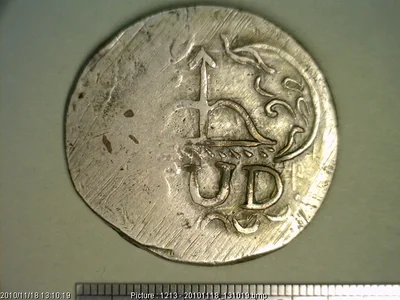
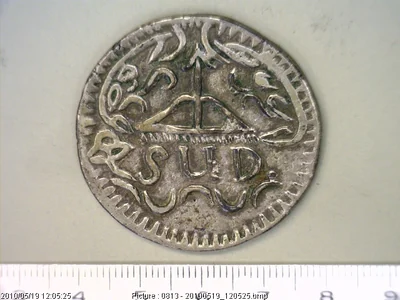
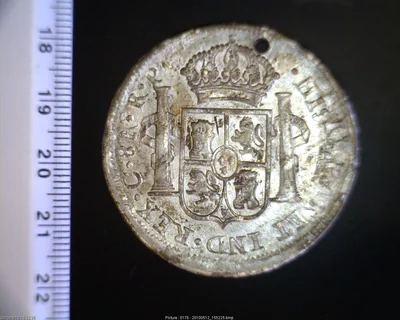
Morelos cast.
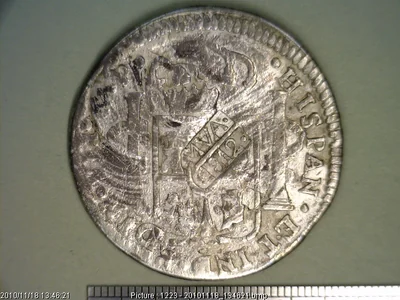
Morelos cast.
The 1813 Mexican 8 Reales Silver : Value Guide is worth between $774 and $3,257 MXN depending on its grade of preservation.
Prices updated: August 2026
How much is the 1813 Mexican 8 Reales Silver (War of Independence): Value Guide worth?
The estimated value of the 1813 Mexican 8 Reales Silver (War of Independence): Value Guide ranges from $774 (circulated, XF) up to $3,257 (official blister pack), with $2,354 as a reference for an uncirculated (UNC) piece. The estimate is based on the official mintage and the historical behavior of the family.
The real price depends on four factors: the grade of preservation (a circulated piece is worth the low end of the range; an uncirculated one, or one still in its official blister pack, the high end), the finish (satin vs mirror/proof), the rarity within the series based on the mintage, and the metal spot price on the day of the deal when the piece is silver or gold. Check the value-by-grade table above and compare with equivalent pieces before buying or selling.
Where to buy or sell this coin?
Browse the national directory of numismatic shops or the community forum to trade directly with other collectors.
Description
Most 1813 Mexican 8 Reales are worth their silver content plus a modest collector premium, roughly USD 40 to a few hundred dollars depending on which one you have and its condition. A few scarce varieties from the War of Independence period climb into the low thousands. Here is what actually drives the value, and how to figure out what yours is worth in 2026.
What you actually have
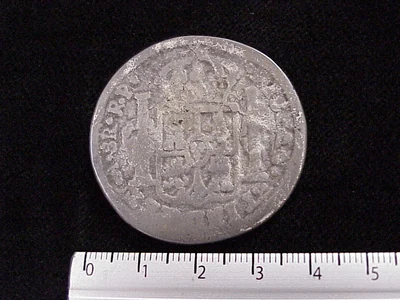
The 8 Reales was the classic Spanish colonial silver dollar, the coin that circulated across the Americas and even in the early United States. An 1813-dated piece was struck during the Mexican War of Independence (1810 to 1821), a chaotic period when both royalist mints and insurgent forces produced coinage.
That date matters. "1813 8 Reales" is not one coin. It covers several very different pieces:
- Royalist mint issues (Mexico City, Zacatecas, Chihuahua, Durango and others) struck under Spanish authority. These are the ones most people inherit.
- Insurgent and provisional issues, including crude locally-made coins tied to leaders like José María Morelos. Genuine insurgent pieces are far scarcer and can be worth substantially more, but they are also the most heavily faked.
Before you assume yours is a rare Morelos issue, read the value ranges below. The common royalist coins are the base case.
Specifications (verify yours against these)
| Spec | Value |
|---|---|
| Denomination | 8 Reales |
| Date | 1813 |
| Weight | 28.11 grams |
| Diameter | 40.19 mm |
| Metal | Silver, .900 fine (90% silver) |
| Edge | Reeded |
| Era | Spanish Colonial / Viceroyalty |
A weight and diameter check is your first authenticity test. Grab a jewelry scale and a caliper. If your coin is well off 28.11 grams or 40.19 mm, treat it as suspect until proven otherwise. Cast fakes and modern replicas usually miss on weight, edge detail, or both.
What it's worth in 2026
The floor is the silver. At 28.11 grams of .900 fine silver, each coin holds roughly 0.81 troy ounces of pure silver. That gives you a melt value that moves with the spot price, currently in the range of USD 20 to 30 in raw metal. No 1813 8 Reales in one piece with legible detail should sell for less than its melt.
Above melt, value depends on:
- Which mint and variety it is. Common Mexico City royalist coins sit near the low end. Scarcer mints and genuine insurgent issues command real premiums.
- Grade. A worn, cleaned coin is worth melt plus a small collector bump. A sharp, original-surface example is worth many times that.
- Authenticity and certification. A coin graded by NGC or PCGS sells for far more than an ungraded one, because buyers trust it.
As a working guide for a common royalist 1813 8 Reales:
| Condition | Rough value (USD) |
|---|---|
| Heavily worn, cleaned, or damaged | 30 to 60 (near melt) |
| Moderate wear, original surfaces | 75 to 200 |
| Lightly circulated, attractive | 200 to 500 |
| Scarce mint or variety, high grade | 500 to several thousand |
Genuine, certified insurgent pieces are a separate market and can run well into four figures. If you think you have one, do not sell it as scrap. Get it authenticated first.
For a full walkthrough of grading, see the coin condition grading guide, and check where this piece sits in the 8 Reales silver Independence series.
The myth to kill
"It's over 200 years old, so it must be worth a fortune." Age alone does almost nothing here. The 8 Reales was struck by the millions and circulated for decades. Millions survive. What separates a USD 40 coin from a USD 4,000 coin is rarity of the specific mint or variety, grade, and provable authenticity, not the date on the front.
The genuinely valuable exceptions are the scarce insurgent and provisional issues, and top-grade examples of even common types. Everything else is a nice, tangible piece of history worth a modest premium over its silver.
How to check what yours is worth
- Weigh and measure it. Compare against the specs table. This filters out obvious fakes fast.
- Identify the mint and assayer. Colonial coins carry a mint mark and assayer initials. These determine which variety you have and, therefore, the price band. Post clear photos of both sides if you can't read them.
- Assess the grade honestly. Do not clean the coin. Cleaning destroys value on colonial silver. Original surfaces, even toned ones, are worth more than a shiny scrubbed coin.
- Get it certified if it might be scarce. For anything you suspect is a better mint, high grade, or insurgent issue, NGC or PCGS grading pays for itself.
Where to sell it
Your best options, in order of safety:
- A verified numismatic shop from the Pesoteca directory that will appraise it on the spot and pay fairly for the metal plus premium.
- The Pesoteca buy-and-sell forum, where collectors who understand colonial silver actually bid on it.
Because this is a precious-metal coin, only deal with buyers who let you show weight and detail before payment, and photograph the obverse, reverse, and edge before you list it. Don't dump it on a general marketplace to the first offer. A common royalist coin is one thing, but if you unknowingly have a scarce variety, a scrap buyer will happily pay you melt for a four-figure piece.
Not sure which 1813 variety you're holding? Post photos of both sides and the edge in the Pesoteca forum and let collectors pin down the mint before you decide to sell.
Historical context
This 8 reales silver piece corresponds to 1813, in the full Morelos stage (Congress of Chilpancingo) of the Mexican War of Independence. In 1813 Morelos took Acapulco (August) and convened the Congress of Chilpancingo (September 14), where he presented the Sentiments of the Nation. Felix María Calleja assumed the viceroyalty in March.
The piece does not declare a specific mint in the slug. During the war, pieces from the central Mexico mint circulated alongside provincial royalist issues (Chihuahua, Zacatecas, Durango, Guadalajara, Guanajuato) and insurgent issues (Zitacuaro, Sultepec, Chilpancingo, insurgent Oaxaca). Issuing side: undeclared. The silver fineness was 0.903 and the theoretical weight 27.07 grams, within the octaval system inherited from the viceroyalty.
The 1813 issues coincide with the Congress of Chilpancingo convened by Morelos and with the promulgation of the Sentiments of the Nation, the first formal political document of the Independence.
In the numismatic market they are hunted by collectors of military history and the nation's origins. When buying peer to peer, verify the authenticity of the planchet and the declared mint. Many common pieces are sold as "war rarities" without being so: consult the Krause reference before accepting a middleman's markup.
This piece belongs to the era
Colonial / Virreinato →Explore all the Mexican coins of this era, their historical context and how they connect to the monetary system of the period.
Value range of this piece
Market estimate: $774 - $3,257 MXN depending on the grade of preservation (typical range between a circulated and an uncirculated piece).
See the full breakdown by grade (VG, F, VF, EF, AU, MS-60, MS-63, MS-65) for the whole series →
Other denominations from 1813
misc-8 Reales Plata Independencia · Plata 0.900
Same denomination, other years
8 reales Plata 0.900 · misc-8 Reales Plata Independencia
Frequently asked questions
How much is an 1813 Mexican 8 Reales silver coin worth?
A common royalist 1813 8 Reales is worth roughly USD 30 to 60 when worn or cleaned (near its silver melt value), USD 75 to 200 with moderate wear and original surfaces, and USD 200 to 500 for attractive lightly circulated examples. Scarce mints, top grades, and genuine insurgent issues can reach several thousand dollars. Each coin holds about 0.81 troy ounces of pure silver, which sets the price floor.
Is the 1813 8 Reales rare?
The common royalist issues (especially Mexico City) are not rare. They were struck by the millions and many survive, so age alone doesn't make them valuable. The genuinely scarce pieces are the insurgent and provisional War of Independence issues and high-grade examples of any mint. Value is driven by the specific mint, variety, and grade, not the 1813 date.
How can I tell if my 1813 8 Reales is genuine?
Start by weighing and measuring it: it should be 28.11 grams and 40.19 mm with a reeded (grooved) edge. Fakes usually miss on weight or edge detail. Then check the mint mark, assayer initials, and engraving style, since colonial silver is heavily counterfeited. Be suspicious of any coin selling well below its silver value. For anything possibly scarce, get it certified by NGC or PCGS.
Where can I sell an 1813 8 Reales silver coin?
The safest routes are a [verified numismatic shop from the Pesoteca directory](/tiendas), which will appraise it in person, or the [Pesoteca buy-and-sell forum](/foro/compra-venta) among collectors. Photograph the front, back, and edge first, and confirm which variety you have before selling. Avoid selling to a general scrap or online buyer at the first offer, since a scarce variety can be worth far more than melt.
Conversation
0 comments
Sources
Images for informational and educational purposes, attributed to their original source. Reference values; the real price depends on the grade, the specific variant and demand.
Loading comments…