
8 Reales SUD OXA Oaxaca 1814: Value & How to Sell
Prices updated: August 2026
Insurgents · Late provincial Oaxaca · KM 240
Insurgents · Late provincial Oaxaca · KM 240
Design
Banxico
Reverse
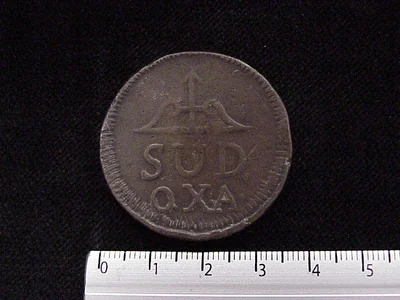
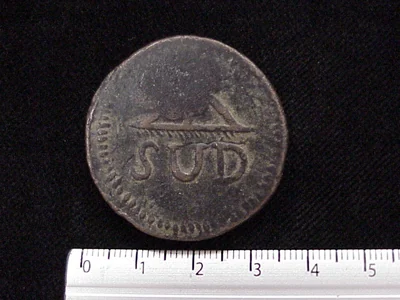
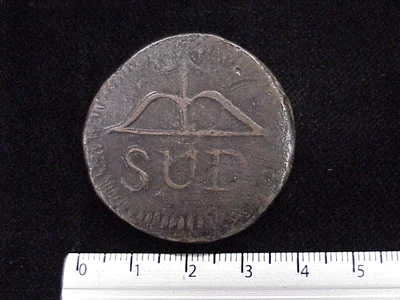
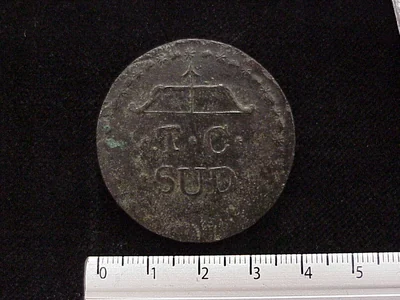
"SUD" monogram among ornamentation. Year of striking. The regional variants add the initials TC, OXA or OAXACA according to the issuing house. Some varieties carry later countermarks (chops) applied through circulation in Asia.
Obverse
Bow, arrow and stylized "M" monogram of Morelos. Inscription "AMÉRICA MORELOS" or a regional variant depending on the mint. Piece cast or struck according to material (the copper versions are usually struck; the silver ones cast).
How much is the 8 Reales SUD OXA Oaxaca 1814: Value & How to Sell worth?
The market value of the 8 Reales SUD OXA Oaxaca 1814: Value & How to Sell is not yet documented with enough data to give a firm range. Weigh and measure your piece, compare it against the specifications, and check the forum for a second opinion.
The real price depends on four factors: the grade of preservation (a circulated piece is worth the low end of the range; an uncirculated one, or one still in its official blister pack, the high end), the finish (satin vs mirror/proof), the rarity within the series based on the mintage, and the metal spot price on the day of the deal when the piece is silver or gold. Check the value-by-grade table above and compare with equivalent pieces before buying or selling.
Where to buy or sell this coin?
Browse the national directory of numismatic shops or the community forum to trade directly with other collectors.
Description
If you inherited an 8 Reales SUD OXA dated 1814, you may be holding one of the most sought-after pieces in Mexican numismatics. This is not an ordinary old peso. It is an insurgent coin struck during the Mexican War of Independence, and genuine examples in solid condition trade from a few hundred dollars into the low thousands in USD. The catch: this exact type is heavily counterfeited, so authenticity is everything.
What you actually have
The 8 Reales SUD OXA is a silver-era coin minted in 1814 in Oaxaca, in southern Mexico, by the insurgent forces fighting Spanish colonial rule. The letters OXA mark the Oaxaca mint. The word SUD (Spanish for "South") identifies coinage ordered by the southern insurgent army under José María Morelos, who took Oaxaca in late 1812.
These were emergency coins. The rebels had no access to the official Mexico City mint, so they struck money with limited tools and crude methods to pay troops and keep trade alive in territory they controlled. That is why real examples look rough and vary a lot from piece to piece. That crudeness is normal and expected, not a defect.
Specifications
| Feature | Detail |
|---|---|
| Denomination | 8 Reales |
| Year | 1814 |
| Mint | Oaxaca (OXA) |
| Issuer | Insurgent forces (SUD) |
| Weight | 26 grams |
| Diameter | 38 millimeters |
| Edge | Plain (smooth) |
Check the weight on a jewelry scale and the diameter with calipers before anything else. If your coin is far off 26 grams or 38 millimeters, that is an immediate red flag.
What it is worth in USD
Insurgent SUD coinage sits among the most collected material in Mexican numismatics because it ties directly to the independence struggle and it is genuinely scarce. Value depends on four things: authenticity, condition, sharpness of the legends, and documented provenance.
Genuine, circulated examples typically bring several hundred dollars. Pieces with clear legends, honest wear, and a solid strike move into four figures. Examples with certified authentication and documented ownership history reach the top of the range at auction. Because condition and eye appeal swing the number so much, treat any single "price" you see online as one data point, not the market.
One warning that matters more here than on almost any other Mexican coin: this type has been reproduced for well over a century. Some fakes are old enough to fool casual buyers. A genuine 1814 SUD OXA is worth real money. A modern or period copy is worth close to nothing. That gap is why authentication comes before you talk price.
The myth to avoid
A rough, hand-struck look does not automatically mean "ancient and priceless." It also does not mean "fake." Both genuine coins and counterfeits look crude. The only reliable path is expert examination of the engraving style, the mint mark, the assayer marks, and the metal, not a gut call from a phone photo. Do not overpay for a fake and do not sell a real one for scrap.
How to tell if yours is genuine
- Weigh and measure it. Compare against 26 grams and 38 millimeters. Off-spec pieces are suspect.
- Study the engraving and marks. Look at the die style, the OXA mint mark, and the assayer initials. Counterfeits often get these details wrong.
- Get it authenticated. For a coin this faked, professional certification (NGC or PCGS) is the difference between a maybe and a confirmed genuine piece with a grade. Certification also raises the resale price.
- Post clear photos for a second opinion. Sharp images of the front (obverse), back (reverse), and edge let experienced collectors flag problems fast.
If you think you have a mint error (off-center strike, die rotation, doubling), be skeptical. Most "errors" people find in old coins are post-mint damage: dings, corrosion, cleaning marks. A true, verifiable striking error can add value, but on a hand-struck insurgent coin, damage and irregularity are far more common than genuine errors.
Where to sell it
Do not dump a coin like this on the first buyer in a Facebook group. For an insurgent piece with real upside, use channels that pay fair market value:
- A verified numismatic dealer from the Pesoteca directory, who can appraise it in person and confirm authenticity.
- The Pesoteca buy-and-sell forum, where collectors who actually want this material compete for it.
- For high-grade or certified examples, a major auction house reaches serious buyers of Mexican independence coinage.
Photograph the obverse, reverse, and edge before you list or sell, and get authentication first if there is any doubt. On a coin this counterfeited, proof of authenticity often matters more than condition.
Not sure whether your 1814 SUD OXA is the real thing or a period copy? Post your photos in the Pesoteca forum and let collectors who handle insurgent coinage weigh in before you buy or sell.
Historical context
During the War of Independence (1810-1821), the insurgency under Morelos established a parallel administration in the south of New Spain. The insurgent mints struck their own coinage both to pay the troops and to legitimize the alternative government. The SUD pieces were struck mainly in copper owing to the scarcity of silver in insurgent zones, though there are silver versions (cast) in some variants. The SUD monogram combines the letters S-U-D among ornamentation according to the issuing house. The capture of Morelos in 1815 marked the end of most of these issues. Today the SUD pieces are highly sought after by collectors and institutions for their historical and symbolic value: they represent the first official money of independent Mexico, predating even the First Empire of Iturbide.
This piece belongs to the era
Colonial / Virreinato →Explore all the Mexican coins of this era, their historical context and how they connect to the monetary system of the period.
Value range of this piece
Value range without enough data for this piece.
See the full breakdown by grade (VG, F, VF, EF, AU, MS-60, MS-63, MS-65) for the whole series →
Other denominations from 1814
8 Reales Coloniales · Cobre
Same denomination, other years
8 reales Cobre · 8 Reales Coloniales
Frequently asked questions
How much is the 8 Reales SUD OXA Oaxaca 1814 worth?
A genuine example is worth from several hundred dollars in circulated condition up into the low thousands in USD for sharp, well-preserved pieces with documented provenance. Value hinges on authenticity, condition, and clear legends. A copy or counterfeit is worth almost nothing, which is why authentication comes first.
Is the 1814 SUD OXA insurgent coin rare?
Yes. It was struck in Oaxaca by insurgent forces under Morelos with limited tools during the War of Independence, so surviving genuine examples are scarce and heavily collected. That scarcity, plus its historical link, is why it commands strong prices when authentic.
How do I tell if my 8 Reales SUD OXA is genuine?
Weigh it (should be about 26 grams) and measure it (about 38 millimeters), then study the engraving style, the OXA mint mark, and assayer marks. This type is heavily counterfeited, so professional certification from NGC or PCGS is strongly recommended before you buy or sell. You can also post photos of the obverse, reverse, and edge in the Pesoteca forum for a second opinion.
Where can I sell an 8 Reales SUD OXA Oaxaca 1814?
Use a verified numismatic dealer from the Pesoteca directory for an in-person appraisal, or the Pesoteca buy-and-sell forum to reach collectors who want insurgent coinage. For high-grade or certified pieces, a major auction house draws serious buyers. Get it authenticated first and avoid selling to the first bidder in a Facebook group.
Conversation
0 comments
Sources
Images for informational and educational purposes, attributed to their original source. Reference values; the real price depends on the grade, the specific variant and demand.
Loading comments…