
En resumen
The 1890 Grand Watermelon note set the record at 3.29 million dollars. The most valuable banknotes in the world with real figures.
Most old paper money is worth its face value and little more. But a handful of banknotes command record prices, and one sits at the top of the list: the 1890 "Grand Watermelon" note, which sold for 3,290,000 dollars. Here is what actually drives those numbers, and why almost every "rare" bill people inherit is not one of them.
The most expensive banknote ever sold
On January 10, 2014, Heritage Auctions sold an 1890 United States Treasury note with a face value of 1,000 dollars for 3,290,000 dollars. It remains the world record for a banknote sold at public auction.
Collectors call it the Grand Watermelon Note, a nickname earned from a visual quirk: the three large zeros in the "1,000" on the reverse, with their oval shading, look like watermelons. The name stuck, and today it defines the piece more than its official denomination does.
What makes it worth so much is not age, it is documented rarity. Only about 7 examples of this note are known to exist, and nearly all of them belong to institutional collections held by the US government itself. Just one or two ever change hands privately. When something that scarce reaches the market, bidding has no natural ceiling: there are more wealthy buyers than there are notes to buy.
One figure captures the revaluation better than any other. In 1970, this same type of note sold for roughly 11,000 dollars. In a little over four decades, its price multiplied nearly 300 times. Not because of inflation, but because high-end paper money collecting became a professional market and demand for the rarest pieces surged.
Why a banknote reaches record prices in 2026
Four factors explain the high prices, and none of them is simply "being old."
#1 Proven rarity. The number of known surviving examples matters more than anything else. A note with 7 documented survivors is worth orders of magnitude more than one with thousands still around, even if they share the same date.
#2 Large historic denominations. United States notes of 1,000 and 10,000 dollars, pulled from circulation decades ago, are prized precisely because they are no longer printed and few survive in good condition.
#3 Special serial numbers and printing errors. A very low serial number (such as 00000001), a palindromic serial, or an authenticated printing error (ink smears, double strikes, off-center cuts) pushes value above a standard note from the same issue.
#4 Condition. A note with no folds, intact corners, and vivid color can be worth several times more than the same note worn down. Certification from PMG or PCGS Currency, which assigns a numeric grade, is what the serious market demands before paying big money.
Reference table
| Banknote | Year issued | Record price | Where it sold |
|---|---|---|---|
| Grand Watermelon Note (1,000 USD) | 1890 | 3,290,000 dollars | Heritage Auctions (2014) |
| Grand Watermelon Note (same type) | 1890 | 11,000 dollars | Auction, 1970 |
The two rows tell the whole story. It is the same type of note, but a maturing market and recognized scarcity transformed its price across the decades.
The ones people think are worth millions but aren't
This is where the easy headlines fall apart.
"I have a bill that's 80 years old, it must be worth a fortune." Almost never. Age alone creates no value. Millions of legal-tender notes were printed in the 20th century that today are worth face value or a small premium. Without real rarity, age is not enough.
"It's rare because I never see it in circulation anymore." Not circulating does not mean scarce. Many retired issues still exist by the tens of thousands. Scarcity is about how many survive, not how many you see in your wallet.
"It's badly worn, but it's really old." Condition matters as much as rarity. A rare note that is heavily damaged, with deep folds, stains, or tears, loses most of its collector value. Record prices almost always go to examples in exceptional condition.
"I found a printing error, it must be worth millions." Authenticated errors do add value, but they have to be verified by a certification house. Many supposed "errors" are damage that happened after printing (stains, accidental cuts) that add nothing and sometimes subtract.
The honest rule: the vast majority of old paper money has sentimental value, not auction value. The record-breaking pieces are documented exceptions, not the norm.
How to check what yours is worth
Start with three questions before you get excited.
How many survive? Look up your note by its catalog reference and issue. A note with a large surviving population is common, no matter how old it looks. This is the single biggest factor.
What condition is it in? Handle it as little as possible. Folds, tears, tape, and stains all cut value. If a note is genuinely rare and looks crisp, that combination is where the money is.
Is it authenticated? For anything you suspect is valuable, submit it to PMG or PCGS Currency. A certified numeric grade is what serious buyers and auction houses require before paying real prices. An uncertified "rare" note gets treated with suspicion.
Once you know those three things, you can decide whether to consult a reputable dealer or consign to an auction house. Skip the pawn shop and the quick cash offer if the note might be significant. The gap between a face-value bill and a five-figure rarity comes down to survivors, grade, and proof, in that order.
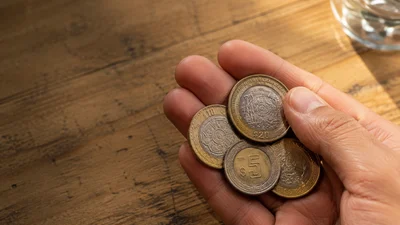
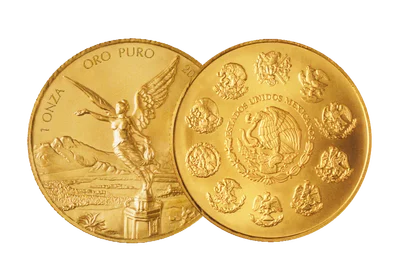
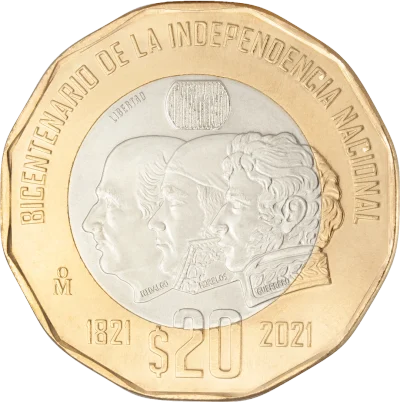
If you also inherited coins alongside the banknotes, the same logic applies to metal, and the numbers can be even bigger. See our guide to the most valuable Mexican coins for the pieces that actually command record prices and how to tell them from the common ones.
Have a banknote you think might be one of the rare ones? Post clear photos of the front, the back, and the serial number in the Pesoteca forum and we will help you figure out whether it is a face-value bill or something worth grading.
Loading comments…