
8 Escudos Carlos II 1697: Gold Cob Value
The 8 Escudos Carlos II 1697: Gold Cob Value is worth between $51,594 and $86,894 MXN depending on its grade of preservation.
Prices updated: August 2026
Mexico City Mint
Mexico City Mint
The 8 Escudos Carlos II 1697: Gold Cob Value is worth between $51,594 and $86,894 MXN depending on its grade of preservation.
Prices updated: August 2026
How much is the 8 Escudos Carlos II 1697: Gold Cob Value worth?
The estimated value of the 8 Escudos Carlos II 1697: Gold Cob Value ranges from $51,594 (circulated, XF) up to $86,894 (official blister pack), with $74,058 as a reference for an uncirculated (UNC) piece. The estimate is based on the official mintage and the historical behavior of the family.
The real price depends on four factors: the grade of preservation (a circulated piece is worth the low end of the range; an uncirculated one, or one still in its official blister pack, the high end), the finish (satin vs mirror/proof), the rarity within the series based on the mintage, and the metal spot price on the day of the deal when the piece is silver or gold. Check the value-by-grade table above and compare with equivalent pieces before buying or selling.
Where to buy or sell this coin?
Browse the national directory of numismatic shops or the community forum to trade directly with other collectors.
Description
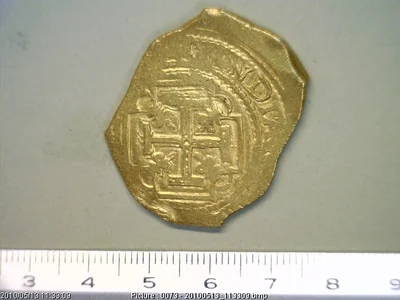
If you inherited or found a heavy gold coin dated 1697 with the name CAROLVS on it, you may be holding one of the most valuable pieces the colonial Spanish mint ever produced. A genuine 8 Escudos of Carlos II struck in Mexico is worth well into the thousands of dollars, and top examples cross into five figures. But fakes and modern copies of this exact coin are everywhere, so verifying it comes first.
This is not a common pocket coin. The 8 Escudos was the largest gold denomination of the Spanish colonial system, popularly called an "onza." It is the coin the world knows as the "doubloon." A 1697-dated Mexico piece of Carlos II (Charles II of Spain) sits at the top of the colonial gold food chain.
What you actually have
- Coin: 8 Escudos (eight escudos), colonial Spanish gold
- Ruler: Carlos II (Charles II)
- Date: 1697
- Mint: Mexico City (the main silver and gold mint of the Spanish Empire)
- Assayer initial: L (the official who certified the metal's fineness)
- Metal: Gold
- Weight: 27.13 g
- Diameter: 37 mm
- Edge: plain, no lettering
- Catalog reference: KM#56
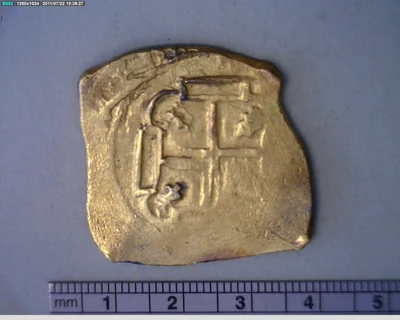
Most 1697 Mexico 8 Escudos are "cobs," hand-struck gold blanks that are often irregular, off-round, and unevenly struck. That crude look is normal and correct for the period. A perfectly round, machine-sharp example dated 1697 should raise your suspicion immediately.
What it is worth in 2026
Value on this coin swings hard based on three things: whether it is genuine, how much of the design and date is visible, and grade. Even a low-grade genuine piece carries a strong floor because of the gold content alone. At 27.13 g of gold, the metal value by itself runs into the low thousands of dollars, and collectors pay a premium far above melt for a real one with a legible date and mint.
| Condition / type | Approximate value (USD) |
|---|---|
| Genuine, worn, date barely legible | 2,500 to 5,000 |
| Genuine, clear date and full legends | 5,000 to 12,000 |
| High grade, well-struck, certified | 15,000 and up |
| Modern copy or restrike | metal value only or near zero |
These are working ranges, not fixed quotes. Colonial gold cobs are sold individually, and two coins of the "same" date can bring very different prices depending on strike quality and how much of the design survived. The 1697 date being clearly readable is a real value driver, since worn cobs frequently lose their dates entirely.
Shipwreck-provenance 8 Escudos (coins recovered from documented wrecks) can command large premiums when they come with certification. If your coin has any paperwork or a plastic holder from NGC or PCGS, do not remove it, that documentation is part of the value.
The myth to kill first
"It's from 1697, so it must be worth a fortune." Age alone means nothing here. What makes this coin valuable is the gold content plus genuine colonial cob authenticity, not the year printed on it. And that same reputation is exactly why this coin is faked more than almost any other Mexican piece. Cast copies, gold-plated fakes, and outright fantasy pieces circulate constantly. A "1697 8 Escudos" bought cheap online is almost always not real.
How to tell if yours is genuine
Start with the physical measurements, since they are the easiest thing a fake gets wrong:
- Weigh it. A jeweler's scale should read close to 27.13 g. A light coin is a warning sign.
- Measure the diameter. About 37 mm with calipers, though cobs are irregular and not perfectly round.
- Check the metal. Real gold has a specific density; plated base metal fakes weigh wrong and often show wear-through at high points.
- Study the strike. Genuine cobs show hand-hammered, uneven relief. Cast fakes look soft, grainy, or have a seam on the edge.
- Look for the mint and assayer. The Mexico mint mark and the assayer initial L should be present and consistent with known dies.
Be deeply skeptical of any offer priced below the gold value. Nobody sells real colonial gold for less than melt. That is a scam signature.
For a coin at this value, the smart move is third-party authentication. Sending it to a grading service like NGC or PCGS gives you a certified, encapsulated coin that is far easier and safer to sell.
Where to sell it
Because this is a high-value precious-metal coin, do not hand it to the first buyer on social media. Your safer options:
- A verified numismatic dealer from the Pesoteca directory, who can appraise it in person.
- The Pesoteca buy-and-sell forum, where collectors who actually understand colonial gold will engage.
- A major auction house for high-grade or certified examples, where colonial 8 Escudos regularly reach their strongest prices.
Photograph the front (obverse), back (reverse), and edge in good light before doing anything. Compare the weight and diameter against the specs above, and never let the coin leave your hands until payment clears if you sell privately.
If you want to understand the wider family of these coins, see our guides on colonial Mexican coinage and Mexican gold coins. Not sure what you have? Post clear photos in the Pesoteca forum and let collectors help you identify it before you sell.
Have a heavy gold coin dated in the 1600s sitting in a drawer? Share photos of both sides in the forum, the community can tell you fast whether it is a real onza or a copy.
Value range of this piece
Market estimate: $51,594 - $86,894 MXN depending on the grade of preservation (typical range between a circulated and an uncirculated piece).
See the full breakdown by grade (VG, F, VF, EF, AU, MS-60, MS-63, MS-65) for the whole series →
Same denomination, other years
8 escudos Oro 0.875 (21k) · 8 Escudos Carlos II
Frequently asked questions
How much is an 8 Escudos Carlos II 1697 worth?
A genuine 1697 Mexico 8 Escudos in gold typically ranges from about 2,500 USD for a worn example with a barely legible date to 12,000 USD or more with clear legends. High-grade certified pieces can exceed 15,000 USD. The 27.13 g of gold sets a strong floor, so a real one is never cheap.
Is the 8 Escudos Carlos II 1697 rare?
Yes. It is the largest gold denomination of the Spanish colonial system (the coin known as a doubloon), struck by hand at the Mexico City mint. Surviving genuine examples with a fully readable 1697 date are scarce and valuable. Worn cobs that have lost their date are worth far less than sharp, dated coins.
Where can I sell an 8 Escudos Carlos II 1697?
Use a verified numismatic dealer from the Pesoteca directory for an in-person appraisal, or the Pesoteca buy-and-sell forum among collectors. For high-grade or certified coins, a major auction house usually gets the best price. Photograph both sides and the edge, and never rush a private sale before payment clears.
How do I know if my 8 Escudos Carlos II 1697 is genuine?
Weigh it (should be near 27.13 g) and measure the diameter (about 37 mm) with a jeweler's scale and calipers, then compare to the specs above. Real cobs show hand-hammered, uneven relief; cast fakes look soft or have an edge seam. Any offer below the gold value is a scam sign. For a coin this valuable, get it certified by NGC or PCGS.
Conversation
0 comments
Loading comments…