
8 Escudos Carlos IV 1793: Gold Coin Value
The 8 Escudos Carlos IV 1793: Gold Coin Value is worth between $51,384 and $86,542 MXN depending on its grade of preservation.
Prices updated: August 2026
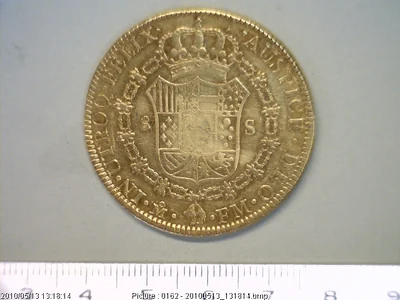
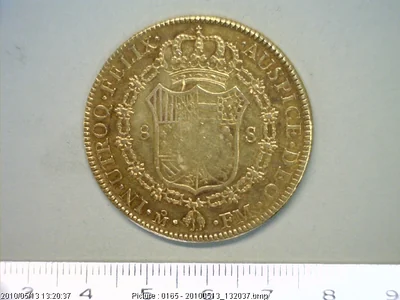
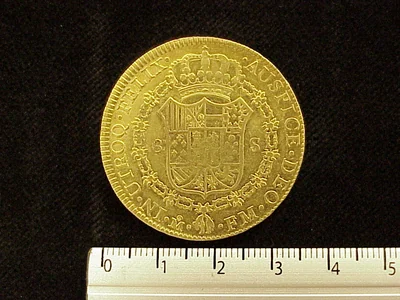
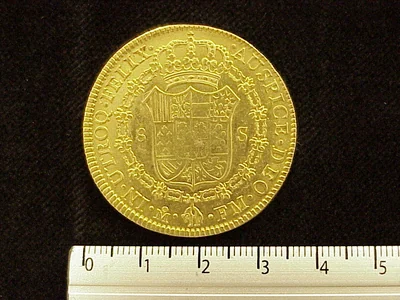
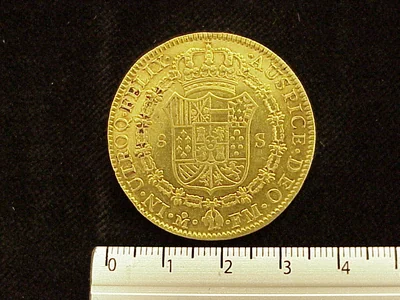
Third type; bust and Charles IIII legend.
Third type; bust and Charles IIII legend.
The 8 Escudos Carlos IV 1793: Gold Coin Value is worth between $51,384 and $86,542 MXN depending on its grade of preservation.
Prices updated: August 2026
How much is the 8 Escudos Carlos IV 1793: Gold Coin Value worth?
The estimated value of the 8 Escudos Carlos IV 1793: Gold Coin Value ranges from $51,384 (circulated, XF) up to $86,542 (official blister pack), with $73,757 as a reference for an uncirculated (UNC) piece. The estimate is based on the official mintage and the historical behavior of the family.
The real price depends on four factors: the grade of preservation (a circulated piece is worth the low end of the range; an uncirculated one, or one still in its official blister pack, the high end), the finish (satin vs mirror/proof), the rarity within the series based on the mintage, and the metal spot price on the day of the deal when the piece is silver or gold. Check the value-by-grade table above and compare with equivalent pieces before buying or selling.
Where to buy or sell this coin?
Browse the national directory of numismatic shops or the community forum to trade directly with other collectors.
Description
If you inherited an 1793 gold coin the size of a US half dollar with the profile of a king and the word CAROLUS, you have a Mexican 8 Escudos, and it is worth real money. Even the most worn example carries close to a full ounce of gold, so its floor value tracks the gold price (recently around USD 2,000 or more). Sharp, high-grade pieces sell for several thousand dollars.
What you actually have
This is an 8 Escudos gold coin struck in 2026 terms at the Mexico City Mint (the Casa de Moneda de México) during the reign of Charles IV of Spain. Colonial-era collectors call it an "onza" because it holds about one ounce of gold. It was the highest denomination in the Spanish colonial system, the closest thing to a gold bullion coin of its day.
The technical specs matter, because they are how you confirm it is genuine and how you calculate its metal value:
| Feature | Detail |
|---|---|
| Denomination | 8 Escudos (gold) |
| Year | 1793 |
| Mint | Mexico City |
| Assayer initials | FM |
| Weight | 27.02 g |
| Diameter | 36.52 mm |
| Edge | Diagonal reeding |
| Catalog reference | KM#159 |
| Type | Third type, bust and legend "CAROLUS IIII" |
The FM initials belong to the assayer, the official who certified the fineness of the metal. Colonial gold of this period runs about 0.875 fine (21 karat), which puts roughly 0.76 troy ounces of pure gold in each coin. That is your hard floor: no matter how worn, an authentic example is worth its gold content.
How much is it worth?
Think of the value in two layers.
Layer one, the metal floor. With about 0.76 oz of pure gold, the melt value moves with the gold market. At recent prices that is roughly USD 2,000 to 2,300. A damaged, holed, or heavily worn coin that a collector will not touch still holds this bullion value, and no honest buyer should offer you less than the gold is worth.
Layer two, the collector premium. A coin with clear detail, original surfaces, and no damage sells well above melt. Attractive circulated 8 Escudos of Charles IV routinely bring USD 2,500 to 4,000 at auction. Certified Mint State examples, or coins from scarcer year-mint-assayer combinations, can reach USD 5,000 and higher. The 1793 Mexico City date is one of the more available years, which keeps most examples in the low-to-mid range rather than the record tier.
For comparison, later Mexican gold like the gold Centenario (the 50 pesos struck from 1921) is a modern bullion coin with far higher mintages, so it trades much closer to pure melt. Colonial gold like your 8 Escudos carries an extra history premium a modern bullion piece cannot.
The myth to ignore
A 230-year-old gold coin sounds like it should be worth a fortune, and social media loves to inflate that. Reality: the value driver here is condition and authenticity, not just age. Many 1793 8 Escudos survive because people saved gold. Age alone adds only a modest premium over melt. What multiplies the price is a high grade with original luster, a scarce assayer variety, or a certified error, not the fact that it is old.
How to tell if yours is genuine
Counterfeits of colonial gold are common, because the metal alone makes forgery profitable. Check these before you buy or sell:
- Weigh it. Use a jeweler's scale. It should be very close to 27.02 g. A gold-plated fake weighs noticeably less.
- Measure it. Diameter should be 36.52 mm. Check the diagonal reeded edge; cast fakes often have soft or mushy edges.
- Study the engraving. Compare the bust of Charles IV, the mint mark, and the FM assayer initials against verified reference images. Fakes get the lettering style and spacing wrong.
- Be suspicious of any deal below melt. If someone offers you far less than the gold is worth, or pressures you to buy fast, walk away.
For a coin this valuable, professional certification (NGC or PCGS) is worth the fee. A slabbed, authenticated coin sells faster and for more, because the buyer is not gambling on a fake.
Where to sell it
Do not dump a gold coin on Facebook Marketplace at the first offer. Your safer options:
- A verified numismatic dealer from the Pesoteca directory, who can appraise it on the spot and pay you against the gold content plus any premium.
- The Pesoteca buy-and-sell forum, where collectors compete and you often get a better number than a quick dealer flip.
Whichever route you choose, photograph the obverse, reverse, and edge in good light, confirm the weight, and check the value range on this page before you agree to anything. For gold, only deal with a buyer who lets you verify the piece in hand before payment.
Have an 1793 8 Escudos and not sure if it is real or where to start? Post clear photos of both sides and the edge in the Pesoteca forum and let collectors weigh in before you sell.
Historical context
Eight escudos Carlos IV, 1793, Mexico City Mint. The record notes the third type with a bust and Carlos IIII legend. The year Spain entered the War of the Convention against revolutionary France after the execution of Louis XVI in January. The conflict militarized the Pyrenees frontier, and New Spain had to contribute financial resources to the crown by sending additional funds to the peninsula. In Mexico the government of the second Count of Revillagigedo was coming to an end; he would close his viceroyalty in July 1794. His tenure left demographic registers, urban police and sanitation regulations in Mexico City, and the consolidation of the Royal Mining Tribunal. The ounce weighs 27.06 grams with 0.875 fineness. Produced by mill press with a round planchet. The assayer's signature continues in the reverse field. Pieces from 1793 are testimony to the last phase of the enlightened New Spain cycle before the political decline of Carlos IV's reign under Godoy's dominant influence. The internal political transition coincided with the external diplomatic crisis against revolutionary France.
This piece belongs to the era
Colonial / Virreinato →Explore all the Mexican coins of this era, their historical context and how they connect to the monetary system of the period.
Value range of this piece
Market estimate: $51,384 - $86,542 MXN depending on the grade of preservation (typical range between a circulated and an uncirculated piece).
See the full breakdown by grade (VG, F, VF, EF, AU, MS-60, MS-63, MS-65) for the whole series →
Same denomination, other years
8 escudos Oro 0.875 (21k) · 8 Escudos Carlos IV
Frequently asked questions
How much is an 1793 Carlos IV 8 Escudos worth?
It holds about 0.76 troy ounces of gold, so its floor value tracks the gold price, recently around USD 2,000 to 2,300 even when worn. Attractive circulated examples sell for roughly USD 2,500 to 4,000, and certified Mint State or scarce varieties can top USD 5,000. Condition and authenticity drive the premium above melt.
Is the 1793 8 Escudos rare?
The 1793 Mexico City date is one of the more available years, so most examples fall in the low-to-mid price range rather than the record tier. Rarity here comes from grade: high-grade coins with original luster, scarce assayer varieties, or verified errors are the ones that command big premiums.
Where can I sell an 1793 8 Escudos?
Use a [verified dealer from the Pesoteca directory](/tiendas), who appraises it on the spot, or the [Pesoteca buy-and-sell forum](/foro/compra-venta) where collectors compete. Photograph the obverse, reverse, and edge, confirm the weight, and check this page's value range first. Because it is gold, only deal with a buyer who lets you verify the coin in hand before payment.
How do I tell if my 8 Escudos is genuine?
Weigh it (should be close to 27.02 g) and measure it (36.52 mm) with a jeweler's scale and caliper. Check the diagonal reeded edge, and compare the bust, mint mark, and FM assayer initials to verified reference images. Colonial gold is heavily counterfeited, so professional NGC or PCGS certification is worth the fee on a coin this valuable. Be suspicious of any offer well below the gold's melt value.
Conversation
0 comments
Loading comments…