
1751 Fernando VI 8 Escudos Gold Coin: Value & How to Sell
The 1751 Fernando VI 8 Escudos Gold Coin: Value & How to Sell is worth between $51,422 and $86,606 MXN depending on its grade of preservation.
Prices updated: August 2026
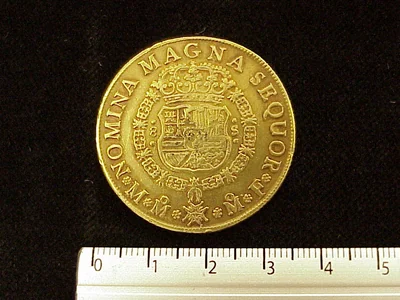
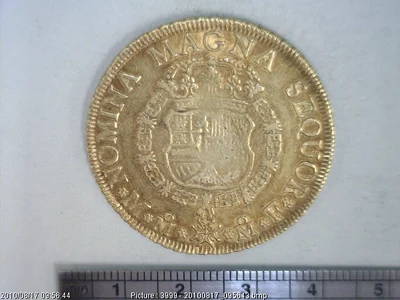
Irregular denticles.
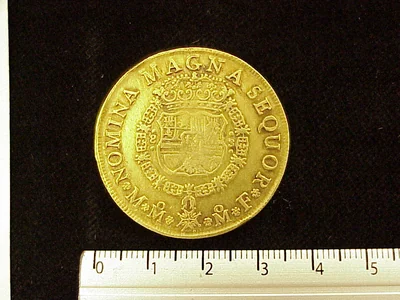
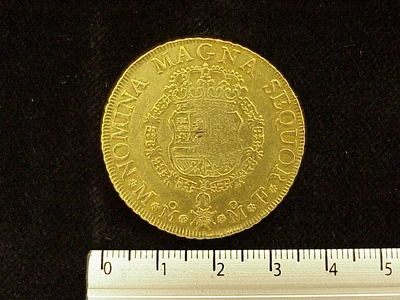
Irregular denticles.
The 1751 Fernando VI 8 Escudos Gold Coin: Value & How to Sell is worth between $51,422 and $86,606 MXN depending on its grade of preservation.
Prices updated: August 2026
How much is the 1751 Fernando VI 8 Escudos Gold Coin: Value & How to Sell worth?
The estimated value of the 1751 Fernando VI 8 Escudos Gold Coin: Value & How to Sell ranges from $51,422 (circulated, XF) up to $86,606 (official blister pack), with $73,812 as a reference for an uncirculated (UNC) piece. The estimate is based on the official mintage and the historical behavior of the family.
The real price depends on four factors: the grade of preservation (a circulated piece is worth the low end of the range; an uncirculated one, or one still in its official blister pack, the high end), the finish (satin vs mirror/proof), the rarity within the series based on the mintage, and the metal spot price on the day of the deal when the piece is silver or gold. Check the value-by-grade table above and compare with equivalent pieces before buying or selling.
Where to buy or sell this coin?
Browse the national directory of numismatic shops or the community forum to trade directly with other collectors.
Description
If you have a 1751 Fernando VI 8 Escudos, you are holding one of the more valuable Spanish colonial gold coins, not a common find. Even a worn example carries roughly 0.76 troy ounces of gold, giving it a hard floor in the low thousands of USD, and clean, sharp pieces sell far above that. Here is what it actually is, what it is worth, and how to move it without getting shorted.
What you actually have
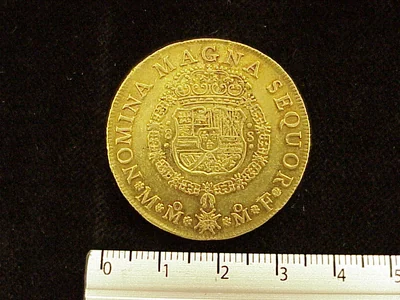
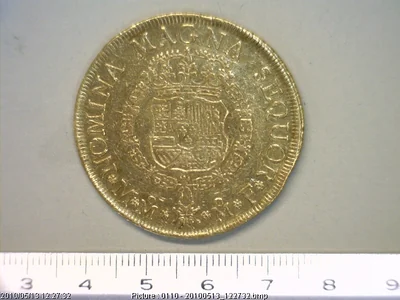
The 8 Escudos was the largest gold denomination in the Spanish monetary system of the 1700s. Collectors call it an onza (Spanish for "ounce"). Yours was struck at the Mexico City Mint (Casa de Moneda de México) during the reign of Fernando VI, king of Spain from 1746 to 1759.
Specifications, unchanged and worth verifying against your own coin:
- Weight: 27.04 grams
- Diameter: 36 mm
- Metal: gold (0.917 fine for the pillar-type 8 Escudos of this period)
- Actual gold content: roughly 0.76 troy ounces
- Edge: diagonal reeding, a hallmark of the columnario (pillar-type) gold coinage under this king
That gold content is the key number. At current bullion prices, the metal alone is worth well over 2,000 USD. No genuine, undamaged 1751 8 Escudos is "worth just a few dollars." The metal sets a floor, and rarity and condition build from there.
What it's worth in 2026
Value for this coin runs on four things: gold content (the floor), authenticity, grade, and eye appeal. The Mexico City Mint was one of the most productive in the Spanish empire, so this is not a unique piece, but demand from colonial gold collectors is steady and the survivors in high grade are scarce.
A realistic range, assuming a genuine coin with no jewelry mounting, no harsh cleaning, and no repairs:
| Condition | What it looks like | Approx. value (USD) |
|---|---|---|
| Damaged / mounted / cleaned | ex-jewelry, scratched, polished | 2,000 to 2,800 (near melt) |
| Circulated (VF) | honest wear, full design readable | 3,000 to 5,500 |
| Choice (XF/AU) | sharp strike, minor wear | 6,000 to 12,000 |
| Mint State (certified) | original surfaces, strong detail | 15,000 and up |
These are guide ranges for the type, not a fixed quote on your exact coin. The single biggest swing factor is whether it has been cleaned or mounted. A polished 8 Escudos loses its collector premium and trades close to melt, so if yours has a bright, unnaturally shiny surface, expect the lower end.
Grade and originality drive the number
A colonial gold coin with original surfaces and a clean strike commands the top prices in this segment. Two 1751 8 Escudos of the same date can differ by thousands of dollars based on strike sharpness and whether the surfaces were ever touched. Do not clean it. A gentle wipe with a cloth can knock a coin down a full grade tier and cost you real money.
For context on how grading shifts colonial gold prices, our overview of Mexican colonial coins explains the terms used at auction. If you also inherited silver from this era, the pillar coinage is covered in our page on Spanish colonial 8 Reales.
How to tell if it's genuine
Forgeries of high-value colonial gold are common, so verify before you celebrate or before you pay.
- Weigh it. Use a jewelry scale. It should read close to 27.04 grams. A meaningful shortfall points to a fake or a worn/plated piece.
- Measure the diameter. It should be about 36 mm.
- Check the edge. Genuine pieces show diagonal reeding. A plain or smooth edge is a red flag.
- Look at the engraving, mint mark, and assayer initials. Colonial dies have a specific style. Sloppy or soft lettering suggests a cast copy.
- Be suspicious of any offer far below the gold value. A "deal" on an 8 Escudos is almost always a counterfeit.
If weight and diameter check out but you want certainty before selling, have it authenticated by a grading service (NGC or PCGS). A certified coin sells faster and higher, and it removes the buyer's doubt.
About "error" coins
Genuine mint errors (off-center strikes, die rotation, double strikes) can multiply value on colonial coins. But most "errors" people spot are post-mint damage: dings, corrosion, tooling. That damage lowers value, it does not raise it. If you think you have a true error, post clear photos to the Pesoteca forum and let collectors weigh in before you assume it's rare.
Where to sell it (and where not to)
Because this is precious metal, sell where the coin is examined in person and weighed in front of you.
- A verified numismatic dealer from the Pesoteca shop directory will appraise it on the spot and quote against both grade and gold content.
- The Pesoteca buy/sell forum connects you directly with colonial collectors, who often pay more than a dealer for the right piece.
- Photograph the obverse, reverse, and edge before you talk to anyone.
- Avoid dumping it to the first Facebook offer, and avoid any "cash for gold" counter that only pays melt. You would be giving away the collector premium.
Have a 1751 8 Escudos and not sure which grade tier it falls in? Post your photos in the Pesoteca forum and the community will help you place it before you sell.
Historical context
Eight escudos, Fernando VI, 1751, Mexico mint. The entry describes the piece as having an irregular border, a sign of a striking defect on the inner rim of the die. The year work began on the Royal Palace of Aranjuez, ordered by Fernando VI for his wife Bárbara de Braganza. On the peninsula, Ensenada consolidated the policy of proportional fiscal reform and organized the Royal Squadron at Cartagena and Ferrol. In New Spain the Count of Revillagigedo continued as viceroy in his fifth year of government with centralized administration and a strengthening of the maritime mail. The ounce weighs 27.06 grams with the 0.916 fineness typical of the Fernando VI pillar type. Milled with a round planchet. The pillar reverse kept the crowned Hercules and PLVS VLTRA design. The irregular border declared in the entry makes this piece a collectible technical variant. That year the New Spain fleet arrived at Cádiz with funds accumulated from logistical interruptions of prior seasons, a shipment that helped stabilize the peninsular finances. The obverse kept the crowned royal shield with the legend FERDIN VI DEI GRATIA.
This piece belongs to the era
Colonial / Virreinato →Explore all the Mexican coins of this era, their historical context and how they connect to the monetary system of the period.
Value range of this piece
Market estimate: $51,422 - $86,606 MXN depending on the grade of preservation (typical range between a circulated and an uncirculated piece).
See the full breakdown by grade (VG, F, VF, EF, AU, MS-60, MS-63, MS-65) for the whole series →
Same denomination, other years
8 escudos Oro 0.875 (21k) · 8 Escudos Fernando VI
Frequently asked questions
How much is a 1751 Fernando VI 8 Escudos worth?
It depends on condition. The coin holds about 0.76 troy ounces of gold, so even a damaged or mounted example is worth near its melt value, currently over 2,000 USD. A genuine circulated coin runs roughly 3,000 to 5,500 USD, sharp XF/AU pieces reach 6,000 to 12,000 USD, and certified Mint State examples can exceed 15,000 USD. Cleaning or a jewelry mount pushes it toward the low end.
Is the 1751 8 Escudos rare?
It is scarce but not unique. The Mexico City Mint was highly productive under Fernando VI, so a fair number were struck. What is genuinely rare is finding one in high grade with original, uncleaned surfaces. Those top-tier examples are what command the highest prices among colonial gold collectors.
Where can I sell a 1751 8 Escudos gold coin?
Sell where the coin is examined and weighed in front of you. A verified dealer from the Pesoteca shop directory will appraise and quote on the spot, or you can reach collectors directly through the Pesoteca buy/sell forum, who often pay more for the right piece. Photograph the obverse, reverse, and edge first, and avoid selling to a generic cash-for-gold buyer who only pays melt.
How do I tell if my 1751 8 Escudos is genuine?
Weigh it (should be close to 27.04 grams) and measure it (about 36 mm) with a jewelry scale and caliper. Check the edge for diagonal reeding and look at the engraving, mint mark, and assayer initials for the correct colonial style. Counterfeits are common, so be suspicious of any offer far below the gold value. For certainty, have it authenticated by NGC or PCGS before selling.
Conversation
0 comments
Loading comments…