
1691 Mexico 4 Reales, Carlos II: Value & How to Sell
The 1691 Mexico 4 Reales, Carlos II: Value & How to Sell is worth between $369 and $2,333 MXN depending on its grade of preservation.
Prices updated: August 2026
Viceroyalty · Mexico City Mint · Assayer L
Viceroyalty · Mexico City Mint · Assayer L
The 1691 Mexico 4 Reales, Carlos II: Value & How to Sell is worth between $369 and $2,333 MXN depending on its grade of preservation.
Prices updated: August 2026
How much is the 1691 Mexico 4 Reales, Carlos II: Value & How to Sell worth?
The estimated value of the 1691 Mexico 4 Reales, Carlos II: Value & How to Sell ranges from $369 (circulated, XF) up to $2,333 (official blister pack), with $1,619 as a reference for an uncirculated (UNC) piece. The estimate is based on the official mintage and the historical behavior of the family.
The real price depends on four factors: the grade of preservation (a circulated piece is worth the low end of the range; an uncirculated one, or one still in its official blister pack, the high end), the finish (satin vs mirror/proof), the rarity within the series based on the mintage, and the metal spot price on the day of the deal when the piece is silver or gold. Check the value-by-grade table above and compare with equivalent pieces before buying or selling.
Where to buy or sell this coin?
Browse the national directory of numismatic shops or the community forum to trade directly with other collectors.
Description
If you inherited or found a 1691 Mexican 4 Reales of Carlos II, here is the honest answer first: a worn, genuine example typically brings a few hundred dollars, while a sharp, certified piece can reach well into the thousands. This is real colonial silver from the Mexico City mint, more than 330 years old, and that history is what puts a floor under its value.
This is not a coin worth "millions." Ignore the clickbait. But it is one of the older, more collectible Spanish colonial coins you can hold, and a legitimate one is genuinely worth money. Let's break down what drives the price.
What you actually have
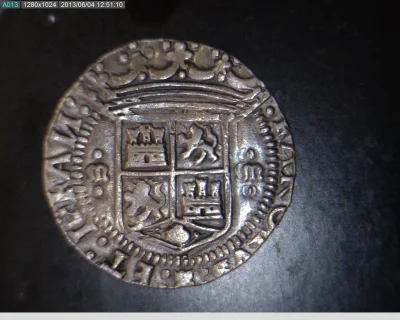
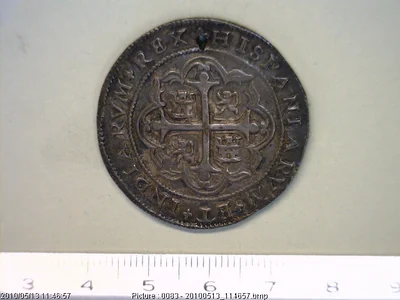
The 4 Reales was a large silver denomination minted in Mexico City (the "Mexico mint" or Ceca México) while it was part of the Spanish Viceroyalty. "Reales" was the Spanish colonial currency unit; a 4 Reales is half of the famous 8 Reales "piece of eight." This one carries the name of King Carlos II of Spain and the assayer mark L (the ensayador, the official who guaranteed the silver content).
Specifications, which matter for authentication:
- Metal: silver, .900 fine (90% silver)
- Weight: 13.42 grams
- Diameter: 40 millimeters
- Edge: plain (unmilled)
- Date: 1691, Mexico City mint
Because it is 90% silver, this coin has a hard floor: its melt value. Even the most worn example is never worth less than the silver in it. Everything above that floor is collector value, driven by how well it survived and how sharp the details are.
What a 1691 4 Reales is worth
Colonial silver from this era was struck by hand, so pieces vary wildly in centering, strike quality, and wear. That, plus grade, is what moves the price far more than the date alone.
| Condition | What it looks like | Typical value (USD) |
|---|---|---|
| Heavily worn / damaged | Design faint, corrosion or holes | 80 to 200 |
| Circulated, honest wear | Design readable, no major damage | 200 to 600 |
| High grade, sharp detail | Full design, good silver surfaces | 700 to 2,000 |
| Certified NGC/PCGS, top grade | Slabbed, exceptional for the type | 2,000 to 6,000+ |
These are working ranges for the type. Auction results for well-preserved Carlos II colonial silver regularly land in the four-figure range at houses like Heritage Auctions and Stack's Bowers, while common circulated pieces sell for a few hundred. If yours is a genuine, problem-free coin with clear design, you are realistically looking at the low-to-middle of these ranges.
Why the mintage is a question mark
No official mintage figure is documented for this specific issue, which is normal for 17th-century colonial coinage. Record-keeping from that era is incomplete, and survivors, not original output, drive scarcity. What matters to a buyer is how many exist today in collectible condition, and for early Carlos II 4 Reales, high-grade survivors are genuinely scarce. That scarcity is what pushes the best examples toward the top of the range.
How to tell if yours is genuine
Counterfeits of Spanish colonial silver exist, so check these before you get excited:
- Weight. A real one weighs 13.42 grams. Use a jeweler's scale. Off by more than a few tenths of a gram? Be suspicious.
- Diameter. 40 millimeters. Cast fakes are often slightly off in size or thickness.
- Edge. Plain, unmilled edge on the genuine piece. A seam line running around the edge signals a cast counterfeit.
- The ring test. Genuine .900 silver rings with a clear, sustained high tone when balanced on a fingertip and tapped. Fakes tend to sound dull and short.
- Surfaces. Hand-struck colonial coins show honest, irregular strike character. A too-perfect, soft, or grainy surface can indicate a modern cast copy.
If the coin might be worth real money, the definitive answer is professional certification. NGC and PCGS grade and authenticate, seal the coin in a tamper-evident holder, and that slab is what serious buyers trust. For a piece potentially worth over 1,000 dollars, the grading fee pays for itself. See our coin grading guide to estimate your grade first.
Where to sell it
You have a few solid options, ranked by how much control and price you get:
- Certified auction (best for high grade). If your coin is sharp or already slabbed, consign to Heritage or Stack's Bowers, where Spanish colonial silver has a strong bidder base.
- Verified coin dealers. Use the Pesoteca dealer directory to find a reputable numismatic shop that will appraise it on the spot. Expect a dealer to pay a bit under retail since they resell, but you get a fast, safe transaction.
- Collector marketplace. The Pesoteca buy-and-sell forum connects you directly with collectors of Mexican and colonial coinage, often at better prices than a quick sale.
Before selling anywhere, photograph the obverse, reverse, and edge in good light, and weigh the coin. For a precious-metal piece, only deal with buyers who will let you verify weight and authenticity before payment. Avoid dumping it on a general classifieds site for the first offer.
This coin belongs to our broader Colonial Reales series (1/2 to 4 Reales), from the Viceroyalty era. If you have other old Mexican or colonial pieces from the same box, they may be worth checking too.
Got a 1691 4 Reales in hand and not sure if it is real or what grade it is? Post clear photos of both sides and the edge on the Pesoteca forum and let collectors who handle these coins weigh in before you sell.
Historical context
This piece was struck in 1691 under Charles II of Spain (1665-1700). That year New Spain was governed by viceroy Gaspar de Sandoval, Count of Galve, and frosts and poor harvests were recorded that anticipated the 1692 riots in the Main Square of Mexico City.
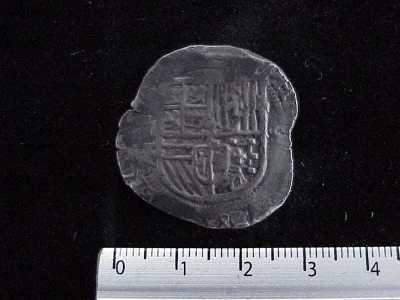
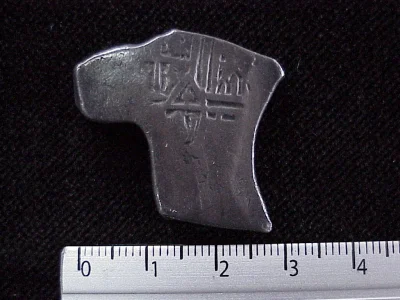
The numismatic type is cob (macuquina), with planchets cut with shears and struck by hammer. The 4 reales denomination theoretically weighed 13.54 grams at 0.9028 (early) / 0.903 (late) silver fineness. The 4 reales, or half peso, was a coin of regional commerce: buying small livestock, paying for short hauls, and rents in the towns and villages of the viceroyalty.
The L signature identifies the assayer active at the Mexico City mint during the period, a Royal Treasury official charged with certifying that the silver fineness met the viceregal standard.
In the numismatic market, Charles II cobs are hunted by collectors of the late Habsburgs. When buying peer-to-peer, it's worth checking the edge, looking for a legible cross and shield, and comparing prices against public references before accepting a middleman's premium.
This piece belongs to the era
Colonial / Virreinato →Explore all the Mexican coins of this era, their historical context and how they connect to the monetary system of the period.
Value range of this piece
Market estimate: $369 - $2,333 MXN depending on the grade of preservation (typical range between a circulated and an uncirculated piece).
See the full breakdown by grade (VG, F, VF, EF, AU, MS-60, MS-63, MS-65) for the whole series →
Same denomination, other years
4 reales Plata 0.900 · Reales Coloniales (1/2 a 4 reales)
Frequently asked questions
How much is a 1691 Carlos II 4 Reales worth?
It depends heavily on condition. A genuine but heavily worn example runs roughly 80 to 200 USD, an honestly circulated piece 200 to 600 USD, and a sharp, certified high-grade coin can reach 2,000 to 6,000 USD or more at major auctions. As real .900 silver, it never falls below its melt value. For a precise figure, have your specific coin appraised or certified.
Is the 1691 4 Reales rare?
No official mintage figure survives from the era, which is normal for 17th-century colonial coinage. What matters is how many exist today in collectible condition, and high-grade survivors of early Carlos II 4 Reales are genuinely scarce. Common worn examples turn up more often and sell for a few hundred dollars; well-preserved ones are the ones that command real premiums.
How can I tell if my 1691 4 Reales is genuine?
A real one weighs 13.42 grams, measures 40 millimeters, and has a plain, unmilled edge with no cast seam. Genuine .900 silver rings with a clear, sustained high tone when tapped; fakes sound dull. For a coin that may be worth over 1,000 dollars, professional certification by NGC or PCGS is the definitive check and the slab is what serious buyers trust.
Where can I sell a 1691 4 Reales?
For a sharp or certified coin, consign to a major auction house like Heritage or Stack's Bowers, where Spanish colonial silver draws strong bidding. For a fast sale, use the Pesoteca dealer directory to find a reputable shop that appraises on the spot, or list it on the Pesoteca collector forum. Always photograph both sides and the edge and only deal with buyers who let you verify weight before payment.
Conversation
0 comments
Sources
Images for informational and educational purposes, attributed to their original source. Reference values; the real price depends on the grade, the specific variant and demand.
Loading comments…