
8 Reales Luis I 1725: Value, Rarity & How to Sell
The 8 Reales Luis I 1725: Value, Rarity & How to Sell is worth between $741 and $3,121 MXN depending on its grade of preservation.
Prices updated: August 2026
Viceroyalty · Mexico City Mint · Assayer D
Viceroyalty · Mexico City Mint · Assayer D
The 8 Reales Luis I 1725: Value, Rarity & How to Sell is worth between $741 and $3,121 MXN depending on its grade of preservation.
Prices updated: August 2026
How much is the 8 Reales Luis I 1725: Value, Rarity & How to Sell worth?
The estimated value of the 8 Reales Luis I 1725: Value, Rarity & How to Sell ranges from $741 (circulated, XF) up to $3,121 (official blister pack), with $2,256 as a reference for an uncirculated (UNC) piece. The estimate is based on the official mintage and the historical behavior of the family.
The real price depends on four factors: the grade of preservation (a circulated piece is worth the low end of the range; an uncirculated one, or one still in its official blister pack, the high end), the finish (satin vs mirror/proof), the rarity within the series based on the mintage, and the metal spot price on the day of the deal when the piece is silver or gold. Check the value-by-grade table above and compare with equivalent pieces before buying or selling.
Where to buy or sell this coin?
Browse the national directory of numismatic shops or the community forum to trade directly with other collectors.
Description
If you inherited a Spanish colonial silver coin dated 1725 with the name Luis I, you have a genuine piece of history from the Mexico City mint, and one tied to one of the shortest reigns in Spanish history. Value ranges widely: well-worn examples trade in the low hundreds of dollars, while high-grade certified pieces can reach several thousand. Here is what actually drives that number, and how to check yours.
What you actually have
The 8 Reales was the workhorse silver coin of colonial Spanish America, the coin that became the model for the US dollar (the famous "pieces of eight"). Your specific piece was struck at the Casa de Moneda de México (the Mexico City mint) in 1725, under King Luis I.
That name is the interesting part. Luis I reigned for only about seven months in 1724 before dying of smallpox at age 17, which makes any coinage bearing his name from a short window. Coins dated 1725 under his authority are scarce for that reason alone.
Core specifications, verify yours against these:
- Metal: silver, .900 fine (90% silver)
- Weight: 26.93 grams
- Diameter: 40 mm
- Edge: plain (uncut)
- Mint: Mexico City
- Assayer: D
- Era: Spanish colonial (Virreinato)
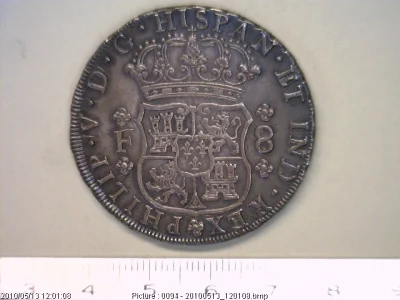
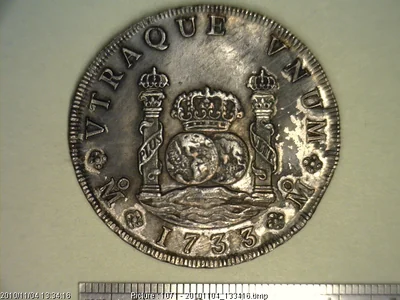
If your coin does not match the weight and diameter closely, treat it as suspect. Cast fakes of colonial silver are common and usually fail on weight, diameter, or edge detail.
What it is worth in 2026
Value for early colonial silver depends on four things: authenticity, grade, whether it is a hand-struck cob or a milled (machine-pressed) piece, and current demand for Spanish colonial coinage, which has been strong.
| Condition | Approximate value (USD) |
|---|---|
| Heavily worn / damaged | 100 to 300 |
| Circulated, clear detail | 300 to 900 |
| High grade, sharp strike | 1,000 to 3,000 |
| Certified Mint State (NGC/PCGS) | 3,000 and up |
These are ranges, not guarantees. A coin with an early date, a rare assayer, or a top certified grade can far exceed the top of this table at auction. Early-reign colonial 8 Reales in Mint State are exactly the kind of piece that draws competitive bidding at Heritage and Stack's Bowers sales.
Because it is .900 silver, your coin also has a floor. At 26.93 grams of 90% silver, the melt value is roughly 0.78 troy ounces of pure silver. Whatever silver spot is on the day you sell, that is the absolute minimum a genuine piece is worth. For a coin this old and this scarce, though, the collector value is almost always well above melt, so never sell one for scrap.
The rarity question, honestly
Exact mintage figures for individual colonial dies from 1725 are not cleanly documented. What matters more for value is survivors: how many exist today in each grade. For Luis I coinage, survivors are limited because the coinage window was short. That short window is the reason a collector pays a premium over a comparable coin from a long, common reign.
Watch for die varieties (letter placement, minor spacing differences). These exist and can matter, but only certified graders like NGC or PCGS reliably distinguish them. For a casual seller, do not assume a variety premium unless a professional confirms it.
How to tell if yours is genuine
- Weigh it. A digital scale should read close to 26.93 grams. Fakes often come in light or heavy.
- Measure it. 40 mm diameter. Off by more than a millimeter is a red flag.
- Check the edge. This issue has a plain, uncut edge. Study high-resolution reference images of authentic examples.
- The ping test. Real silver rings with a clear, sustained high tone when balanced on a fingertip and lightly tapped. Base-metal fakes sound dull and short.
- Get it certified. For anything you believe is worth more than a few hundred dollars, third-party grading from NGC or PCGS is the definitive answer. It confirms authenticity, assigns a grade, and roughly doubles the ease of selling.
Before doing anything, review the condition ranges above and read our coin condition grading guide so you can describe your piece accurately. It also helps to understand the broader colonial 8 Reales series, which sets the market context for pricing.
Where to sell it
For a genuine colonial silver 8 Reales, sell where buyers know what they are looking at:
- Certified auction houses. For high-grade or certified pieces, major numismatic auctions (Heritage, Stack's Bowers) reach serious colonial collectors and get the best hammer prices.
- Verified dealers. A verified numismatic dealer from the Pesoteca directory can appraise and buy on the spot, no middleman markup.
- Collector marketplace. The Pesoteca buy-and-sell forum connects you directly with collectors who value the coin correctly.
Before you sell, photograph the obverse, reverse, and edge in good light, and check your grade against the ranges here. Avoid dumping a colonial silver coin to the first buyer on a general marketplace, that is where genuine pieces get bought under value.
Not sure whether your 1725 piece is genuine or which grade it falls into? Post clear photos of both sides and the edge in the Pesoteca forum and let collectors who handle colonial silver weigh in before you sell.
Historical context
This piece belongs to the reign of Luis I of Spain (January to August 1724). Son of Felipe V. He reigned barely seven months in 1724 before dying of smallpox. His father Felipe V retook the throne that same year.
The government of New Spain in 1725 was in the hands of Juan de Acuña, Marquis of Casafuerte, who was launching reforms in defense and finance.
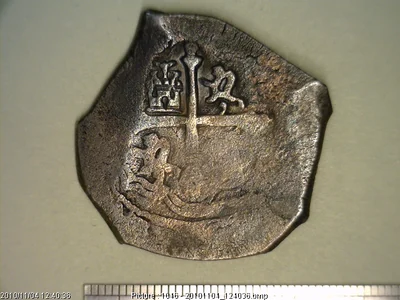
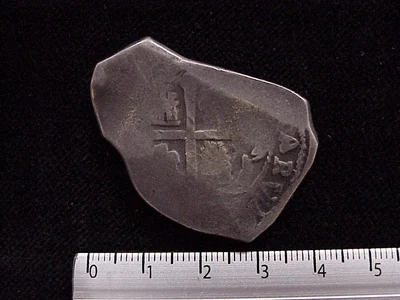
The numismatic type of the piece is the cob (macuquina), also called hammer-struck coinage. The planchets were clipped with shears from a silver bar and struck between hand-held dies, so no cob has an edge or a perfectly circular shape. It circulated as the benchmark trade coin throughout the Atlantic for more than two centuries.
The Mexico Mint had been striking cobs almost without interruption since the sixteenth century. The final years before the pillar (columnario) reform of 1732 saw an increase in the volume of registered silver, driven by European demand and by the mines of Zacatecas and Guanajuato. The assayer's initials declared on the piece are D, the official of the Royal Treasury charged with certifying the silver fineness (0.930 and later 0.903) under the viceregal standard.
The Krause catalog references this piece under KM#49, useful for matching the listing against international auction records.
A year after the very brief episode of Luis I, with Felipe V once again on the throne.
This piece belongs to the era
Colonial / Virreinato →Explore all the Mexican coins of this era, their historical context and how they connect to the monetary system of the period.
Value range of this piece
Market estimate: $741 - $3,121 MXN depending on the grade of preservation (typical range between a circulated and an uncirculated piece).
See the full breakdown by grade (VG, F, VF, EF, AU, MS-60, MS-63, MS-65) for the whole series →
Same denomination, other years
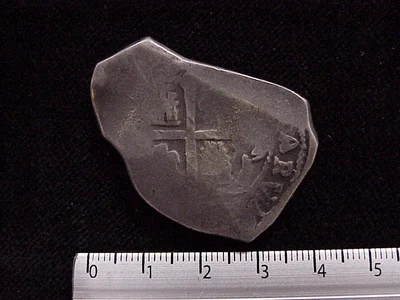
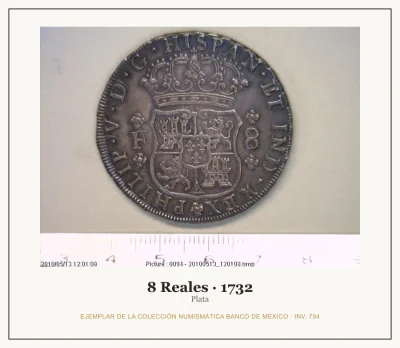
8 reales Plata 0.900 · 8 Reales Coloniales
Frequently asked questions
How much is an 8 Reales Luis I 1725 worth?
It depends heavily on authenticity and grade. Heavily worn examples run about 100 to 300 USD, clean circulated pieces 300 to 900 USD, and high-grade or certified Mint State coins can reach 3,000 USD and up at auction. Because it is .900 silver, it also carries a melt floor of roughly 0.78 troy ounces of pure silver, but genuine colonial pieces almost always sell well above melt.
Is the 8 Reales Luis I 1725 rare?
Yes, relatively. Luis I reigned only about seven months in 1724 before dying young, so coinage bearing his name comes from a very short window and survivors are limited. Exact mintage figures for individual 1725 dies are not cleanly documented, but the short coinage period is why collectors pay a premium over common long-reign issues.
How can I tell if my 8 Reales Luis I 1725 is genuine?
Weigh it (should be close to 26.93 grams) and measure it (40 mm diameter). Real silver rings with a clear, sustained tone when lightly tapped, while base-metal fakes sound dull. The edge should be plain and uncut. For any piece you believe is worth more than a few hundred dollars, certification by NGC or PCGS is the definitive confirmation of authenticity and grade.
Where can I sell an 8 Reales Luis I 1725?
For high-grade or certified pieces, a major numismatic auction house (Heritage, Stack's Bowers) reaches serious colonial collectors. Otherwise, use a verified dealer from the Pesoteca directory for an on-the-spot appraisal, or the Pesoteca buy-and-sell forum to reach collectors directly. Always photograph the obverse, reverse, and edge, and never sell colonial silver to the first casual buyer for scrap value.
Conversation
0 comments
Sources
Images for informational and educational purposes, attributed to their original source. Reference values; the real price depends on the grade, the specific variant and demand.
Loading comments…